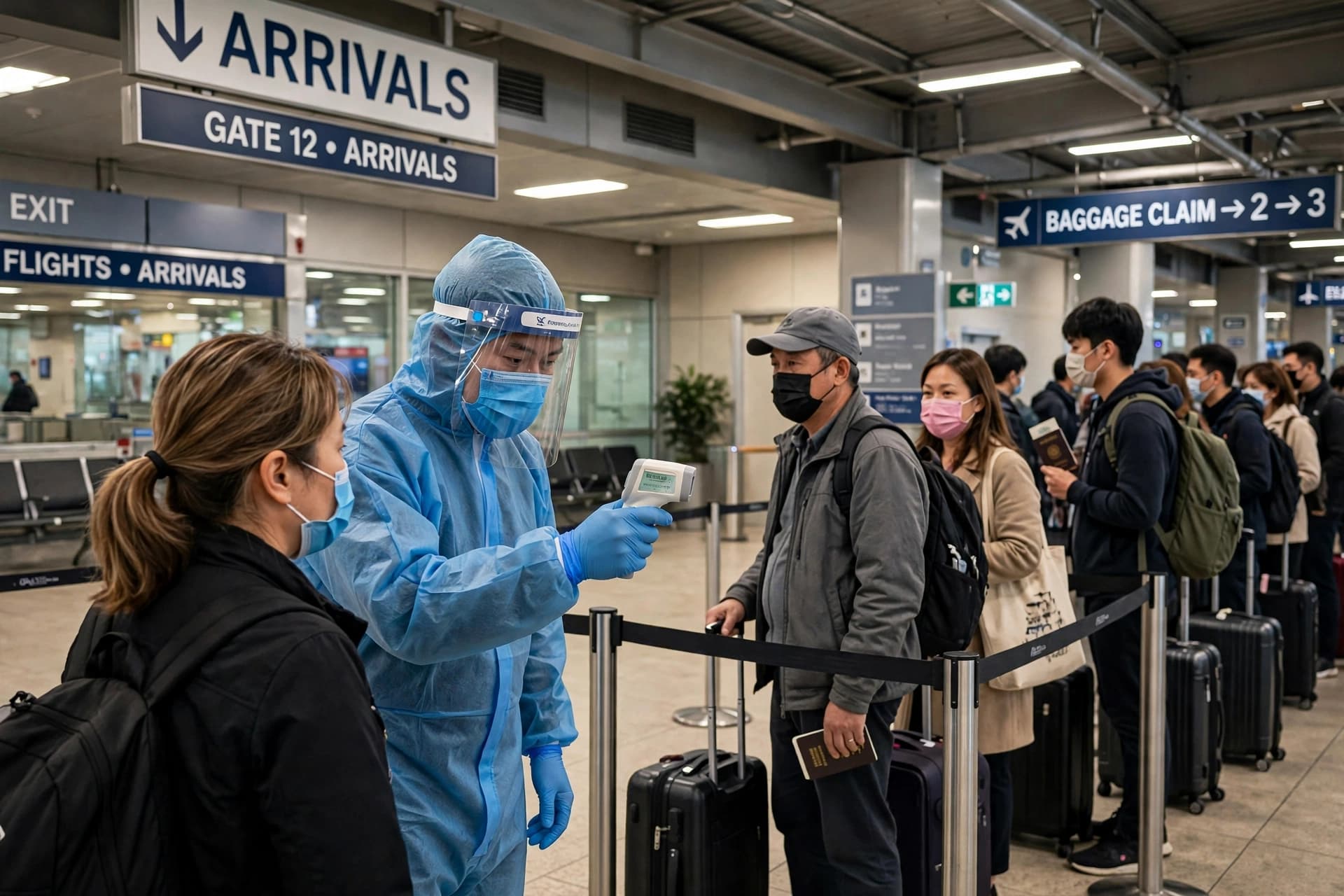
In the nuanced world of transplant medicine — where hope, urgency and scarce supply intersect — a troubling trend has drawn attention inside and outside the United States. As more than 100,000 Americans languish on waiting lists for life‑saving organs like hearts, lungs, livers and kidneys, a handful of U.S. hospitals have begun catering to wealthy international patients willing to travel and pay out‑of‑pocket for quicker transplants. This practice has reinvigorated ethical debates about fairness, access and the role of money in healthcare at a time when so many Americans are still waiting for a chance to live.
The phenomenon — described in a New York Times investigation — shows that some transplant centers are actively advertising abroad and courting patients from countries mainly in the Middle East. These “transplant tourists” are often offered concierge‑style services and shorter wait times than their U.S. counterparts. More than 1,400 international recipients have received organs in the U.S. after traveling specifically for the procedure over the past dozen years, and some hospitals report a significant share of overseas patients among certain transplant types, such as lungs and intestines.
Take the case of a Japanese woman who, after arriving in the United States for treatment, received a heart transplant within days — far faster than is typical for American patients. Soon after the operation, a charity linked to her husband made a large donation to an organization connected to the surgeon’s family, illustrating how financial incentives can intertwine with medical decisions.
Critics of this practice argue that it effectively prioritizes wealth over medical need, undermining a system that was designed to allocate organs based on urgency and compatibility rather than ability to pay. While most transplant centers in the U.S. do not engage in this practice, the investigation found that about 25 of the roughly 250 centers have performed more than one transplant a year for international patients — a figure that, in some cases, exceeds historical audit thresholds.
Supporters of treating international patients counter that foreign recipients are subject to the same official allocation policies as Americans and that bringing in well‑funded patients can help support hospital programs. But for many Americans on waiting lists, the idea that others might receive organs more quickly simply because they can travel and pay deepens long‑standing frustrations about inequity in healthcare. With thousands dying each year while waiting for a transplant, these practices raise challenging questions about access, justice and the future of organ allocation in a world where demand far outstrips supply.
AI Image Disclaimer “Visuals are created with AI tools and are not real photographs.”
Sources The New York Times The Boston Globe reporting Healthexec analysis Reddit discussions on the NYT investigation UNOS / AMA ethical context via “Declaration of Istanbul” principles
Published by Banx Network. This article is part of the Banx decentralized media programme, powered by the BXE token on the XRP Ledger.