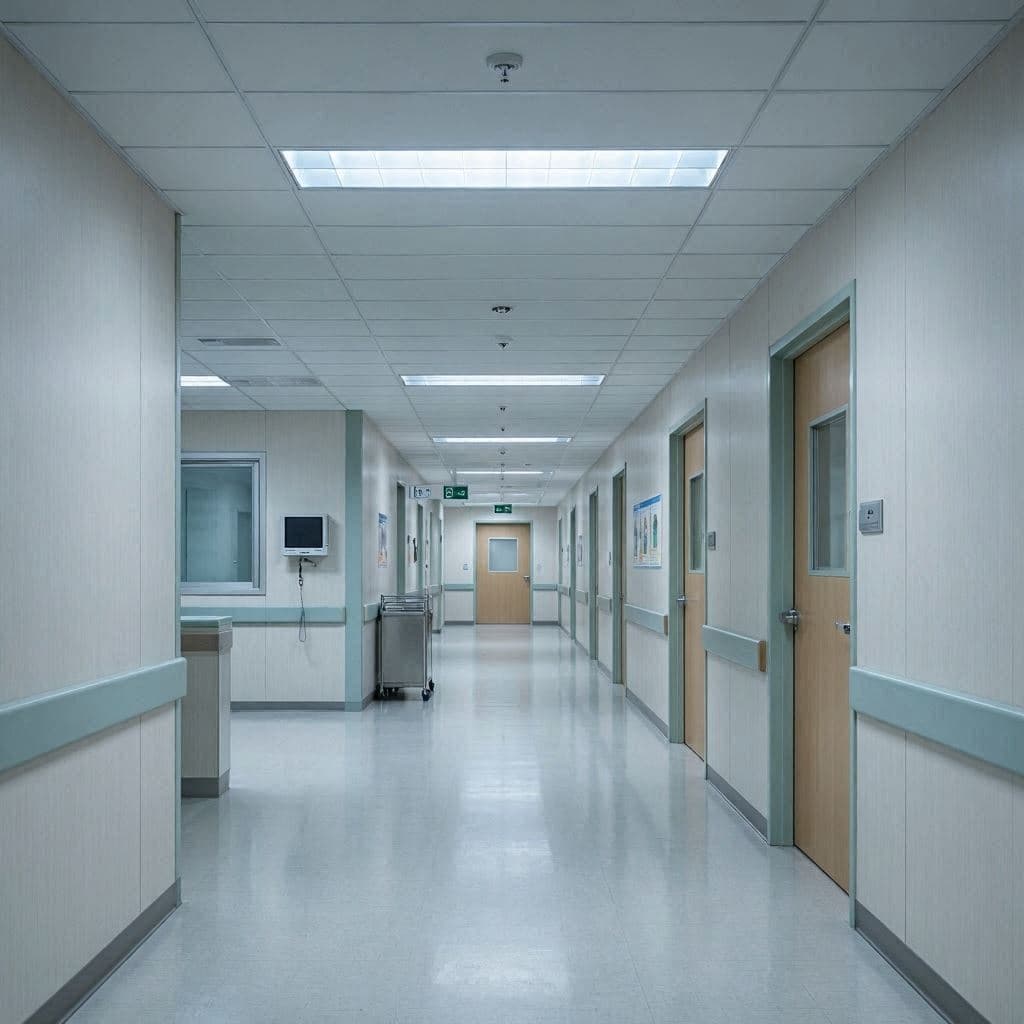
Under the harsh glow of fluorescent lights in emergency rooms across Canada, a silent crisis is unfolding. Psychiatric care experts warn that the system is struggling to cope with a surge in mental health emergencies, leaving patients waiting for days in corridors and exam rooms. These spaces, designed for acute physical trauma, are becoming holding areas for those in psychological distress, highlighting a profound gap in the healthcare continuum. For the individuals involved, the wait is not just an inconvenience but a deepening of their suffering.
The situation serves as a stark reminder of the interconnectedness of physical and mental health. It invites us to consider how we support those in crisis and the urgent need for specialized resources.
Body: Emergency departments are seeing record numbers of patients presenting with mental health issues, ranging from severe anxiety and depression to psychosis and suicidal ideation. With limited access to community-based psychiatric services and long wait times for specialists, the ER has become the default safety net. However, it is ill-equipped to provide the therapeutic environment needed for mental health recovery.
Staff report high levels of burnout as they manage complex behavioral cases alongside traditional medical emergencies. Nurses and doctors often lack the specific training and resources to de-escalate situations effectively, leading to frustration for both providers and patients. The shortage of psychiatric beds means that once stabilized, patients often have nowhere to go, resulting in prolonged stays in the ER.
Experts emphasize that this bottleneck is symptomatic of a broader systemic failure. Underfunding of mental health services, stigma, and fragmented care pathways contribute to the crisis. Without robust community support, early intervention programs, and adequate inpatient capacity, the pressure on emergency rooms will continue to mount.
For patients, the experience of waiting in a busy, noisy ER can be traumatic. The lack of privacy and sensory overload can exacerbate symptoms, making recovery more difficult. Families report feeling helpless as they watch loved ones deteriorate in an environment that feels unsafe and unresponsive to their specific needs.
Some hospitals have begun implementing innovative solutions, such as dedicated mental health observation units and rapid assessment teams. These initiatives aim to divert patients from the main ER flow and provide more appropriate care. However, these programs are not yet widespread, and funding remains a significant barrier to expansion.
Policy makers are increasingly recognizing the urgency of the issue. Recent reports call for increased investment in mental health infrastructure, workforce training, and integrated care models. The goal is to create a seamless system where individuals can access help before they reach a crisis point.
Community organizations are playing a vital role in filling the gaps, offering crisis lines, peer support, and outreach services. Their efforts are crucial but often under-resourced. Strengthening these networks is essential for reducing the burden on emergency departments.
As the crisis deepens, the human cost becomes undeniable. Each story of a patient waiting in pain is a call to action. It demands a collective effort to rebuild a system that cares for the mind as diligently as it does for the body.
Closing: The worsening crisis in Canada’s emergency rooms for psychiatric patients highlights the urgent need for systemic reform. It invites a renewed commitment to mental health resources and compassionate care.
AI Image Disclaimer: Images used in this report are AI-generated depictions intended to illustrate the themes of healthcare challenges and mental health support.
Sources: CTV News CBC News The Canadian Press YouTube (CTV News)
Published by Banx Network. This article is part of the Banx decentralized media programme, powered by the BXE token on the XRP Ledger.