There is a moment when a dawn breaks and carries not only light but also the weight of history waiting to be written. On January 1 2026, as Taiwan raised its flag to welcome a new year, the stillness of the ceremonial lift was marked against the backdrop of recent military thunder from across the Taiwan Strait. Days earlier, the Chinese military concluded large-scale live-fire drills near the island, sending rockets, aircraft, and naval vessels into the seas and skies that separate Taipei from Beijing.
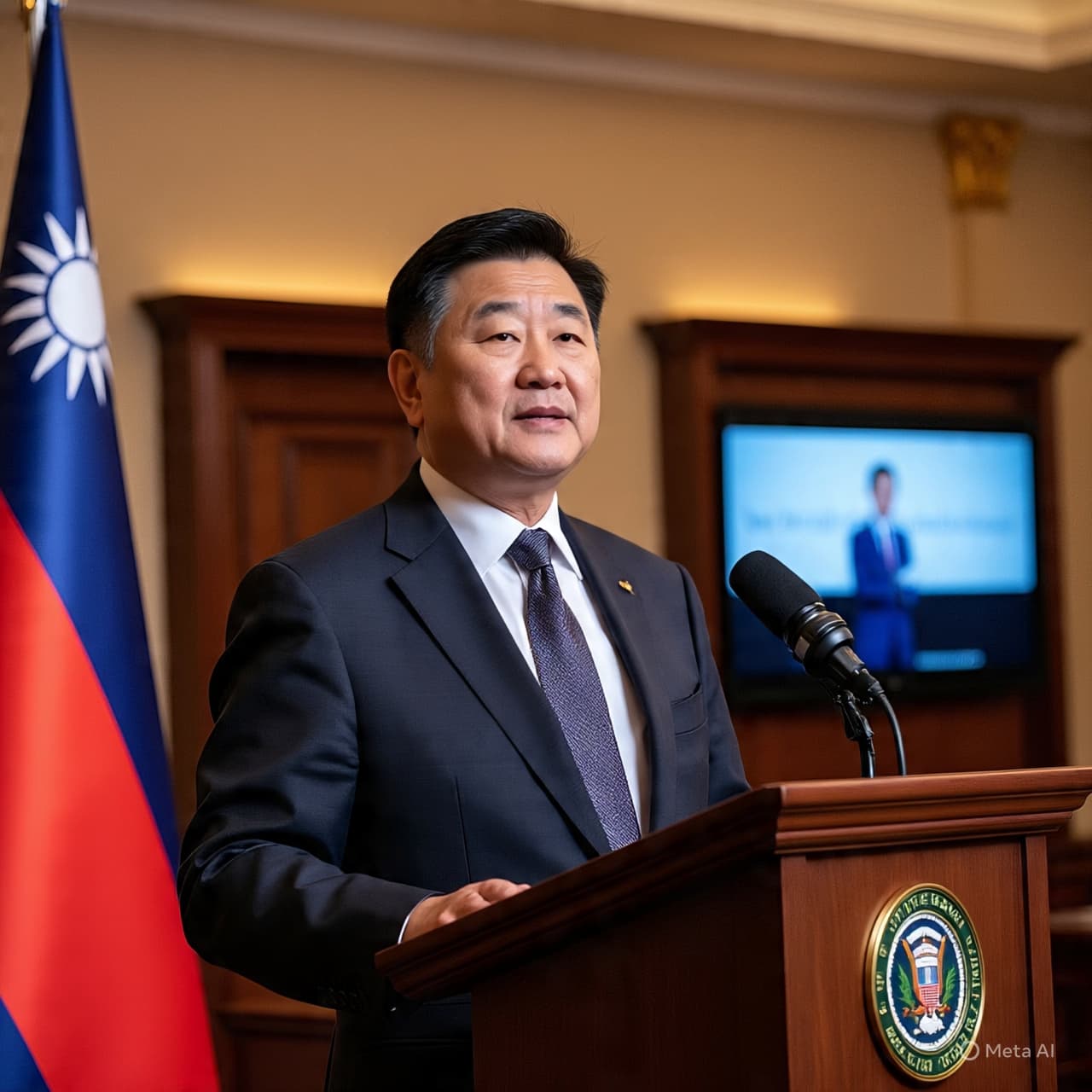
In his New Year’s address, President Lai Ching-te spoke with the calm gravity of a leader conscious that the world watches not only politics but the hopes and fears of millions. “In the face of China’s rising expansionist ambitions, the international community is watching to see whether the Taiwanese people have the resolve to defend themselves,” he said, reaffirming a pledge to safeguard national sovereignty and to strengthen both defence and social resilience.
The recent Chinese military drills, described by Beijing as routine exercises, were widely seen in Taipei and among Taiwan’s allies as highly provocative and designed to send a strategic message. In drills that drew regional attention, dozens of aircraft and warships operated close to the island, including simulated rocket launches — actions that forced disruptions to local air and maritime traffic and prompted concern among Western partners.
Taipei’s response has been one of measured firmness. In addition to vocal condemnation of the drills, President Lai has called for increased defence spending and legislative support for military preparedness, including a multi-year budget to enhance capabilities that can deter coercion from across the strait.
Beijing, for its part, reacted angrily to Lai’s speech. Chinese officials dismissed his comments as destabilizing and reiterated Beijing’s longstanding claim that Taiwan is part of China, making clear that reunification — by force if necessary — remains a declared goal. Chinese President Xi Jinping echoed that stance in his own New Year address, reinforcing rhetoric of “unstoppable” reunification aspirations.
Yet within Lai’s address was also an undertone of openness to dialogue, provided it rests on mutual respect and acknowledgment of Taiwan’s democratic governance. This nuance reflects a delicate balance — Taiwan’s determination to defend its de facto independence while still hoping to avoid the escalation of conflict.
As the world steps into 2026, Taiwan’s choice to begin the year with a firm affirmation of sovereignty highlights how geopolitical tensions can shape moments that are both deeply personal and globally consequential. In a region fraught with history, identity and power, the new year’s sunrise here carried with it not only the first light of January but the strong pledge of a people resolved to chart their own course.
AI Image Disclaimer “Illustrations were produced with AI and serve as conceptual depictions.”
Sources – ABC News / Associated Press – Reuters – AP News variations
Published by Banx Network. This article is part of the Banx decentralized media programme, powered by the BXE token on the XRP Ledger.