The British countryside is undergoing a quiet transformation, as warmer temperatures invite new inhabitants from the continent. Among the recent arrivals are big-eyed bugs and praying mantises, insects once considered rare curiosities in the UK. Their increasing presence is a visible sign of the changing climate, marking a shift in ecological boundaries. This migration is not merely a biological footnote but a profound indicator of how global warming is reshaping local ecosystems, inviting both wonder and concern.
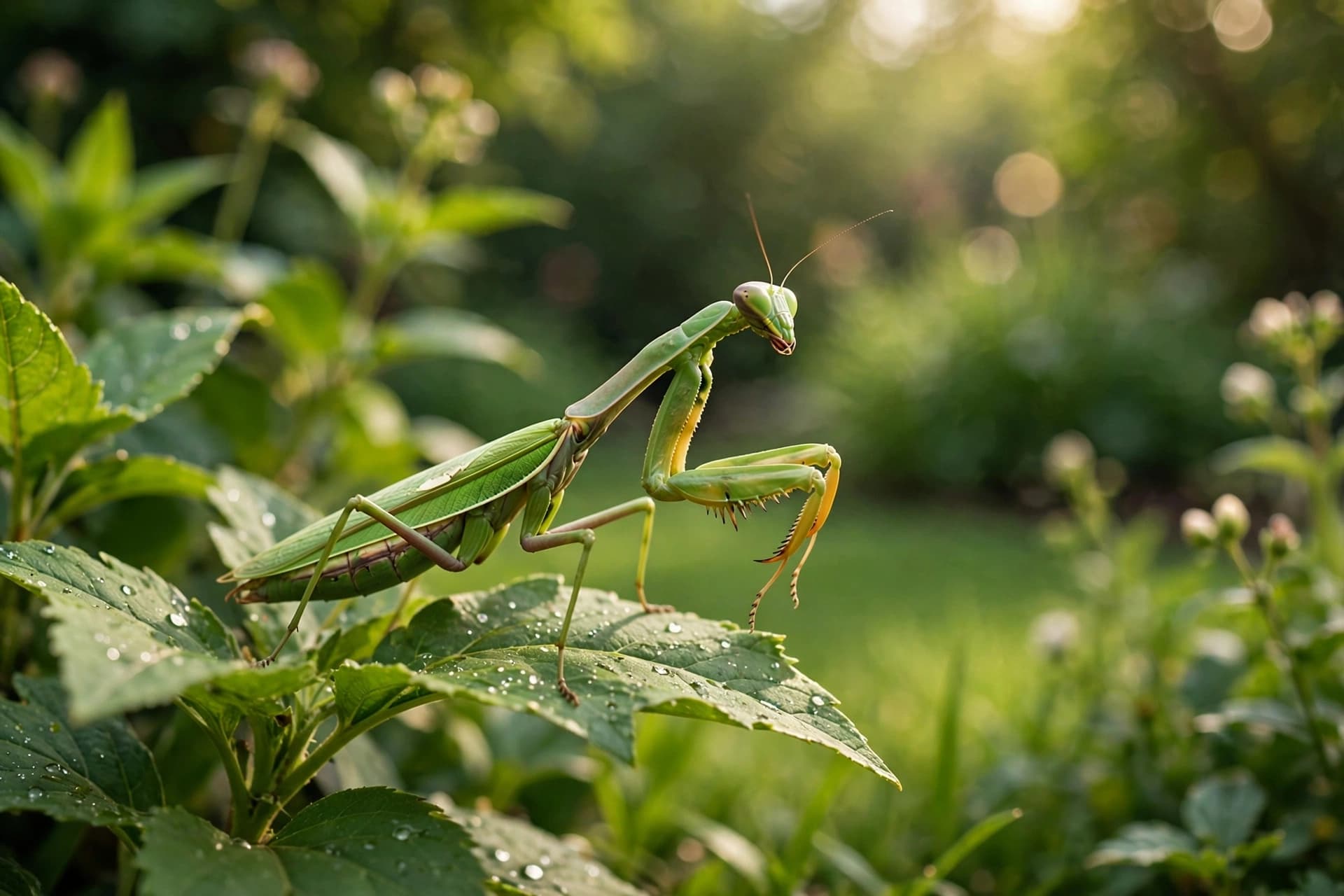
Praying mantises, with their distinctive predatory stance and large eyes, have been spotted in greater numbers across southern England. Traditionally confined to warmer European regions, these insects are thriving in the UK’s milder winters and hotter summers. Recent reports of breeding populations in Cornwall suggest that they are no longer just transient visitors but are establishing themselves as residents. This expansion is facilitated by the changing climate, which provides the thermal conditions necessary for their survival and reproduction.
Similarly, big-eyed bugs, known for their role in controlling agricultural pests, are moving northward. These small hemipterans are sensitive to temperature changes, and their range expansion reflects broader trends in insect migration. As the climate warms, species that were once limited by cold barriers are finding new habitats in higher latitudes. This shift is part of a larger pattern observed across Europe, where biodiversity is being redistributed by rising temperatures.
For ecologists, these changes present both opportunities and challenges. On one hand, the arrival of new predators like the praying mantis could help control pest populations, offering natural benefits to gardens and farms. On the other hand, the displacement of native species and the potential for invasive behavior raise concerns about ecosystem balance. The interplay between newcomers and established residents is complex and difficult to predict.
Public engagement with these new visitors has been high, with citizen scientists playing a key role in tracking their spread. Apps and online platforms allow individuals to report sightings, contributing valuable data to research efforts. This collaboration between the public and scientists fosters a deeper connection to nature and raises awareness about the impacts of climate change on local wildlife.
The presence of these insects also serves as a tangible reminder of the global nature of the climate crisis. What happens in the atmosphere affects the smallest creatures on the ground. As temperatures continue to rise, we can expect more such shifts, with tropical and subtropical species becoming more common in temperate zones. Adapting to this new reality will require careful monitoring and management.
Conservationists emphasize the importance of maintaining healthy habitats that can support both native and migrating species. Biodiversity resilience depends on the ability of ecosystems to accommodate change without collapsing. Protecting green spaces and reducing other stressors, such as pesticide use, can help buffer the impact of climate-driven migration.
The arrival of big-eyed bugs and praying mantises in the UK is a clear signal of climate-induced ecological change. While these insects bring new dynamics to local environments, their presence underscores the urgent need for climate action. As we welcome these new visitors, we must also commit to preserving the integrity and diversity of our natural world.
AI Image Disclaimer: The images accompanying this article are AI-generated artistic representations of insects and natural habitats, not actual photographs of specific sightings in the UK.
Sources: The Guardian EuroNews Devon Wildlife Trust
Published by Banx Network. This article is part of the Banx decentralized media programme, powered by the BXE token on the XRP Ledger.