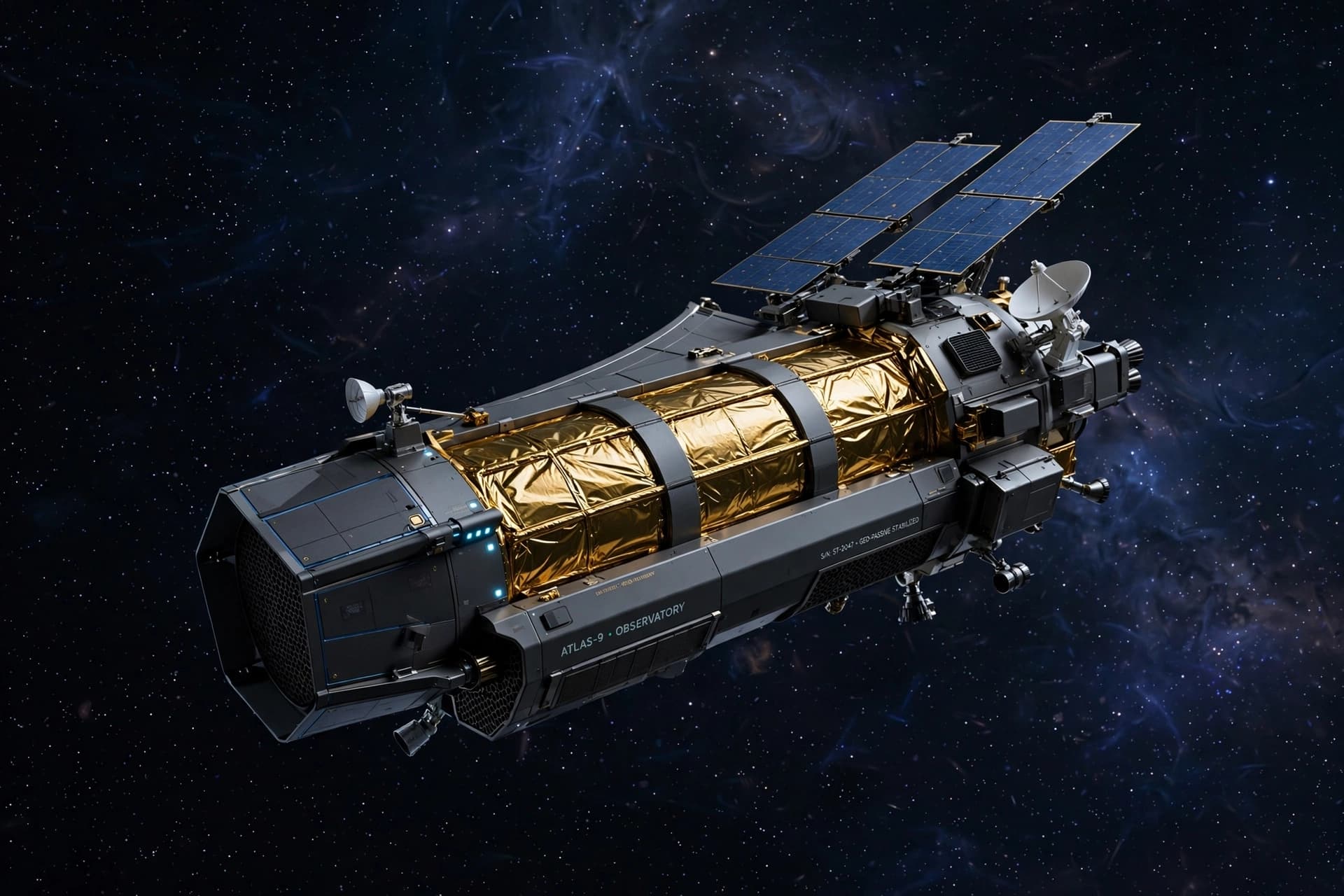
In the collaborative world of modern astronomy, leadership is often a quiet force, guiding teams through the complexities of design, data, and discovery. At the University of Massachusetts Amherst, an astronomer has stepped into such a role, appointed as the science team lead for a new NASA space telescope. This appointment is not just a personal achievement but a testament to the institution’s growing prominence in astrophysics. It signals a new chapter in our exploration of the cosmos, driven by expertise and vision from New England.
The new telescope, part of NASA’s upcoming suite of observatories, aims to probe specific questions about the universe, such as the nature of dark energy or the formation of exoplanets. As science team lead, the UMass Amherst astronomer will oversee the definition of scientific goals, the selection of observation targets, and the interpretation of data. This role requires a blend of technical knowledge and strategic thinking, ensuring that the mission delivers maximum scientific return.
This appointment highlights the importance of regional universities in national space efforts. While large institutions often dominate headlines, schools like UMass Amherst contribute critical expertise and innovation. The astronomer’s selection reflects a meritocratic process, where capability and vision outweigh institutional size. It serves as an inspiration for students and faculty, demonstrating that significant contributions to space science can emerge from anywhere.
The telescope itself represents a leap forward in technology. Equipped with advanced sensors and optics, it will capture light from the earliest galaxies and analyze the atmospheres of distant worlds. Leading the science team for such a sophisticated instrument is a responsibility that carries both prestige and pressure. The lead must coordinate with engineers, other scientists, and NASA officials, ensuring that all components align with the mission’s objectives.
For the local community, this news is a source of pride. It puts UMass Amherst on the map as a hub for astronomical research, attracting talent and funding. It also provides opportunities for students to participate in cutting-edge projects, gaining hands-on experience with space mission operations. This educational impact extends the value of the appointment beyond the immediate scientific goals.
The broader context of this appointment is a renewed interest in space exploration. With missions to the Moon, Mars, and beyond gaining momentum, the need for skilled leaders in astronomy is greater than ever. This role contributes to that ecosystem, preparing the ground for future discoveries. It is a reminder that behind every stunning image from space is a team of dedicated professionals working tirelessly to make it possible.
As the project moves forward, the focus will shift to testing and calibration. The science team will play a crucial role in validating the instrument’s performance, ensuring that the data collected is accurate and reliable. Their work will lay the foundation for years of research, influencing our understanding of the universe for generations to come.
The appointment of a UMass Amherst astronomer as science team lead for a new NASA telescope is a significant milestone. It underscores the vital role of academic institutions in space exploration and promises exciting discoveries ahead. As the mission progresses, this leadership will be key to unlocking the secrets of the cosmos.
AI Image Disclaimer: The visuals in this article are AI-generated artistic interpretations of astronomers and space telescopes, not actual photographs of the specific individual or the NASA facility.
Sources: UMass Amherst News NASA Official Website SpaceNews
Published by Banx Network. This article is part of the Banx decentralized media programme, powered by the BXE token on the XRP Ledger.