Key Highlights
- Virginiatown's population: Approximately 500 residents.
- Cadillac Mines plans:Proposed open-pit gold mine affecting 250 homes.
- Community response:Residents express concerns over displacement and compensation.
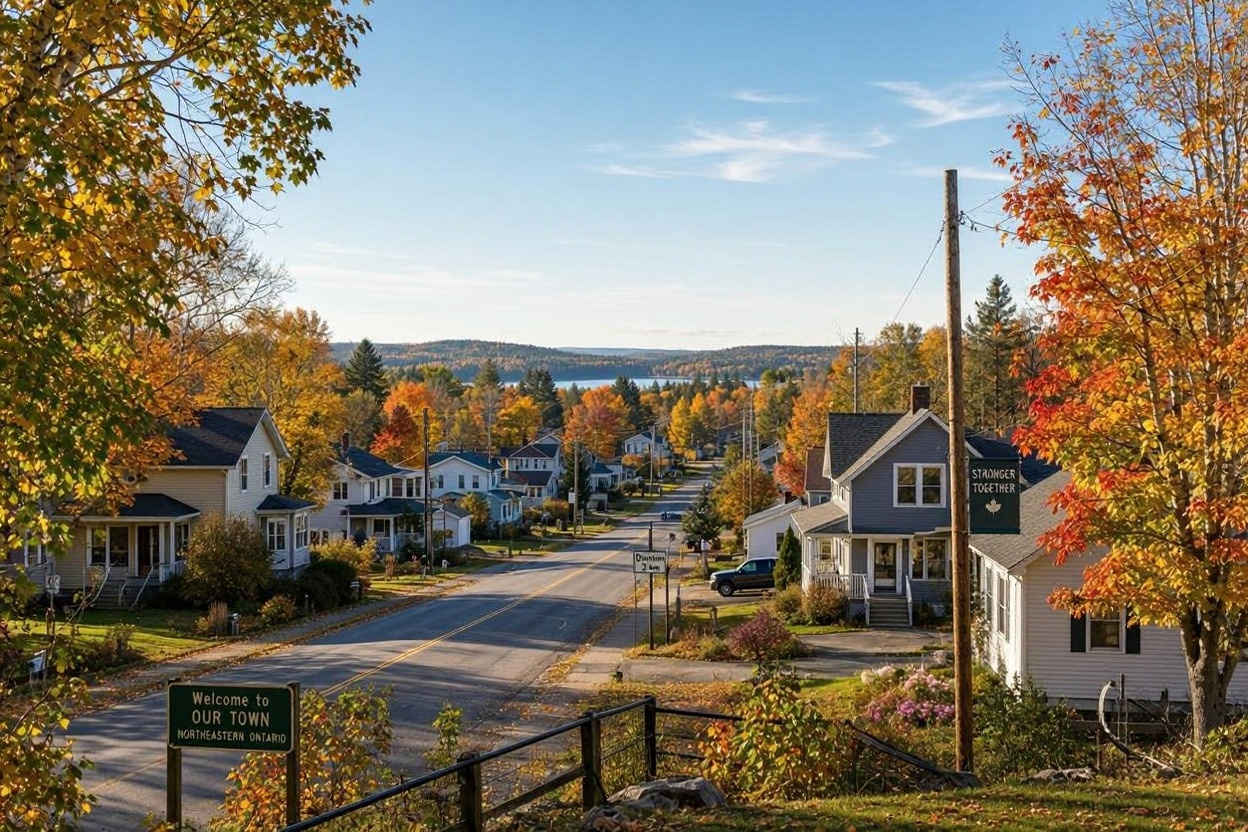
Virginiatown, a small town in northeastern Ontario, has been characterized by a serene stillness, shaped by its distance from urban centers and the slow passage of seasons. With a population of around five hundred, the town has experienced a gradual decline since the closure of the Kerr-Addison gold mine in 1996. This quietude was disrupted when Caitlin McAllister and her mother, Pat Stephens, moved to Virginiatown in January, drawn by the allure of affordable housing and a slower pace of life. They purchased a home and an adjacent property for fifty thousand dollars, investing an additional twenty thousand in renovations, marking the beginning of a hopeful new chapter.
However, the tranquility was shattered on September 29th, when Cadillac Mines CEO Rick Howes announced plans for an open-pit gold mine that would occupy much of the town, displacing approximately 250 homes and affecting the lives of 500 residents. Howes acknowledged the town's struggles since the mine's closure and noted the lack of opposition to the company's discussions about relocating the community. For McAllister and Stephens, this announcement felt like a profound unraveling of the future they had just begun to build.
The community's concerns came to a head during a public meeting on October 28th, where residents filled the local community center, armed with questions and anxieties. Stephens raised the issue of compensation for moving expenses, the home, and the repairs they had made, expressing a desire to retain their mortgage-free property. Another resident, Steve Mallack, pointedly remarked that Cadillac Mines had positioned itself as the only viable buyer for any home in Virginiatown. In response, Leon Leblanc, the company's president and COO, expressed regret for Howes' earlier comments, labeling them distasteful, and indicated that more clarity on the company's plans would be available by mid-2027.
The situation in Virginiatown echoes the experiences of Malartic, Quebec, where Osisko Mining compensated over two hundred homeowners and businesses for relocation due to an open-pit gold mine. A notable case involved a resident who resisted selling, leading to a protracted legal battle that culminated in expropriation. A Toronto lawyer specializing in expropriation noted that government intervention on behalf of corporations is uncommon and typically reserved for significant economic interests. This precedent looms over Virginiatown, highlighting the often precarious balance between community needs and corporate ambitions.
As the town awaits further developments, the uncertainty weighs heavily on residents who chose Virginiatown for its unique offerings—a place where modest incomes could still secure homeownership, allowing families to thrive without the burden of overwhelming debt. The gold beneath their feet has transformed from a potential boon into a looming threat, complicating their dreams of stability and security.
What remains unaddressed in corporate communications is the profound loss that would accompany such a transition—the close-knit relationships and the familiar landscape that define life in Virginiatown. While the company has expressed regret for its previous tone, residents have voiced their concerns with a patience that masks their underlying frustration. The coming months will be critical in determining whether Virginiatown's story becomes a cautionary tale of displacement or a model for how communities and corporations can navigate the complex realities of resource extraction.
Published by Banx Network. This article is part of the Banx decentralized media programme, powered by the BXE token on the XRP Ledger.