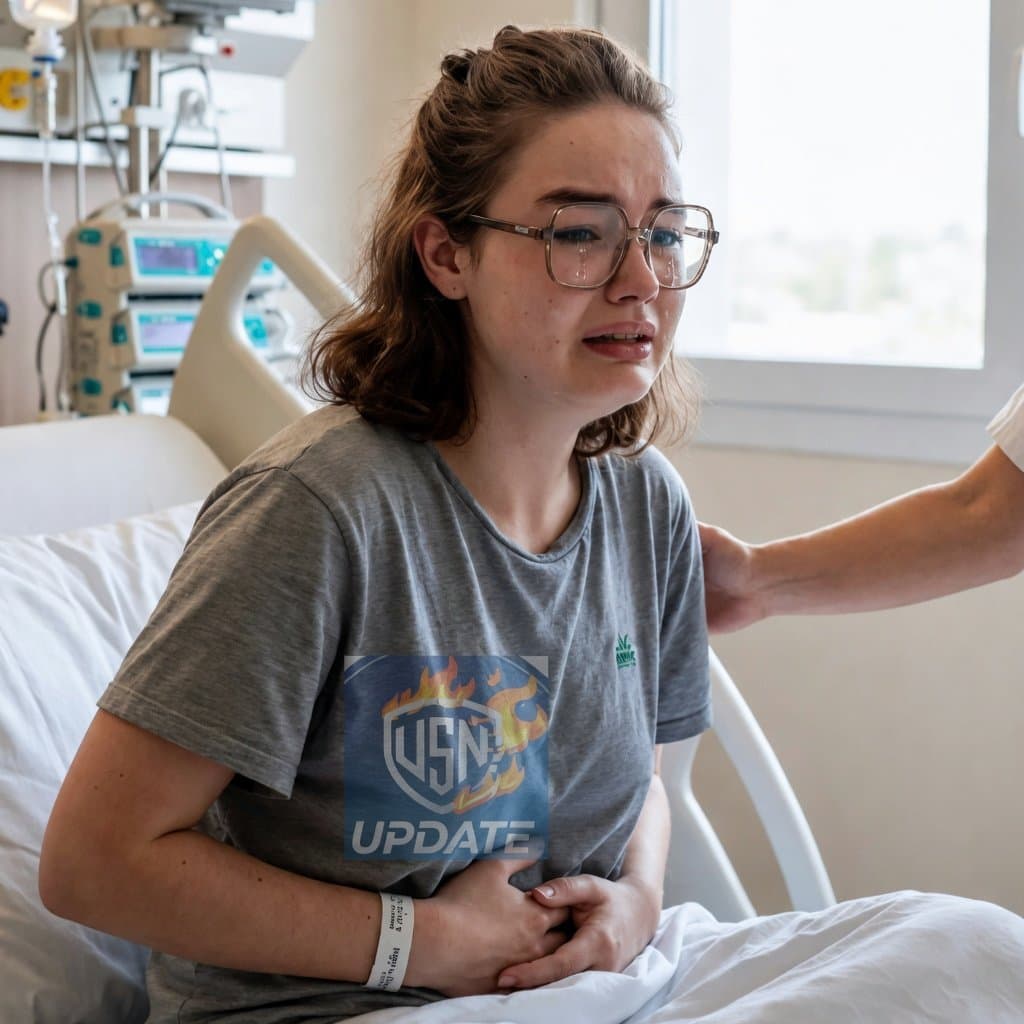
A viral social media story involving a French teenager allegedly waking up convinced she had lived seven years in an alternate universe has triggered widespread online fascination and debate. According to posts circulating online, the teenager reportedly believed she had experienced an entire alternate life where she raised children and built a family, only to later realize those experiences were not real. The emotional impact of the alleged experience reportedly left her struggling with grief and confusion. The story quickly gained traction because of its similarities to discussions surrounding lucid dreaming, false memories, psychological trauma, dissociation, and theories involving alternate realities. Online users speculated about neurological explanations, vivid dream states, and mental health conditions that can blur the line between reality and perception. Mental health experts note that intense psychological experiences can sometimes feel extraordinarily real due to the brain’s ability to create detailed emotional and sensory memories during altered states of consciousness, trauma, or certain neurological episodes. While many online users treated the story as evidence supporting multiverse theories or paranormal explanations, there is currently no scientific evidence confirming alternate universe experiences in the literal sense. The viral attention highlights growing public fascination with consciousness, memory, dreams, and the unexplored complexities of the human mind.
Published by Banx Network. This article is part of the Banx decentralized media programme, powered by the BXE token on the XRP Ledger.