Public health stories rarely unfold in a single moment. More often, they emerge gradually through observations, laboratory analysis, and coordinated efforts among healthcare professionals working far from public attention. Such is the case with the latest Ebola outbreak being monitored in Central Africa.
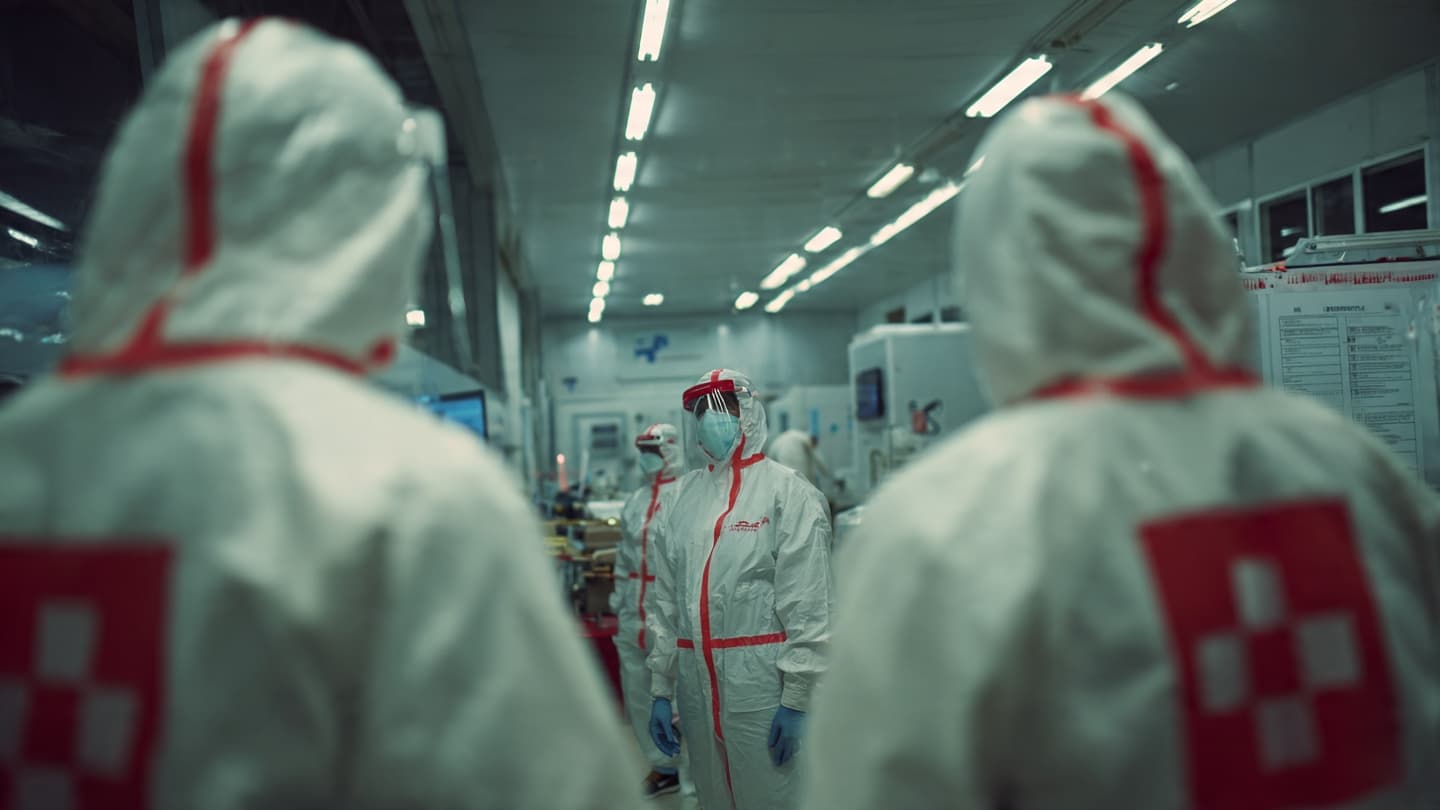
Health authorities have confirmed new cases linked to the Ebola virus, prompting an immediate response from national and international medical organizations. Surveillance teams, laboratory specialists, and community health workers have been mobilized to assess the situation and limit further transmission.
Ebola remains one of the most closely monitored infectious diseases due to its potential severity. Although outbreaks can present serious challenges, decades of research and practical experience have significantly improved response capabilities compared with earlier periods.
Rapid identification plays a critical role in containment efforts. Healthcare workers conduct case investigations, monitor potential contacts, and strengthen testing capacity to better understand how the outbreak is developing. Early action often improves the effectiveness of public health interventions.
International cooperation remains an essential component of outbreak management. Organizations such as the World Health Organization and regional health agencies frequently provide technical expertise, logistical support, and specialized resources when outbreaks occur.
Vaccination strategies have also transformed Ebola preparedness in recent years. Scientific advances have provided health authorities with additional tools that can help reduce transmission risks in affected communities. Researchers continue studying methods to further improve prevention and treatment approaches.
Community engagement is equally important. Public health campaigns often focus on sharing accurate information, encouraging early reporting of symptoms, and supporting preventive practices. Trust and communication play significant roles in successful disease control efforts.
Medical experts emphasize that outbreaks should be viewed through a balanced lens. Vigilance is necessary, but preparedness systems today are considerably stronger than in previous decades. Enhanced surveillance networks and improved international coordination contribute to more effective responses.
The current outbreak also highlights the value of ongoing investment in healthcare infrastructure. Laboratories, training programs, disease monitoring systems, and emergency response capacity form the foundation of modern public health resilience.
For now, authorities continue monitoring developments closely while implementing established containment measures. Scientists and healthcare professionals remain focused on limiting transmission and protecting communities through evidence-based public health action.
AI Image Disclaimer
Visuals are created with AI tools and are not real photographs.
Source Check Credible sources identified:
Reuters World Health Organization (WHO) Africa Centres for Disease Control and Prevention (Africa CDC) United Nations News Associated Press
Published by Banx Network. This article is part of the Banx decentralized media programme, powered by the BXE token on the XRP Ledger.