Key Highlights
- Project Delay:Vietnam's first semiconductor plant may miss its 2027 production target.
- Construction Status:Site remains undeveloped, raising concerns over timelines.
- Equipment Procurement:Ongoing negotiations with ASML for critical machinery.
Vietnam's ambition to establish its first semiconductor manufacturing plant is facing significant challenges, as recent reports indicate that the project is unlikely to meet its target of beginning trial production by 2027. According to a Reuters report dated October 26, 2026, delays in construction, administrative hurdles, and ongoing negotiations for essential chipmaking equipment from Dutch manufacturer ASML have contributed to the uncertainty surrounding the project.
The facility, spearheaded by Viettel, a prominent telecommunications and technology group in Vietnam, is part of a government initiative aimed at transitioning the country from its traditional role in electronics assembly to a more substantial position in semiconductor manufacturing. Viettel broke ground on the site in January 2026, with plans to have the plant fully operational by 2030. However, a recent site visit revealed that the land remains largely undeveloped, with no visible construction progress, raising doubts about the feasibility of the original timeline.
Satellite imagery from earlier in the year and October has shown minimal advancement in construction, which is particularly concerning given the project's ambitious goal of initiating trial production within the next year. The lack of visible progress has prompted questions about whether the initial timeline is still realistic, given the complexities involved in establishing a semiconductor manufacturing facility.
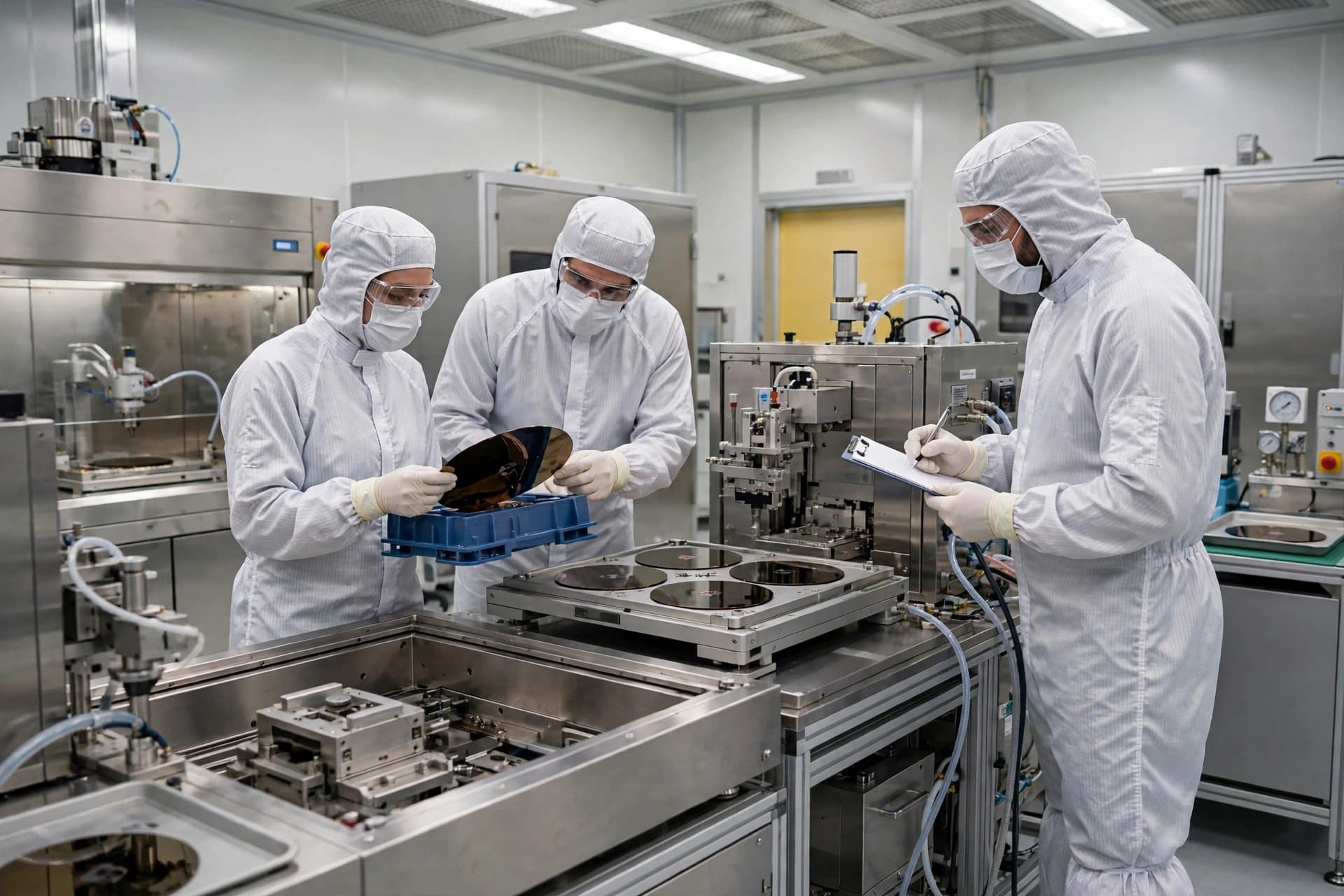
A critical aspect of the project is the procurement of advanced manufacturing equipment. Reports indicate that Viettel has been in discussions with ASML regarding the purchase of a deep ultraviolet (DUV) lithography machine, a vital component for producing semiconductors. However, it remains unclear why these negotiations have yet to yield a formal agreement or which specific model is under consideration. The absence of clarity on this front adds another layer of uncertainty to the project's timeline.
Vietnamese authorities have estimated the cost of the semiconductor plant at approximately $1.3 billion. Establishing a facility of this scale requires more than just physical infrastructure; it necessitates a meticulously controlled manufacturing environment, reliable utilities, specialized materials, testing systems, and a workforce skilled in advanced production techniques. Viettel has stated that the project is progressing according to its established plan, with activities being carried out in phases based on technical requirements. However, the lack of a clear timeline from ASML and the Vietnamese finance ministry's silence on the matter leave the project's immediate future in question.
The technological ambitions of the project are considerable. Viettel has indicated plans to start with a 32-nanometre manufacturing process, which poses significant challenges for a new entrant in the semiconductor industry. The production of semiconductors involves intricate processes that require high precision and often necessitate collaboration with experienced international partners to develop effective production methods and train staff.
Vietnam already has a notable presence in semiconductor assembly, testing, and packaging, which typically requires less capital than constructing a wafer fabrication plant. Major international companies, including Intel and Samsung, have established operations in the country, providing a foundation for the semiconductor ecosystem. However, these existing operations do not eliminate the technical barriers associated with manufacturing chips from silicon wafers.
The development of a domestic chip plant aligns with Vietnam's broader goal of advancing its economy through technology and industrial development. A successful semiconductor facility could enhance the country's technical capabilities and strengthen its connections to global supply chains. Nevertheless, the project's success hinges on attracting expertise, securing necessary equipment, establishing reliable production processes, and competing in a market dominated by established manufacturers with extensive experience.
As Vietnam's first chip factory continues to evolve, it embodies both ambition and uncertainty. The reported delays highlight the challenges of transitioning from strategic planning to actual production. Future milestones will depend on the progress of construction, equipment procurement, funding, and the establishment of technical partnerships. Until these critical elements are addressed, the original production target remains difficult to assess with confidence.
Published by Banx Network. This article is part of the Banx decentralized media programme, powered by the BXE token on the XRP Ledger.