Key Highlights
- Initiative:The Netherlands aims to build Europe's strongest medical technology sector by 2035.
- Funding:€102.5 million in public funding and €150 million in private investments announced.
- Focus:The plan emphasizes innovation in diagnostics, treatment, and healthcare resilience.
On October 26, 2026, the Dutch government unveiled its MedTech 2035 policy agenda, a strategic initiative aimed at establishing the Netherlands as the leader in medical technology within Europe by the year 2035. This ambitious plan is designed to enhance diagnostic and treatment capabilities, bolster the resilience of the healthcare system, and stimulate economic growth through innovation. The agenda was developed collaboratively with input from various stakeholders, including businesses, research institutions, investors, and healthcare organizations.
To support this initiative, the government has committed €102.5 million in public funding, which will be allocated through 2036. In addition to this public investment, private sector contributions have been significant, with Invest-NL and institutional investors, including pension funds, pledging an additional €150 million. Notably, Philips, a major player in the medical technology field, announced a €50 million investment in July, further solidifying the financial foundation necessary for advancing promising technologies from research to practical application.
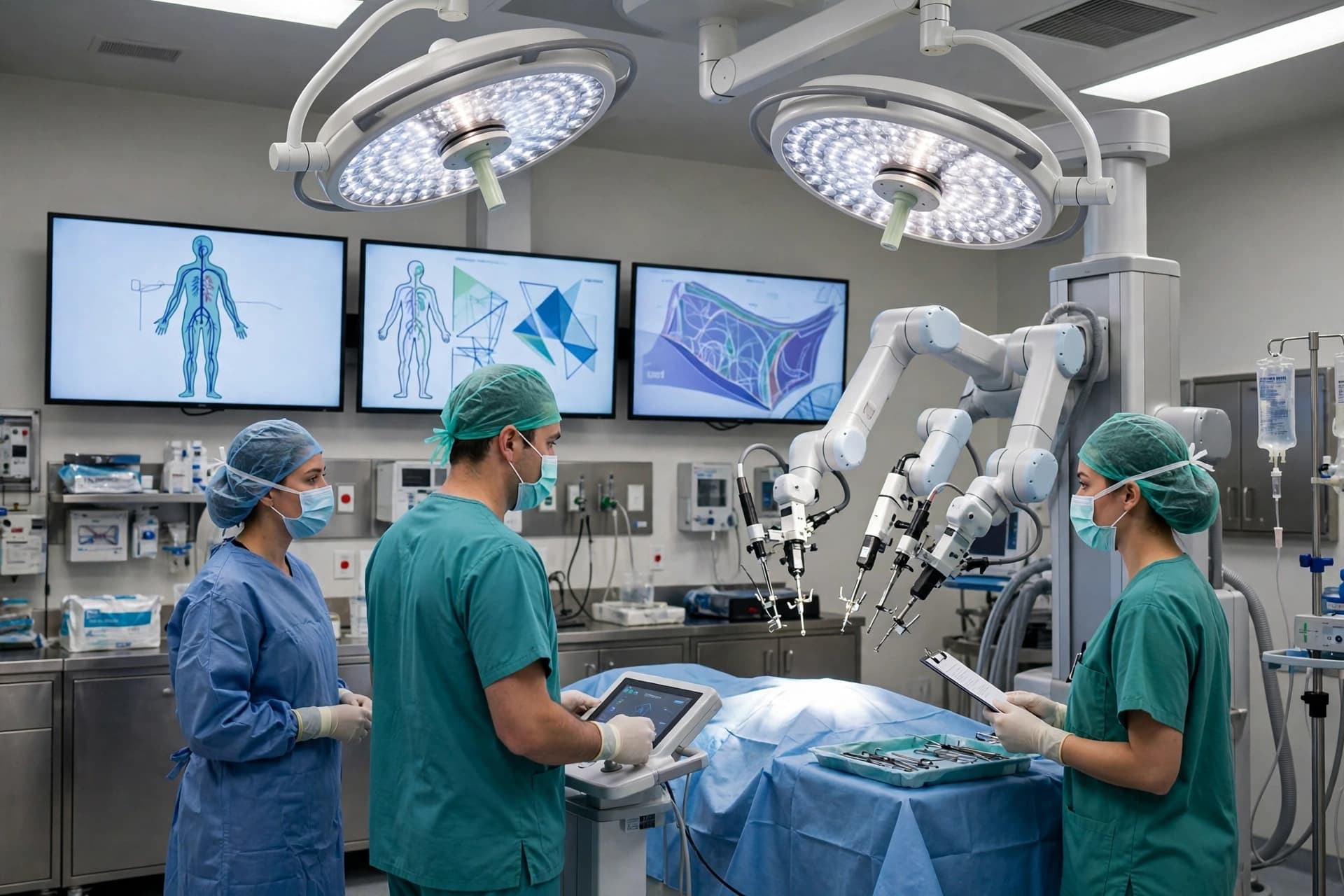
The scope of medical technology encompasses a wide array of tools and systems utilized in healthcare, including diagnostic equipment, imaging systems, surgical instruments, and digital applications. The MedTech 2035 agenda aims to create a robust environment for the development, evaluation, financing, and adoption of these technologies by healthcare providers. One of the key areas earmarked for investment is the advancement of image-guided therapies that leverage artificial intelligence and robotics. These innovations are expected to enhance the precision of medical interventions, although their success will depend on clinical evidence and specific technological capabilities.
The transition from laboratory innovation to clinical application involves several critical steps. Developers must demonstrate that their devices are safe, reliable, and effective in real-world clinical settings. Hospitals must ensure they have the trained personnel, infrastructure, and funding necessary to integrate new technologies without imposing additional burdens. Smaller companies, in particular, often face challenges in scaling their innovations from prototypes to widely used products. The Dutch initiative seeks to bridge the gaps between research, investment, industry, and healthcare, facilitating a smoother transition for new innovations.
The existing landscape of research institutions and technology companies in the Netherlands provides a solid foundation for this plan. Universities, medical centers, and established manufacturers possess diverse expertise that can contribute to the entire lifecycle of medical technology development, from initial scientific research to clinical testing and product launch. By fostering better connections among these entities, the initiative aims to shorten the distance between laboratory discoveries and practical tools for clinicians, potentially leading to the emergence of new companies focused on cutting-edge medical technologies.
The economic implications of this initiative are closely intertwined with its healthcare objectives. Medical systems across Europe are grappling with increasing demand, workforce shortages, and the necessity for efficient resource utilization. Technologies that can demonstrably enhance diagnosis, treatment, and clinical workflows are essential for addressing these challenges. A robust domestic medical technology industry not only promises to create skilled jobs but also to drive new commercial activities. However, it is crucial to recognize that investment alone will not ensure improved patient outcomes; success will depend on the integration of evidence-based innovations into everyday healthcare practices.
With 2035 set as the target year, the Netherlands is embarking on a transformative journey to redefine its medical technology landscape, aiming to not only enhance healthcare delivery but also to position itself as a leader in the global MedTech arena.
Published by Banx Network. This article is part of the Banx decentralized media programme, powered by the BXE token on the XRP Ledger.