There is a particular irony in the economics of school funding—the way that institutions serving the wealthiest families can also receive the largest shares of public money, while schools serving the poorest struggle to meet basic needs. In Victoria, that irony has been quantified. New analysis has revealed the private schools with the richest parent communities, and the figures show that some of the state's most affluent institutions are receiving significant increases in government funding even as their parent bodies rank among the wealthiest in the country.
The data, published by the Australian Curriculum, Assessment and Reporting Authority (ACARA), measures the socio-educational advantage of each school's parent community—a composite of parent education, occupation, and income. The schools at the top of the list are familiar names: Melbourne Grammar, Scotch College, Geelong Grammar, and others whose fees exceed $40,000 a year for day students. These schools serve families in the top percentile of Australian wealth. And they are, according to the analysis, receiving more government funding than ever before.
The funding flows through a complex formula that combines federal and state contributions based on a school's "capacity to contribute" from private sources. In theory, wealthier schools receive less. In practice, the formula has been criticized for allowing schools with high fee income and substantial tax-deductible donations to receive public money that could be directed elsewhere. The result is a system where the most advantaged students receive the most educational resources, while the least advantaged receive the least.
The context for this debate is the Gonski reforms of the past decade, which sought to create a needs-based funding model that would direct resources to the schools and students who needed them most. Those reforms were initially supported across the political spectrum, but their implementation has been uneven and their funding levels have been subject to political negotiation. In Victoria, the state government has increased its contribution to private schools even as public schools report growing class sizes, ageing infrastructure, and a shortage of teachers.
What the new analysis reveals is not necessarily a scandal, but something more structural: a system in which wealth and educational advantage reinforce each other, in which the schools that need the least receive the most, and in which the promise of equal opportunity remains, for many students, an aspiration rather than a reality. The schools themselves are not to blame for the structure they inhabit; they are simply participating in a system that rewards the already-rewarded. But the figures raise a question that policymakers have so far been reluctant to confront directly: what is the purpose of public funding for education, and who should benefit from it?
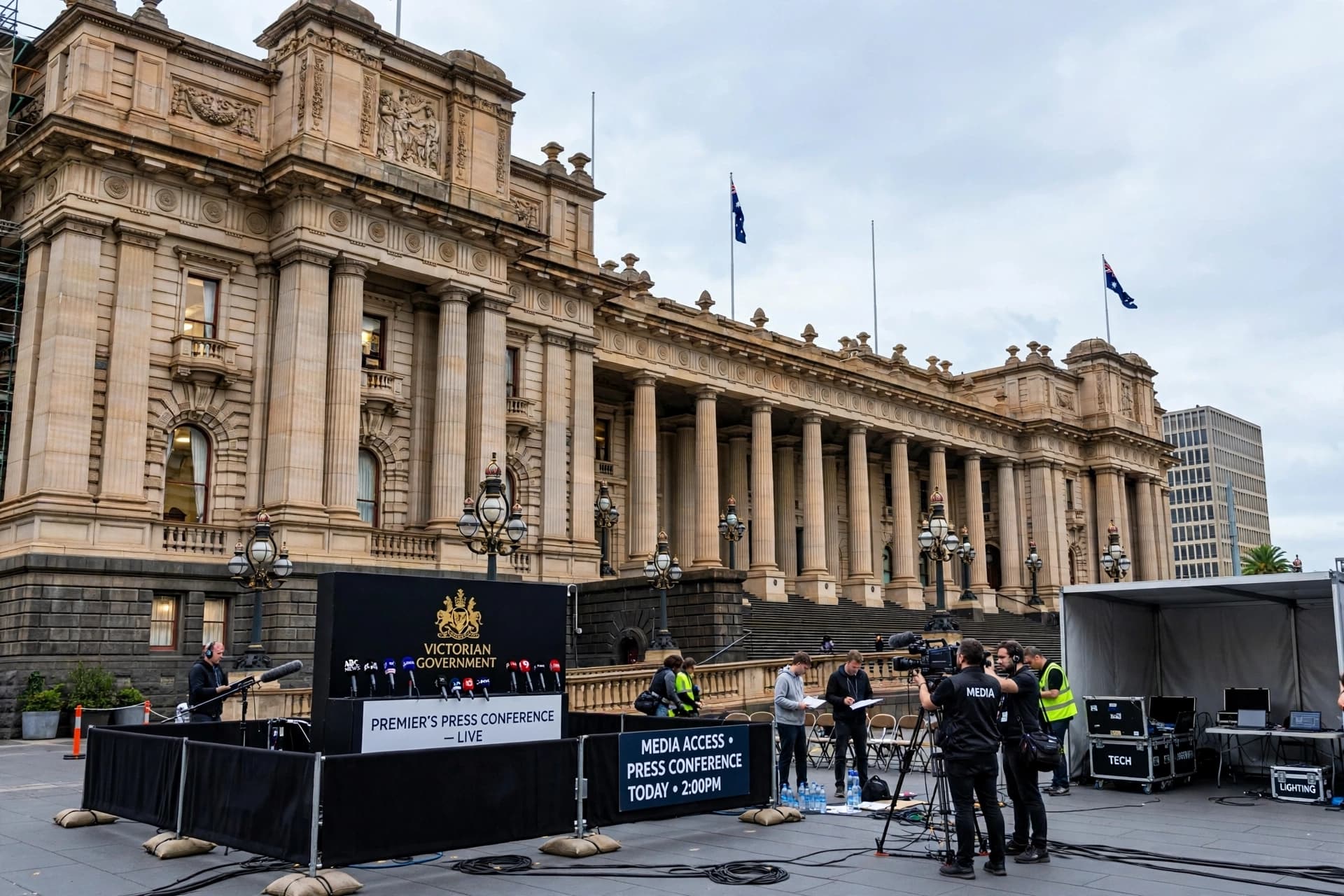
AI Image Disclaimer: The visual elements in this article were created using AI generation tools and are intended for illustrative purposes only.
Sources: The Age, ACARA, Australian Education Union
Published by Banx Network. This article is part of the Banx decentralized media programme, powered by the BXE token on the XRP Ledger.