In the annals of Canadian criminal history, few names evoke as much horror and sorrow as Paul Bernardo. The convicted serial rapist and murderer, responsible for the torture and deaths of teenage girls Leslie Mahaffy and Kristen French, as well as numerous other sexual assaults, remains incarcerated. Next month, he will face the Parole Board of Canada once again, a routine procedural step that nonetheless reopens old wounds for the families of his victims. For them, each hearing is not just a legal formality but a renewed assault on their peace and memory.
Bernardo, currently serving a life sentence with no chance of parole for 25 years, has been denied release in previous hearings. Yet, the biennial review process continues, requiring victims’ families to prepare impact statements and relive the trauma of their loss. The upcoming hearing has sparked fresh outrage and grief, with family members expressing that Bernardo must "pay" for his crimes through continued imprisonment. They argue that his lack of remorse and the heinous nature of his acts make him unfit for ever rejoining society.
The legal framework surrounding parole in Canada mandates regular reviews for life sentences, a principle rooted in the belief that rehabilitation is possible. However, in cases of extreme violence and depravity, this principle clashes with the public’s demand for justice and retribution. For the families of Mahaffy and French, the possibility of parole, however remote, is a source of enduring anxiety. They view the hearings as a torment, forcing them to confront the man who destroyed their lives every two years.
Recent developments have added another layer of complexity. The Parole Board has been working to allow victims’ families to attend hearings in person, rather than virtually, to deliver their impact statements. This change is seen as a small but significant step toward acknowledging their suffering and giving them a more direct voice in the process. It recognizes that justice is not just about the offender but also about the healing and dignity of those left behind.
Lawyers representing the families have argued that the frequency of these hearings is unnecessary given the severity of Bernardo’s crimes. They have called for longer intervals between reviews, suggesting that the current system places an undue burden on victims. While the law remains unchanged, the debate highlights the tension between statutory rights and moral justice. It raises questions about how the legal system can better support victims in such high-profile cases.
Public sentiment largely aligns with the families’ views. Many Canadians believe that Bernardo should never be released, viewing his crimes as unforgivable. The media coverage of each parole hearing reignites national discussion about sentencing, victim rights, and the purpose of incarceration. It serves as a reminder of the dark chapters in our collective history and the resilience of those who survive them.
For Bernardo, the hearings are a chance to present evidence of rehabilitation, though past boards have found his progress insufficient. His continued denial of full responsibility for some attacks has been a major factor in previous denials. The board assesses risk to public safety, and in Bernardo’s case, the consensus has consistently been that the risk remains too high. This pattern is expected to continue, offering little hope of release but much pain in the process.
As the next hearing approaches, the focus remains on the victims. Their voices, though strained by time and trauma, continue to demand accountability. They remind us that behind every legal procedure are human beings whose lives have been irrevocably altered. In their insistence that Bernardo "pay," they seek not just punishment but a recognition of the gravity of his actions. It is a plea for justice that endures, regardless of the calendar.
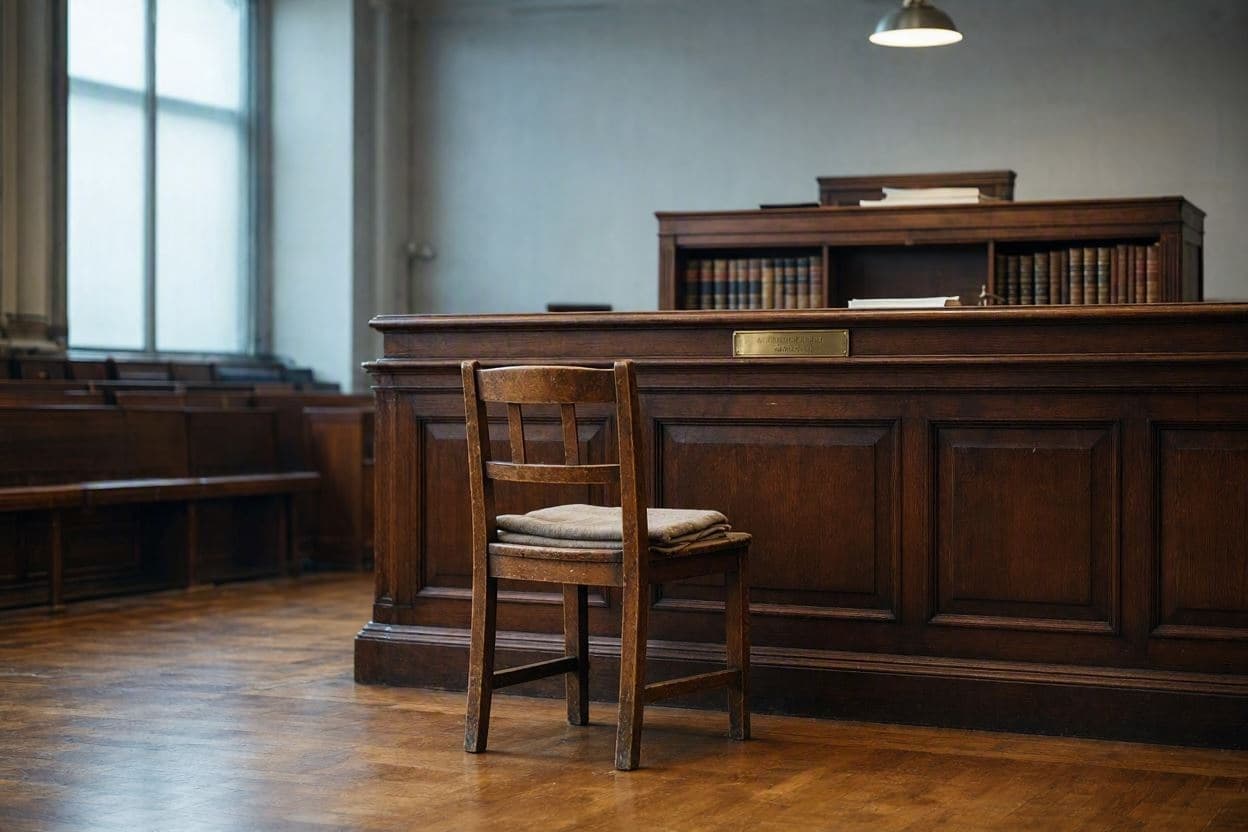
AI Image Disclaimer: The visual aids included here are AI-generated illustrations depicting legal concepts and memorial themes, not actual photographs of Paul Bernardo, the victims, or the parole hearing.
Sources: CBC News Winnipeg Sun Global News
Published by Banx Network. This article is part of the Banx decentralized media programme, powered by the BXE token on the XRP Ledger.