In the vast, rugged expanse of Labrador, where rivers carve deep valleys through ancient rock, the flow of water is not just a natural phenomenon but a source of profound political and cultural tension. For decades, the Churchill Falls hydroelectric project has stood as a monument to industrial ambition, generating power that lights up homes in Quebec while leaving the Indigenous communities of the region grappling with questions of fairness and recognition. Now, the Grand Chief of the Innu Nation has issued a firm demand for an apology, stating unequivocally that his people cannot support the current arrangement with Quebec. This stance highlights a enduring struggle for justice that predates the dams themselves.
The Churchill Falls agreement, signed in 1969, has long been a subject of controversy. Critics argue that it locked Newfoundland and Labrador into selling electricity to Quebec at rates that have remained static for decades, despite the soaring market value of the energy produced. For the Innu, whose traditional territories were significantly impacted by the flooding and development associated with the project, the deal represents more than just economic disparity; it symbolizes a historical disregard for their rights and sovereignty. The lack of meaningful consultation at the time of construction left a legacy of resentment that persists today.
Grand Chief Greg Richert’s recent statements underscore the depth of this grievance. He emphasized that the Innu Nation was never properly compensated for the loss of land and resources, nor were they included in the benefits derived from the hydroelectric powerhouse. The demand for an apology is not merely a symbolic gesture but a call for acknowledgment of past wrongs. It is a request for respect, recognizing that the Innu are not just stakeholders but rights-holders with a deep connection to the land.
Quebec’s position has traditionally been that the contract is legally binding and beneficial for consumers in the province. However, the changing landscape of Indigenous rights in Canada, marked by the United Nations Declaration on the Rights of Indigenous Peoples (UNDRIP), challenges the validity of agreements made without free, prior, and informed consent. The Innu Nation argues that the original deal was struck in an era when Indigenous voices were systematically marginalized, and thus, it requires reevaluation in the modern context.
The implications of this standoff extend beyond provincial borders. It touches on the broader national conversation about reconciliation and resource development. As Canada seeks to transition to green energy, the role of Indigenous communities in these projects becomes increasingly central. Ignoring their concerns risks delaying progress and perpetuating historical injustices. The Innu’s refusal to back the deal serves as a reminder that sustainable development must be inclusive and equitable.
Negotiations between the provinces and the Innu Nation have been ongoing, but progress has been slow. The demand for an apology may be a strategic move to reset the dialogue, forcing all parties to confront the moral dimensions of the dispute. It shifts the focus from purely legal arguments to ethical responsibilities, urging Quebec and Newfoundland and Labrador to consider the human cost of their energy policies.
For the residents of Labrador, the issue is personal. Many live in communities that have seen limited economic benefit from the massive infrastructure in their backyard. They watch as power lines carry energy south, while local needs often go unmet. The Grand Chief’s stance resonates with these communities, giving voice to a shared sense of exclusion and a desire for change. It is a call for a new partnership based on mutual respect.
As the debate continues, the world watches how Canada navigates this complex intersection of history, law, and ethics. The outcome will set a precedent for future resource projects involving Indigenous lands. By demanding an apology and rejecting the status quo, the Innu Nation is asserting its place at the table, ensuring that the story of Churchill Falls is rewritten to include their truth.
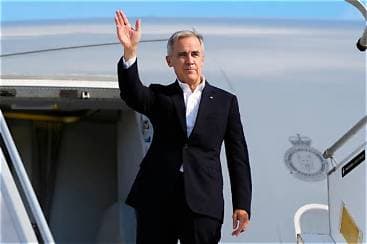
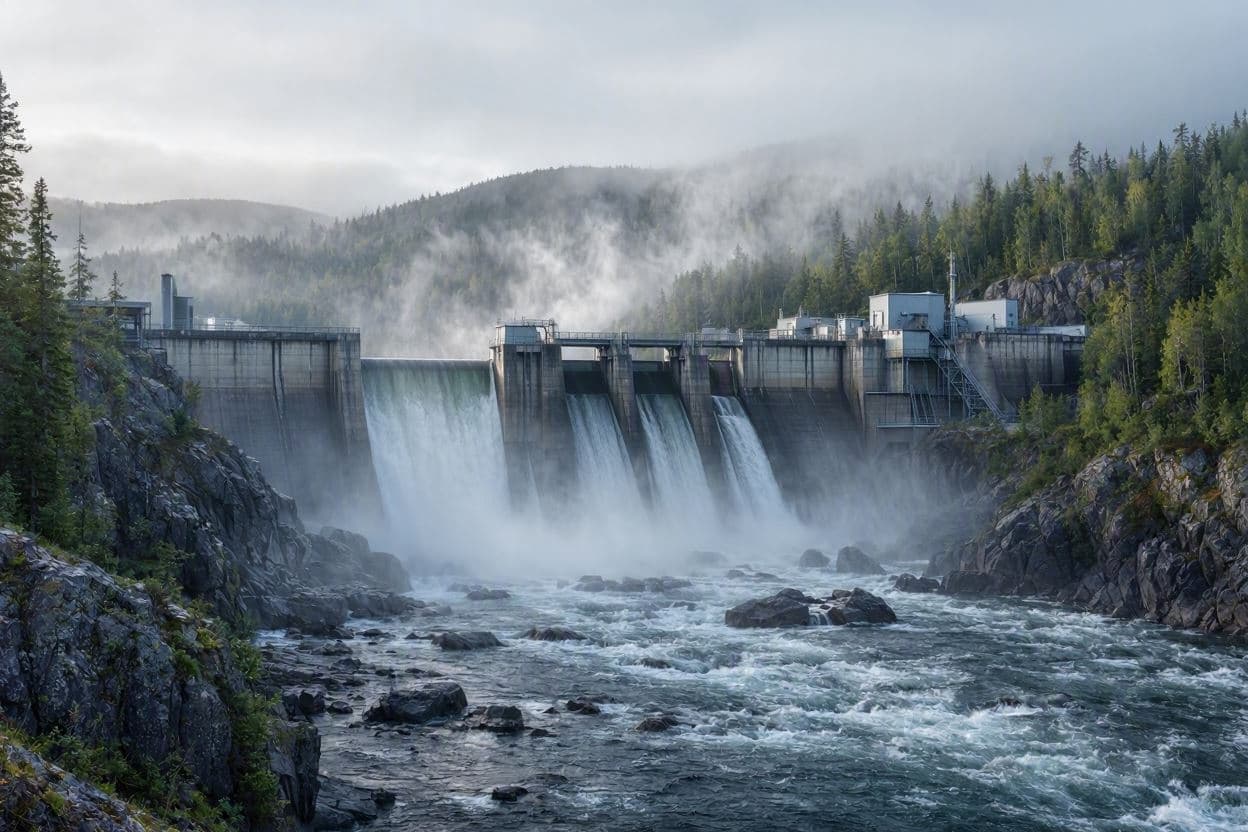
AI Image Disclaimer: The visual representations included here are AI-generated illustrations designed to depict hydroelectric landscapes and Indigenous leadership concepts, not actual photographs of Grand Chief Greg Richert or the specific Churchill Falls facility.
Sources: CBC News The Globe and Mail APTN News
Published by Banx Network. This article is part of the Banx decentralized media programme, powered by the BXE token on the XRP Ledger.