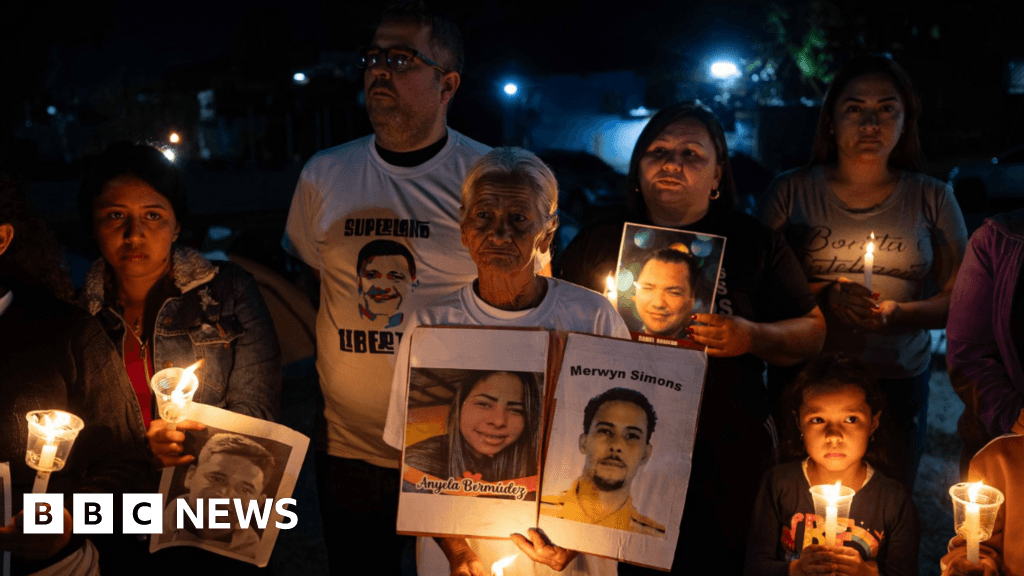
Venezuela has announced the release of at least 80 political prisoners, a development welcomed by human rights organizations and opposition leaders. This decision is seen as an attempt to alleviate the ongoing political crisis and restore some degree of trust between the government and its critics.
The released individuals include activists, journalists, and opposition members who had been imprisoned under charges widely viewed as politically motivated. The government’s actions have drawn mixed reactions, with supporters interpreting the releases as a sign of goodwill, while detractors remain skeptical about the sincerity of the government's intentions.
Advocates for human rights have long urged the Venezuelan government to address its record of detaining political dissenters and to uphold democratic freedoms. The mass release has been praised as a step in the right direction, yet many call for continued pressure to ensure the safe release of all political prisoners and to promote broader reforms.
Political analysts suggest that these moves could be part of a larger strategy as the government navigates international pressures and seeks to mend relations with global entities. As Venezuela heads toward upcoming elections, the implications of these releases on the political landscape will be critical to watch.
While the release of political prisoners is a hopeful signal, activists emphasize the need for ongoing vigilance in the fight for human rights and democratic freedoms within the country. The situation remains fluid, and the focus now shifts to the potential impacts on Venezuela's political climate and the future of its governance.
Published by Banx Network. This article is part of the Banx decentralized media programme, powered by the BXE token on the XRP Ledger.