Charles Darwin was a man of keen observation and bold hypotheses, often seeing patterns where others saw only chaos. In 1875, he proposed that certain plants in the genus Saxifraga might possess carnivorous traits, a suggestion that was met with skepticism and largely forgotten. Now, 150 years later, scientists have identified Saxifraga candelabrum as a genuine insect-eating plant, validating Darwin’s intuition and adding a new chapter to the story of botanical evolution. It is a testament to the enduring power of scientific curiosity.
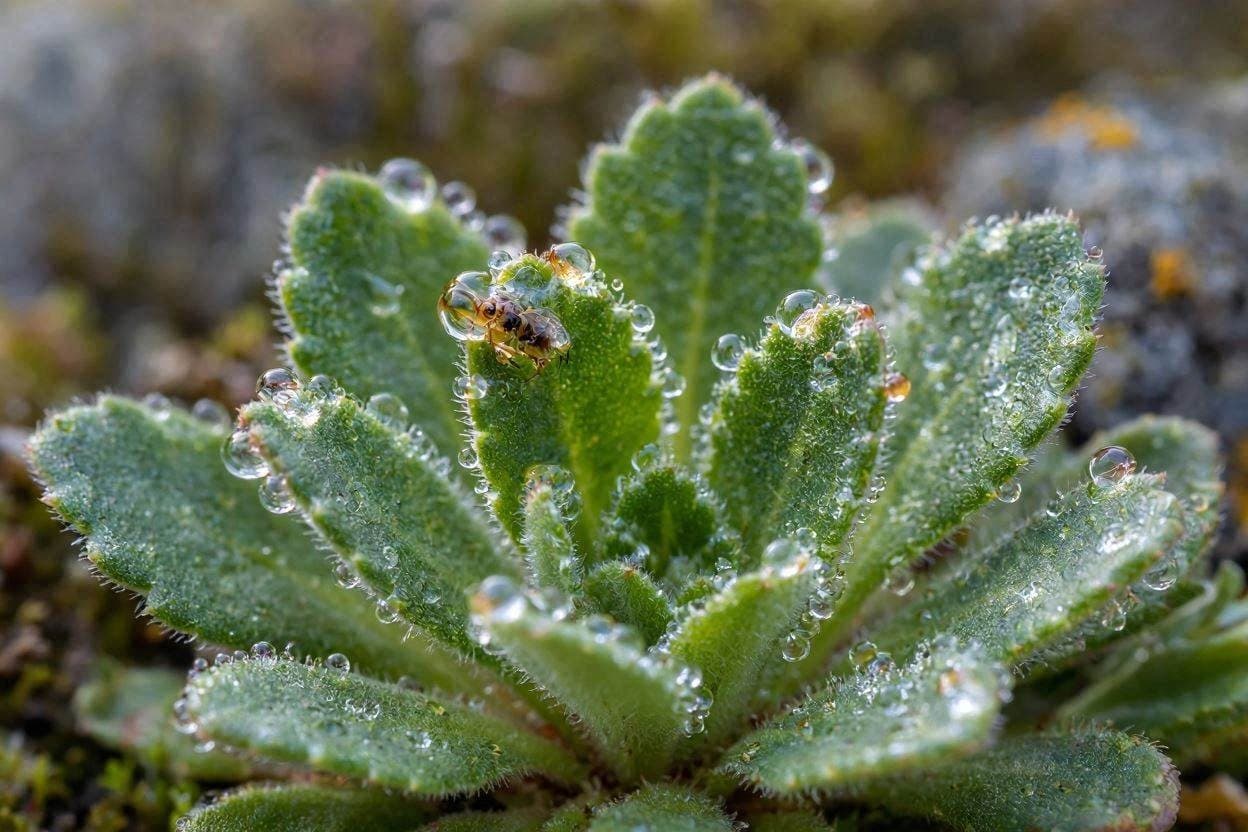
The discovery, published in early August 2026, reveals that Saxifraga candelabrum, a small alpine plant native to the Balkans, uses sticky glandular hairs on its leaves to trap and digest insects. Unlike the dramatic snap-traps of Venus flytraps, this plant employs a passive "flypaper" strategy, similar to sundews. The enzymes secreted by the glands break down the captured prey, allowing the plant to absorb nutrients in nutrient-poor soils. This adaptation provides a crucial survival advantage in harsh environments.
For decades, botanists debated whether Saxifraga species were truly carnivorous or merely incidental trappers of insects. Previous studies had shown that some species could absorb amino acids from dead insects, but evidence of active digestion was lacking. The new research used advanced genomic and biochemical techniques to confirm that S. candelabrum produces specific digestive enzymes, such as proteases and phosphatases, which are hallmarks of carnivory.
Darwin’s original interest in carnivorous plants stemmed from his fascination with how life adapts to extreme conditions. He conducted extensive experiments with sundews and other species, documenting their sensitivity and feeding mechanisms. His hypothesis about Saxifraga was based on morphological similarities to known carnivorous plants, a leap of logic that has now been proven correct. This validation highlights the importance of theoretical insight in guiding empirical research.
The identification of S. candelabrum as carnivorous expands our understanding of the diversity of plant diets. It suggests that carnivory may be more widespread in the plant kingdom than previously thought, with many species potentially hiding similar secrets. This discovery encourages botanists to re-examine other "ordinary" plants for hidden adaptive traits, potentially uncovering new examples of evolutionary innovation.
For the scientific community, this finding is a celebration of interdisciplinary collaboration. Geneticists, ecologists, and historians worked together to bridge the gap between Darwin’s 19th-century observations and modern molecular biology. It demonstrates how historical texts can still inspire contemporary research, creating a dialogue across centuries. The story of Saxifraga is a reminder that science is a cumulative endeavor, built on the foundations laid by predecessors.
The confirmation of Saxifraga candelabrum as a carnivorous plant is a victory for both Darwin’s legacy and modern science. It shows that even after 150 years, nature still holds surprises for those willing to look closely. As we continue to explore the botanical world, we may find that Darwin was right about more than just evolution.
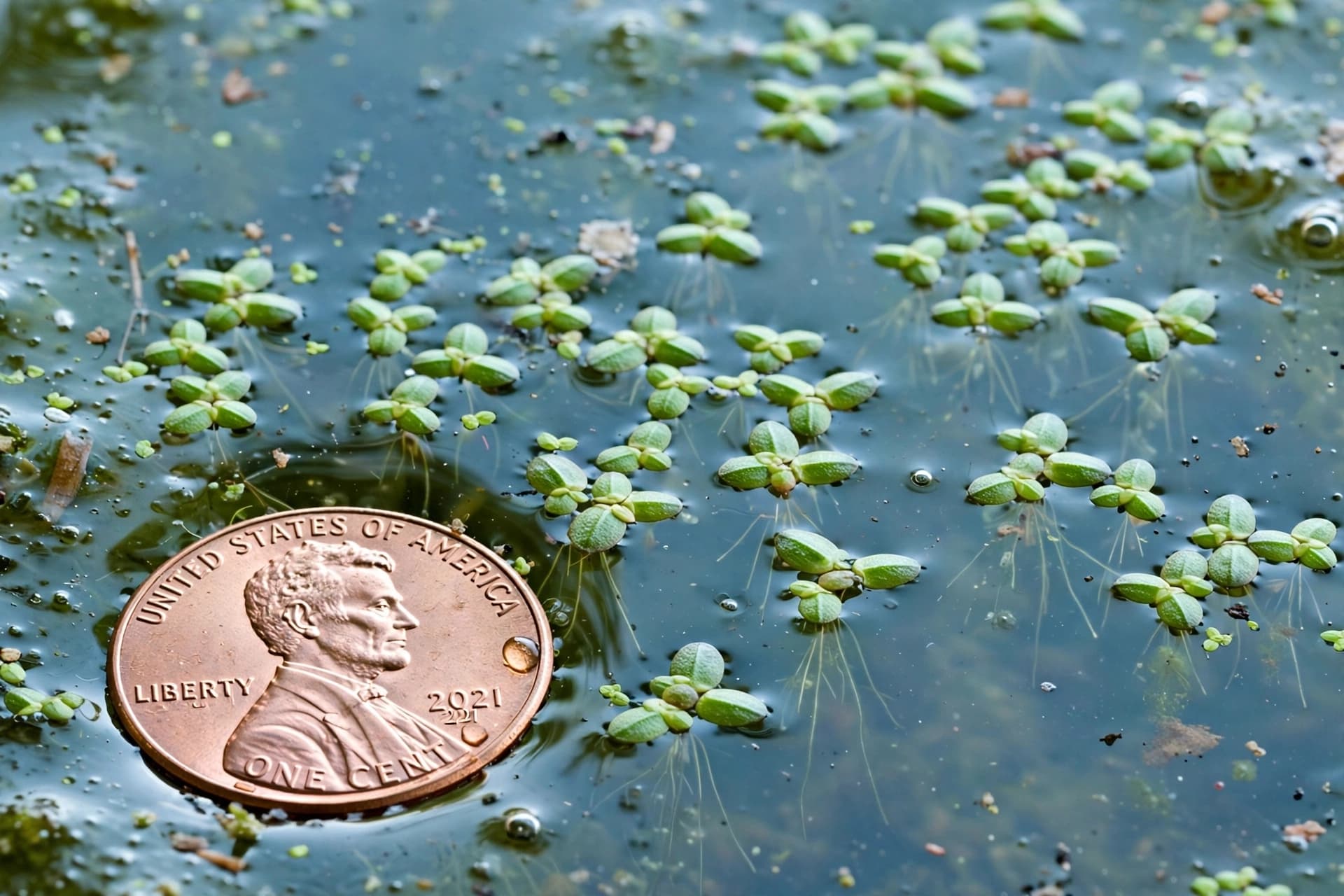
AI Image Disclaimer: Visuals associated with this article are AI-generated to capture the botanical and historical essence of the discovery.
Sources: CNN The New York Times Gizmodo
Published by Banx Network. This article is part of the Banx decentralized media programme, powered by the BXE token on the XRP Ledger.