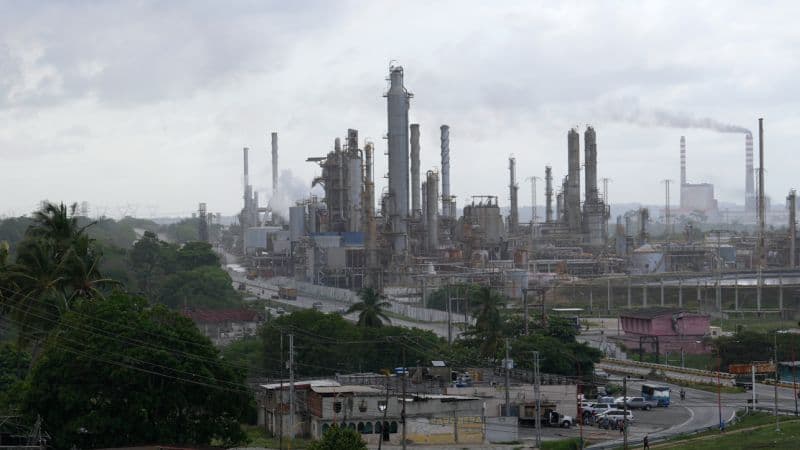
In a significant shift in policy, the United States has begun selling Venezuelan oil, a move aimed at easing the economic crisis gripping the nation while controlling the distribution of revenues derived from these transactions. This decision comes as Venezuela grapples with severe shortages and humanitarian issues, making access to funds critical for addressing the population's needs.
The U.S. government plans to oversee the profits from these oil sales, ensuring that the money is directed toward initiatives that will benefit ordinary Venezuelans rather than being siphoned off by the existing regime. This approach reflects a broader strategy to re-engage with Venezuela while promoting accountability in the use of oil revenue, a vital resource for the country.
Details surrounding the logistics of these sales and the specific measures for managing the profits have yet to be fully outlined. However, U.S. officials expressed optimism that this initiative could help stabilize the Venezuelan economy and lay the groundwork for future political dialogue aimed at resolving the ongoing crisis.
This decision has been met with mixed reactions. Supporters argue it will provide much-needed relief to struggling citizens, while critics worry about the implications it may have for U.S.-Venezuelan relations and the current government's response to increased economic engagement.
As developments unfold, stakeholders will be monitoring the impact of this initiative on both the Venezuelan populace and the geopolitical landscape in the region. The effectiveness of using oil revenues to improve living conditions and facilitate recovery will be a determining factor in the success of this new policy.
Published by Banx Network. This article is part of the Banx decentralized media programme, powered by the BXE token on the XRP Ledger.