Tensions between the United States and Iran surged again overnight, marking the first major military exchange in more than a month and raising concerns that the long‑running conflict in the Strait of Hormuz could intensify once more.
US Central Command confirmed that American forces carried out a targeted strike on two Iranian rocket launchers positioned on Larak Island, asserting that Iranian units were preparing to fire rockets equipped with sea mines into the strait. CENTCOM described the operation as a “limited, precise action” aimed at eliminating an imminent threat to commercial shipping and global trade routes. Iranian state media reported explosions near the island and acknowledged casualties among both military personnel and civilians. President Masoud Pezeshkian condemned the strike, insisting that while Iran does not seek war, it will respond decisively to any aggression. The Revolutionary Guards labeled the US action a “strategic and deadly mistake” and vowed retaliation.
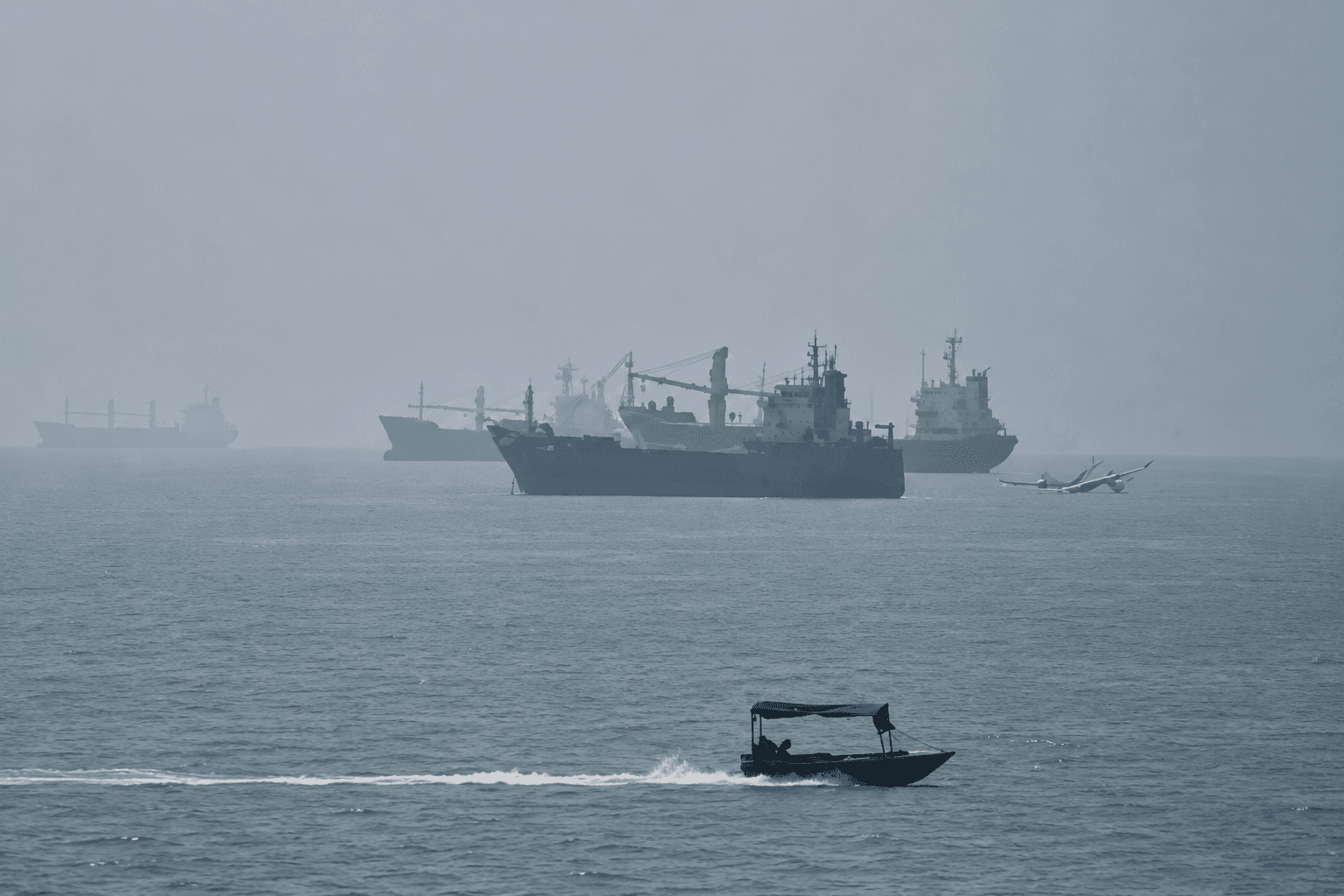
Hours later, Iran launched missiles toward US‑associated military sites in Jordan and the United Arab Emirates. Jordan’s armed forces said their air defenses intercepted eight missiles before they could cause damage. The UAE reported detecting a drone over its territorial waters and dismissed Iranian claims that a US‑linked base had been hit, calling the incident a “dangerous escalation” and reserving the right to respond. The confrontation comes shortly after President Donald Trump declared the Strait of Hormuz free of mines following a US‑led clearing operation. Trump warned that any attempt by Iran to deploy new mines would be met with immediate destruction. In a separate statement, he criticized Iran’s leadership as being in disarray and pledged that the US would “hit them hard” if provoked. For six months, the Strait of Hormuz has been the central battleground of a grinding conflict. Iran has asserted its authority through repeated strikes on vessels, while the US has maintained a military presence to keep shipping lanes open and enforce a blockade on Iranian ports. Despite intermittent diplomatic efforts, talks between Washington and Tehran have stalled, with the White House confirming no active negotiations.
Regional mediators — including Oman and Qatar — continue to push for a framework to restore safe maritime passage. UAE presidential adviser Anwar Gargash warned that the current “state of neither war nor peace” is unsustainable and urged realistic political solutions addressing both economic and security concerns.
The latest US strike is the first since late July, when American forces carried out a wave of attacks in response to an attempted strike on US positions. Recently, the Trump administration has shifted toward intensifying economic pressure on Iran, threatening sweeping secondary sanctions on foreign banks that maintain ties with Tehran. Treasury Secretary Scott Bessent signaled that new sanctions would be rolled out weekly.
Oil markets reacted immediately to the renewed hostilities. Brent crude rose 2.8% to $90.57 per barrel, while US crude climbed 2.7% to $85.64.
With both nations signaling readiness to defend their interests, regional governments are bracing for further escalation as the conflict enters yet another volatile phase.
Published by Banx Network. This article is part of the Banx decentralized media programme, powered by the BXE token on the XRP Ledger.