In the delicate architecture of international diplomacy, few structures are as fragile or as vital as a ceasefire agreement. The recent efforts by United States mediators to bring Israeli and Hamas representatives back to the negotiating table reflect the enduring complexity of the conflict in Gaza. As tensions rise and trust erodes, these talks aim not merely to pause the fighting but to salvage a broader peace framework that has faced significant hurdles in recent months.
The current diplomatic push comes at a critical juncture, following a period of stalled progress and renewed hostilities. The proposed plan, which envisions a phased approach to disarmament and reconstruction, requires a level of cooperation that has been difficult to sustain. Mediators are working tirelessly to bridge the gap between security concerns and humanitarian needs, seeking a path that offers stability for civilians while addressing the core political disagreements that have long fueled the conflict.
Central to these discussions is the issue of implementation. Previous agreements have faltered not because of a lack of intent, but due to challenges in verifying compliance and ensuring mutual safety. The US-led initiative seeks to introduce more robust monitoring mechanisms, involving international partners who can provide neutral oversight. This approach aims to build confidence among all parties, reducing the fear that concessions will be exploited rather than reciprocated.
For the people of Gaza, the stakes could not be higher. Years of displacement and hardship have created a deep longing for normalcy, yet skepticism remains high. Each round of talks carries the weight of these expectations, as communities look for tangible signs that peace is more than a distant promise. The humanitarian situation continues to demand urgent attention, with aid delivery often hindered by the very instability that negotiations seek to resolve.
Israel’s perspective is equally complex, balancing security imperatives with international pressure for a lasting resolution. Domestic political dynamics play a significant role in shaping the government’s stance, making flexibility a challenging commodity. Nevertheless, the willingness to engage in dialogue suggests a recognition that military solutions alone cannot secure long-term peace. The search for a sustainable arrangement requires navigating these internal pressures while maintaining external commitments.
Hamas, too, faces its own set of constraints and calculations. The group’s participation in talks is influenced by regional alliances, internal cohesion, and the immediate needs of the population it governs. Disarmament, a key component of the peace plan, represents a profound transformation that requires careful negotiation and guarantees. The success of these talks may depend on finding a formula that allows for gradual change without compromising perceived security interests.
The role of regional actors cannot be understated. Neighboring countries and international organizations are closely watching the proceedings, ready to support initiatives that promote stability. Their involvement provides a broader context for the bilateral talks, offering economic incentives and political backing that can strengthen the peace process. This multilateral engagement underscores the global interest in resolving a conflict that has repercussions far beyond the immediate region.
As the talks continue, the world watches with cautious hope. The path to peace is rarely linear, and setbacks are common. Yet, the persistence of dialogue itself is a testament to the belief that resolution is possible. By focusing on practical steps and mutual benefits, mediators hope to turn the tide from conflict toward cooperation, one difficult conversation at a time.
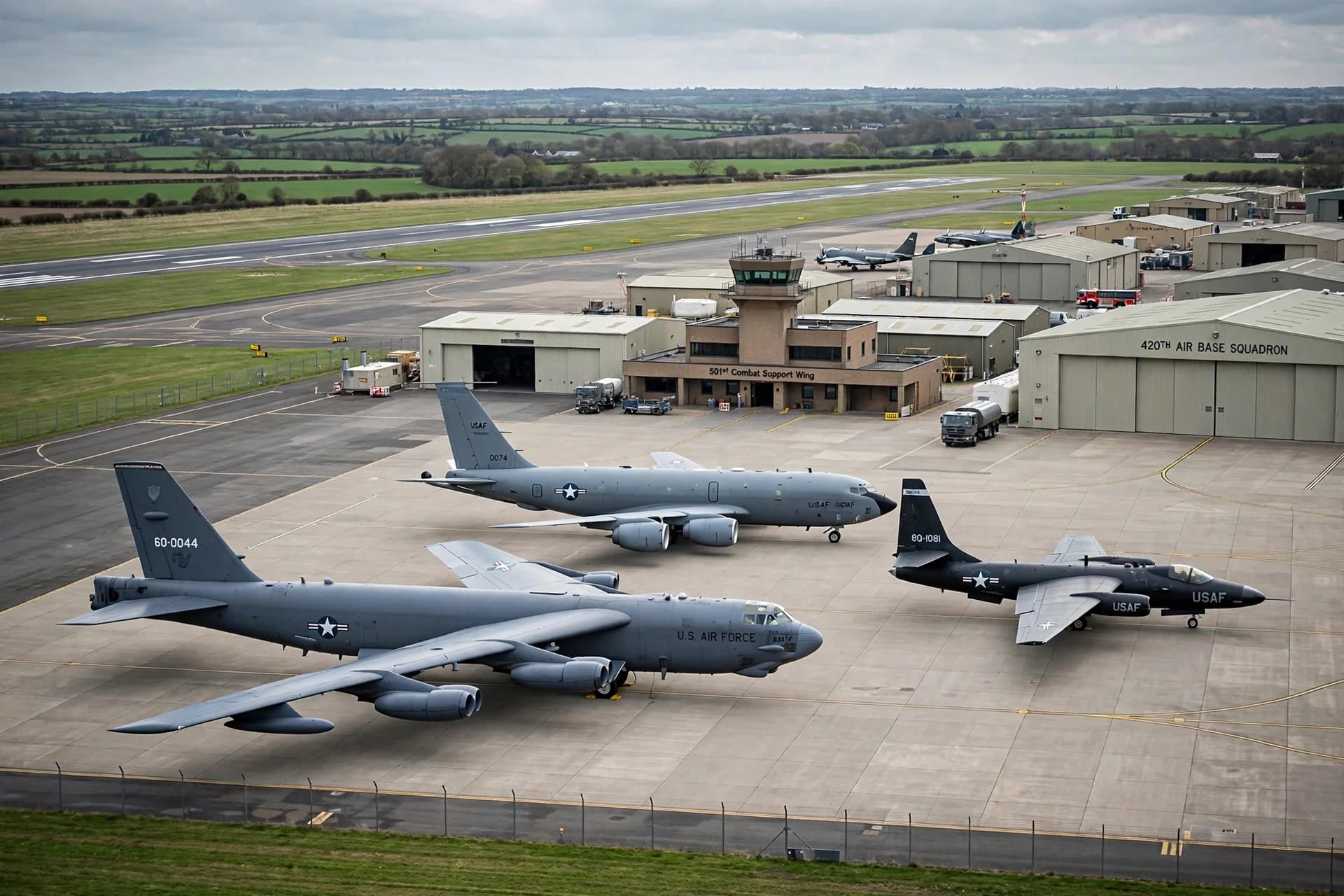
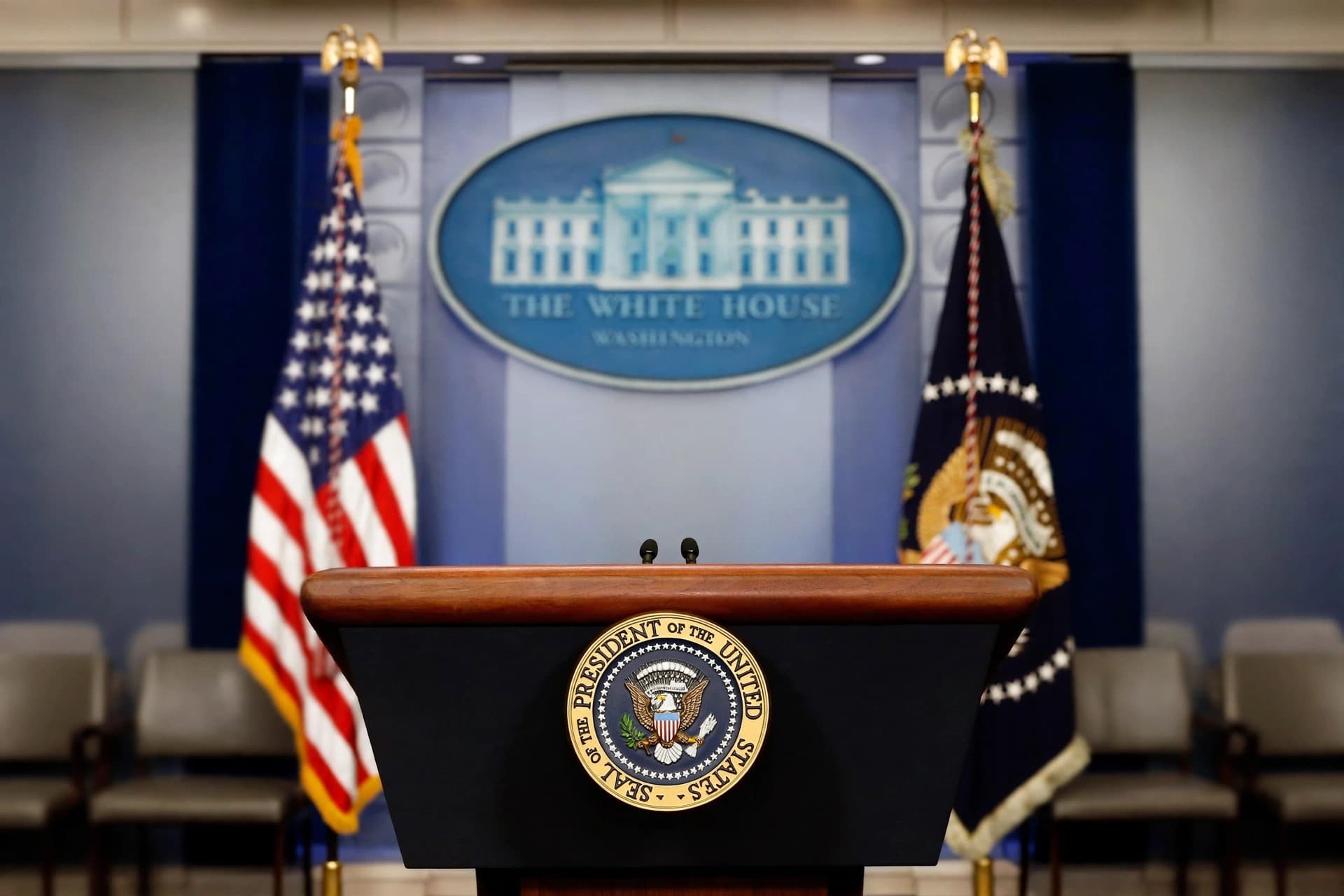
AI Image Disclaimer: The visual elements accompanying this article are AI-generated illustrations depicting diplomatic settings and symbolic gestures of peace, designed to complement the narrative of international mediation.
Sources: Council on Foreign Relations, Al Jazeera, The Guardian, Axios
Published by Banx Network. This article is part of the Banx decentralized media programme, powered by the BXE token on the XRP Ledger.