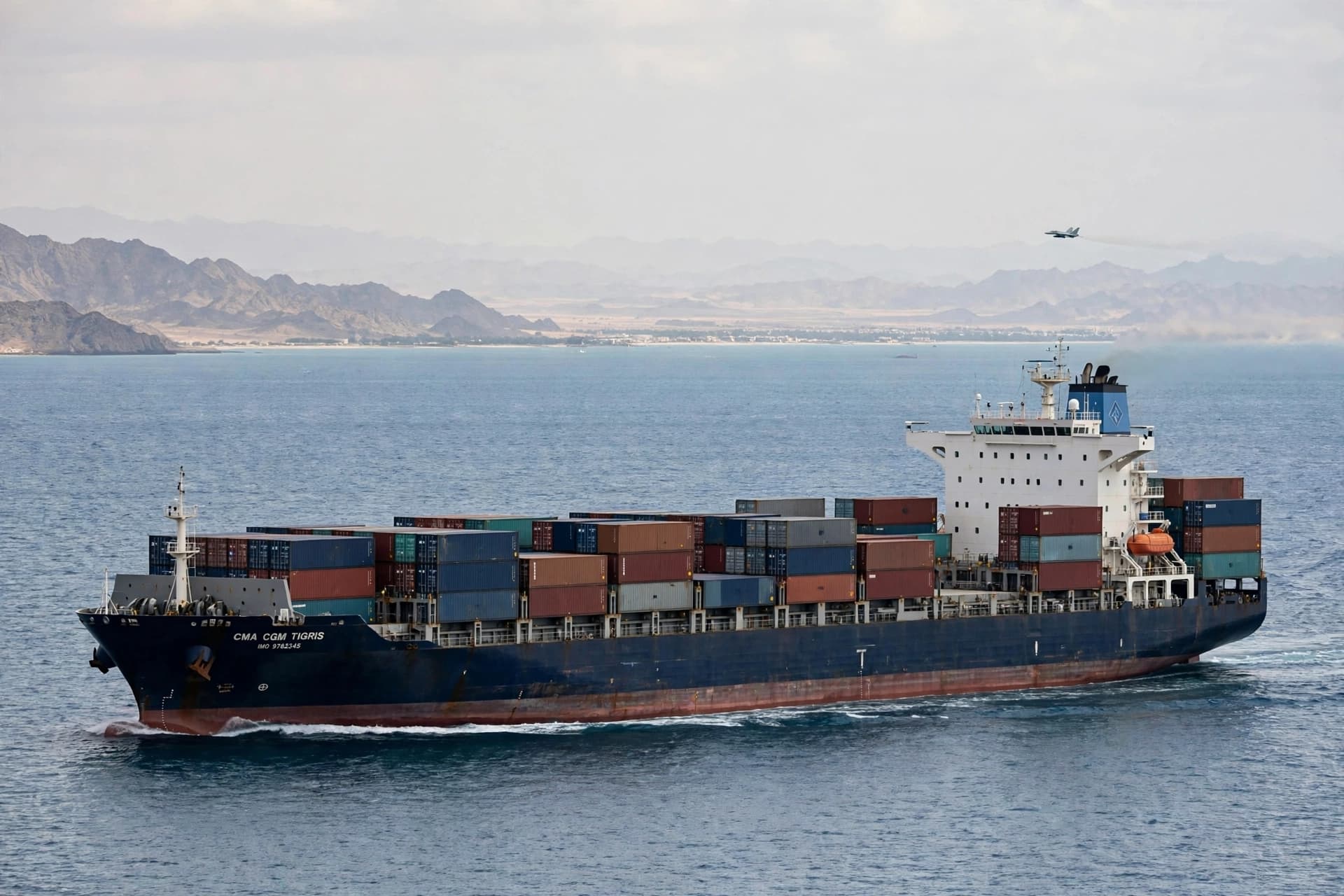
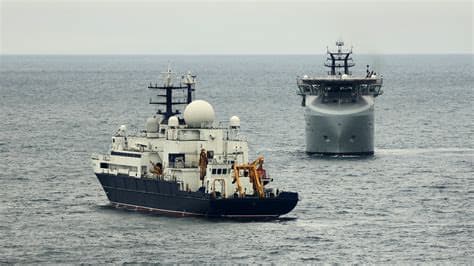
In a bold operation executed earlier this week, U.S. forces intercepted an oil tanker near the coast of Venezuela. The U.S. government has long expressed its intention to curb oil shipments from the sanctioned nation, aiming to undermine the Venezuelan economy that relies heavily on oil exports.
This interception is part of a wider strategy that former President Donald Trump had pledged to implement during his administration. The recent action demonstrates the ongoing enforcement of U.S. sanctions targeting the Maduro regime, which has been accused of widespread human rights abuses and corruption.
Sources indicate that the tanker was suspected of transporting oil to nations that are seeking to bypass U.S. sanctions. The U.S. Navy coordinated the operation in international waters, adhering to established maritime laws. Officials stated that the seizure of such tankers is intended to disrupt the flow of funds to the Venezuelan government, which is in dire straits amid economic turmoil.
The Venezuelan government has condemned the U.S. military's actions, labeling them as acts of aggression and a violation of international law. In response, Maduro's administration has vowed to safeguard its territorial waters and sovereignty.
While the U.S. administration maintains that these operations are crucial for global oil market stability and the enforcement of legal restrictions, critics argue that such actions could escalate tensions in the region further. As geopolitical dynamics continue to evolve, this incident underscores the complexity of U.S.-Venezuela relations and the multifaceted fight against illicit oil trafficking.
Published by Banx Network. This article is part of the Banx decentralized media programme, powered by the BXE token on the XRP Ledger.