In a shocking announcement, President Donald Trump declared that the United States has captured Venezuelan President Nicolás Maduro after a decisive military operation. The revelation, made on January 3, 2026, comes amid a backdrop of heightened tensions between the U.S. and Venezuela, where Maduro's regime has been criticized for human rights violations and economic mismanagement.
Trump claimed that the operation, involving coordinated efforts from U.S. special forces and intelligence agencies, was aimed at dismantling Maduro's stronghold and restoring democratic governance in Venezuela. "This strike marks a turning point in our commitment to support freedom and democracy throughout the region," Trump stated during a press conference.
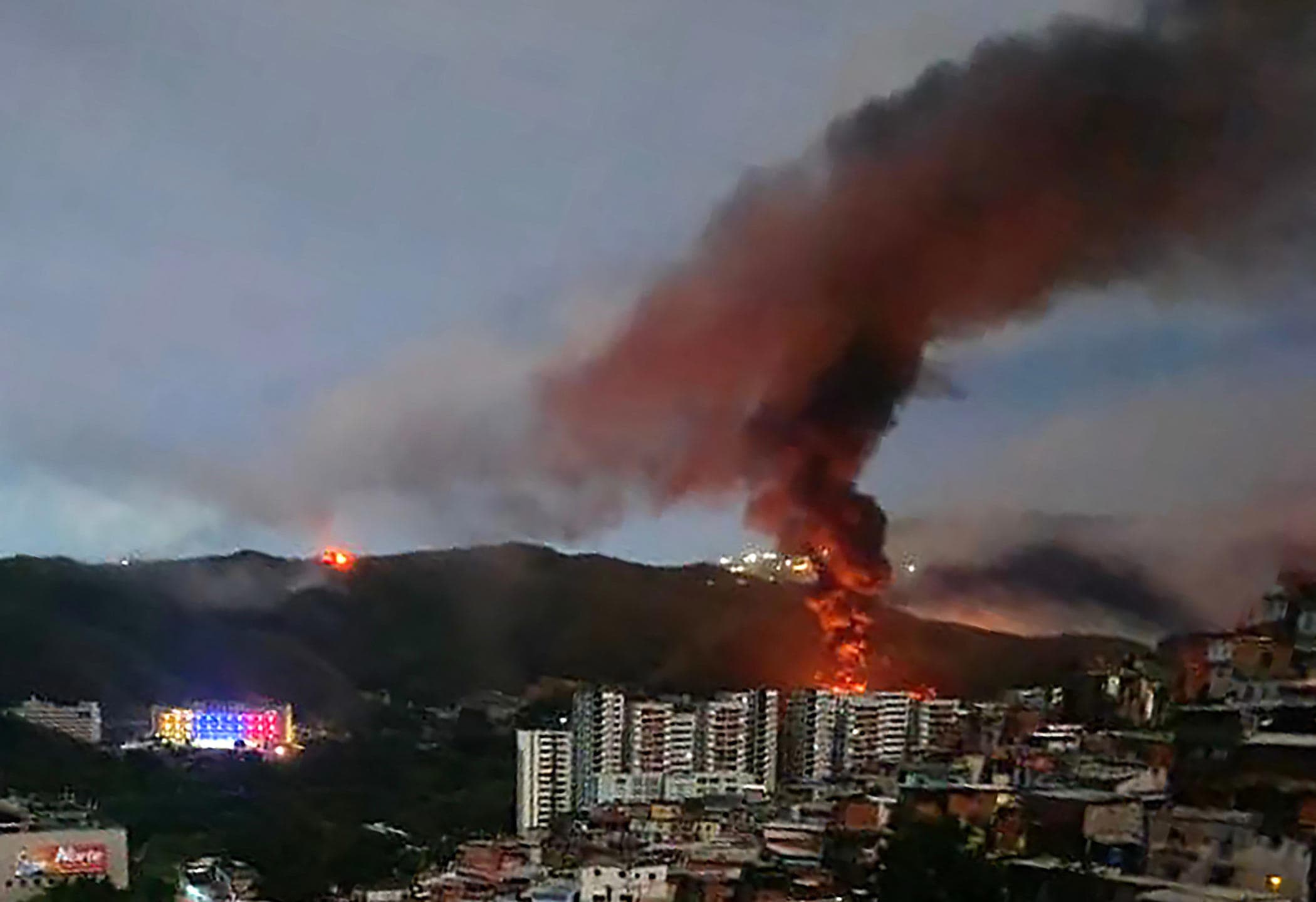
The operation reportedly involved air strikes and ground support aimed at key locations associated with Maduro's government. While details remain sparse, officials indicated that the mission was executed with minimal collateral damage, prioritizing the safety of civilians.
Reactions to the announcement have been mixed. Supporters of the operation have lauded it as a necessary step to combat authoritarianism, while critics express concerns about the implications of U.S. military intervention and its potential to escalate conflict in an already fragile region.
Venezuelan officials have yet to officially respond to the claims, but international observers are closely monitoring developments. The capture of Maduro could reshape the political landscape in Venezuela, raising questions about the future governance of the country and the role of international powers in its recovery.
As the situation evolves, the global community remains watchful, contemplating the far-reaching consequences of this unprecedented military action.
Published by Banx Network. This article is part of the Banx decentralized media programme, powered by the BXE token on the XRP Ledger.