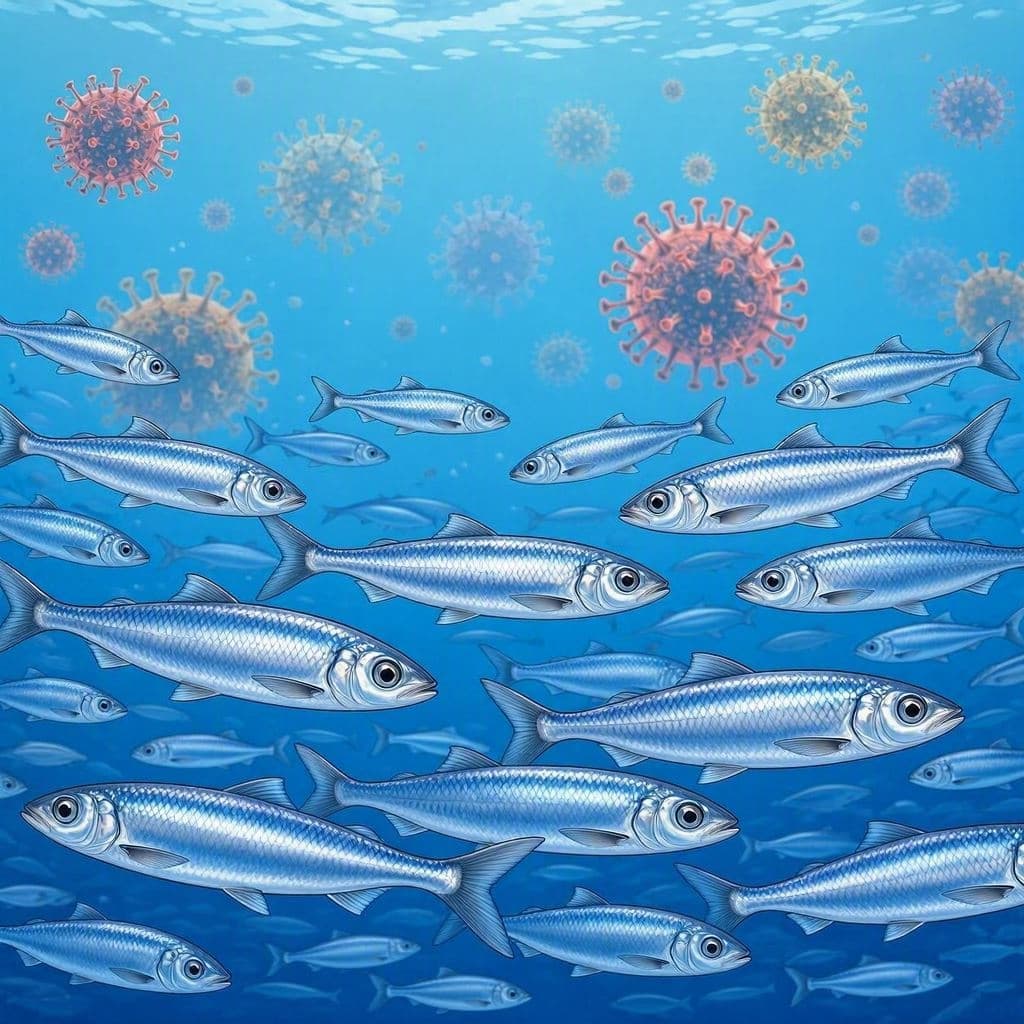
The ocean is often perceived as an endless expanse of life, a blue wilderness where vitality seems inexhaustible. Yet, beneath the surface, delicate balances can shift with startling suddenness, turning abundance into silence. Off the coast of South Africa, the recent mass mortality of sardines has stirred both scientific curiosity and public concern. It is a reminder that even the most prolific species are vulnerable to invisible threats, and that the health of our marine ecosystems is far more fragile than it appears from the shore.
The sight of thousands of small, silver fish washing ashore is a poignant spectacle, evoking a sense of loss that extends beyond economics or ecology. It prompts questions about the hidden dynamics of the underwater world, where microscopic agents can wield disproportionate power. As researchers delve into the cause, they are not just solving a biological puzzle but also safeguarding the future of a vital food source and a key component of the marine food web.
Initial investigations have pointed toward a potential viral culprit, specifically a member of the herpesvirus family. While herpesviruses are commonly associated with human ailments, they are also prevalent in the animal kingdom, affecting a wide range of species including fish. In sardines, this particular virus may remain dormant under normal conditions, only becoming lethal when environmental stressors weaken the immune systems of the host population. This interplay between pathogen and environment is complex, requiring careful study to unravel.
South Africa’s sardine fisheries are economically significant, supporting livelihoods and contributing to national food security. The sudden decline in stock raises alarms for local communities who depend on the sea for their sustenance. Beyond the immediate economic impact, the loss of such a large biomass disrupts the food chain, affecting predators like seabirds, seals, and larger fish that rely on sardines as a primary food source. The ripple effects of this event could be felt throughout the coastal ecosystem for years to come.
Environmental factors likely played a contributory role in this outbreak. Changes in water temperature, salinity, or pollution levels can stress fish populations, making them more susceptible to disease. The Benguela Current, which drives the rich upwelling along the South African coast, is known for its variability. When these natural cycles shift, they can create conditions that favor the spread of pathogens, turning a manageable presence into a catastrophic event.
Scientists are currently conducting necropsies and genetic sequencing to confirm the viral link. This process is meticulous and time-consuming, requiring collaboration between marine biologists, virologists, and fisheries experts. Their work is crucial not only for understanding this specific incident but also for developing strategies to monitor and mitigate future outbreaks. Early detection and rapid response are key to managing such crises in open-water environments.
The investigation also highlights the importance of ongoing marine health monitoring. Regular sampling and data collection can provide early warnings of emerging threats, allowing for proactive measures rather than reactive cleanup. This approach requires sustained investment in scientific infrastructure and international cooperation, as marine diseases do not respect national boundaries.
Public awareness and engagement are also vital components of the response. Fishermen and coastal residents are often the first to notice changes in marine life, making them valuable partners in data collection. By fostering a collaborative relationship between scientists and local communities, researchers can gain deeper insights into the patterns and causes of marine mortality events.
As the investigation continues, the focus remains on understanding the root causes and preventing recurrence. The mass death of sardines is a sobering reminder of the interconnectedness of life in the ocean and the need for vigilant stewardship. By addressing both the biological and environmental factors at play, we can hope to preserve the resilience of these vital marine populations for future generations.
AI Image Disclaimer: Please note that any visual accompaniments to this article are AI-generated interpretations designed to reflect the scientific and ecological themes, not actual photographs of the event.
Sources: Nature News BBC Science The Conversation
Published by Banx Network. This article is part of the Banx decentralized media programme, powered by the BXE token on the XRP Ledger.