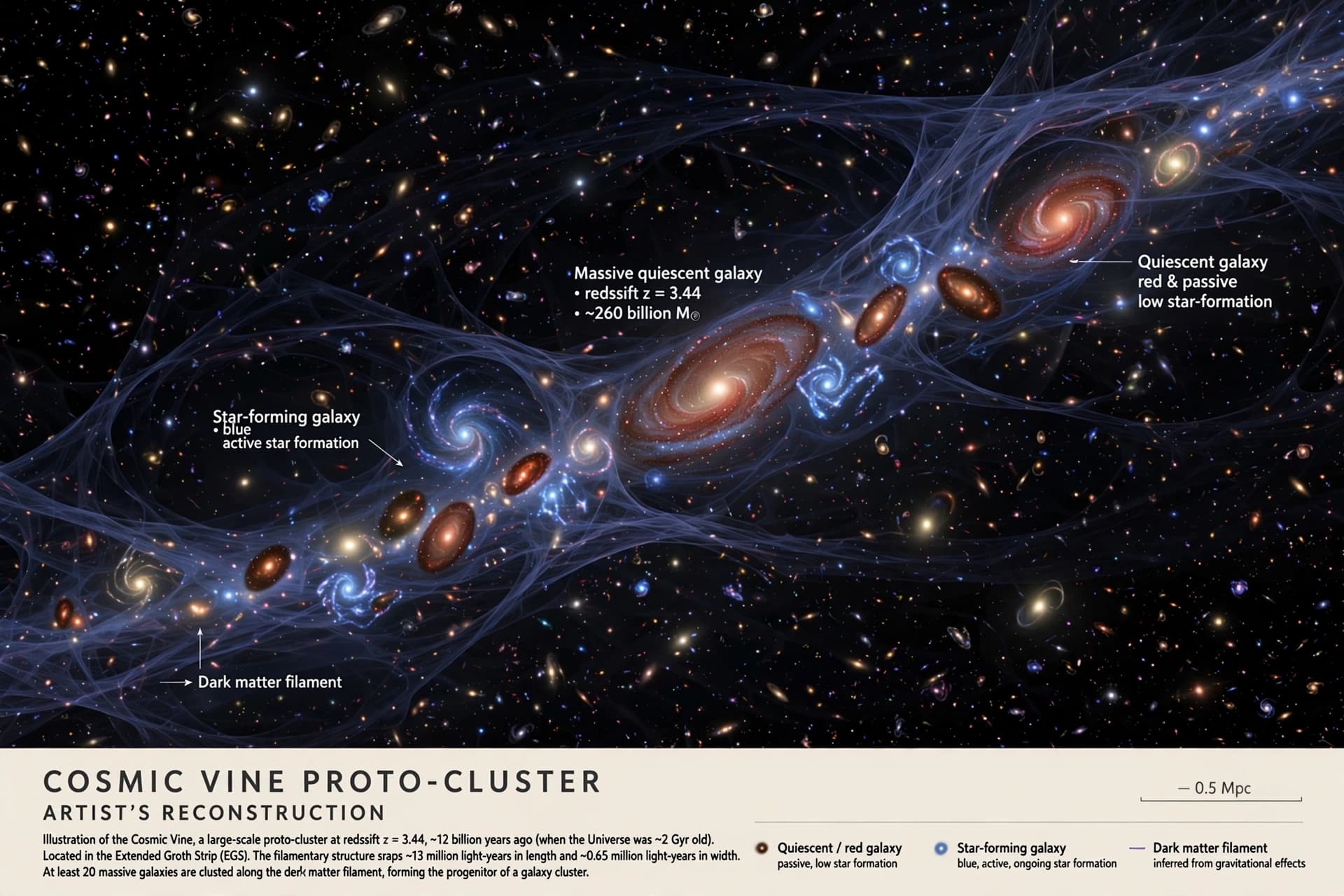
The web of life is woven from countless threads, each dependent on the other for strength and continuity. At the heart of this intricate tapestry lies habitat—the physical space where species eat, sleep, breed, and thrive. Recently, a significant legal shift has removed federal protections for critical habitats of endangered species, making it no longer illegal to destroy these vital environments under certain circumstances. This change is not merely a regulatory adjustment; it is a profound alteration of the safety net that has protected vulnerable wildlife for decades. It invites reflection on the balance between economic development and ecological preservation, and the long-term consequences of loosening the bonds that hold our natural world together.
Body: The Endangered Species Act, passed in 1973, has long been considered the gold standard of conservation law. A key component of this legislation was the designation of "critical habitat," areas essential for the conservation of listed species. By prohibiting the destruction or adverse modification of these zones, the law provided a shield against unchecked industrial expansion. For many species, from the spotted owl to the Florida panther, this protection was the difference between recovery and extinction. It was a promise that society would safeguard the foundations of biodiversity.
The recent regulatory changes argue that previous rules were overly broad and imposed unnecessary burdens on landowners and businesses. Proponents suggest that streamlining these regulations will spur economic growth and reduce bureaucratic red tape. They contend that conservation can be achieved through voluntary incentives and state-level management rather than federal mandates. This perspective prioritizes local autonomy and market-driven solutions, reflecting a shift in philosophical approach to environmental stewardship.
However, conservationists warn that removing these protections leaves endangered species exposed to immediate threats. Habitat loss remains the primary driver of extinction worldwide. Without legal barriers, developers may proceed with projects that fragment or destroy ecosystems, leaving animals with nowhere to go. The cumulative effect of small losses can be devastating, pushing fragile populations past the point of no return. It is a risk that nature, once broken, may not easily repair.
The impact extends beyond individual species to entire ecosystems. Habitats provide services such as water filtration, carbon sequestration, and pollination, which benefit humans as well. Destroying these areas can lead to broader environmental degradation, affecting air quality, soil health, and climate resilience. The interconnectivity of nature means that harming one part often harms the whole. Protecting habitat is, therefore, an investment in human well-being.
Legal challenges are expected as environmental groups seek to overturn the new rules. They argue that the changes violate the spirit and letter of the Endangered Species Act, undermining its core purpose. The courts will play a crucial role in determining the future of these protections. This judicial battle highlights the ongoing tension between regulatory authority and private property rights. It is a debate that defines the boundaries of public responsibility.
Public opinion on the issue is divided. Some view the changes as a necessary correction to government overreach, while others see them as a betrayal of conservation principles. Education and awareness campaigns aim to highlight the value of biodiversity and the risks of deregulation. Engaging citizens in this conversation is essential for building a consensus on how to manage natural resources. It requires dialogue and mutual understanding.
As the policy takes effect, monitoring its impact will be critical. Scientists and advocates will track population trends and habitat conditions to assess the real-world consequences. Data will inform future decisions, potentially leading to further adjustments or restorations of protection. The story of endangered species is still being written, and every chapter matters.
Closing: In the end, the removal of critical habitat protections marks a pivotal moment in American conservation. It challenges us to reconsider our priorities and the value we place on the natural world. As we move forward, the hope is that we will find ways to balance progress with preservation, ensuring that the threads of life remain intact for future generations.
AI Image Disclaimer: Please note that any accompanying visuals for this narrative are artificially generated interpretations meant to evoke the spirit of the story, not documentary evidence.
Sources: The New York Times National Wildlife Federation U.S. Fish and Wildlife Service
Published by Banx Network. This article is part of the Banx decentralized media programme, powered by the BXE token on the XRP Ledger.