In the quest for sustainable energy, nature often provides the most elegant solutions. Algae, those humble microscopic organisms that float in ponds and oceans, have long been recognized for their ability to convert sunlight into biomass. However, harnessing this potential for fuel production has been a challenge of efficiency and scale. Now, by combining biological engineering with artificial intelligence, scientists are unlocking the secrets of algal productivity, identifying exactly which cells are contributing most to fuel generation and how to optimize their performance.
Algae produce lipids, or oils, that can be converted into biofuels. But not all algae are created equal. Within a single culture, there is significant variation in how much oil individual cells produce. Traditionally, measuring this variation was difficult and time-consuming, requiring bulk measurements that averaged out the differences. This lack of granularity made it hard to identify the most productive strains or conditions.
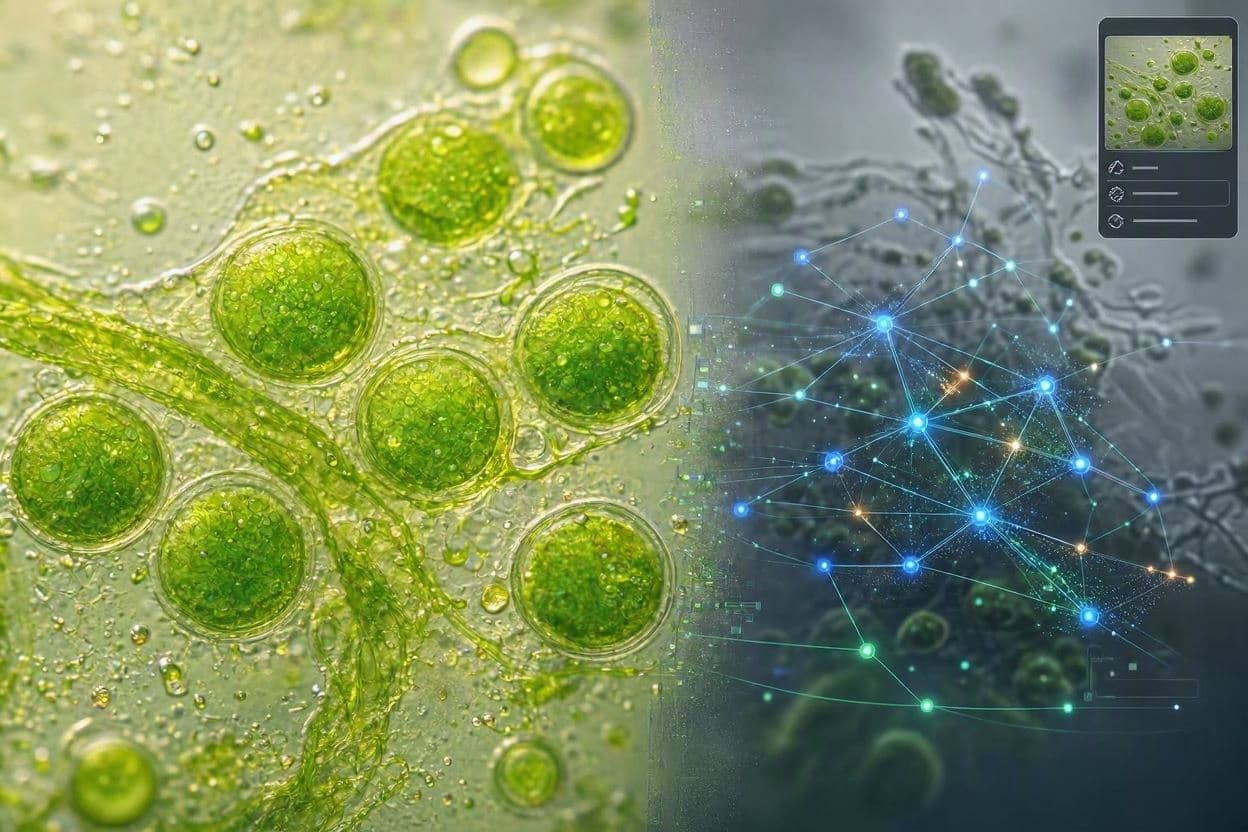
Enter artificial intelligence. By using machine learning algorithms to analyze high-resolution images of algal cultures, researchers can now assess the lipid content of individual cells. The AI system learns to recognize visual cues associated with high oil production, such as changes in cell size, shape, or fluorescence. This allows for a rapid and non-destructive evaluation of thousands of cells, providing a detailed map of productivity within the population.
This precision enables scientists to select the best-performing cells for breeding and cultivation. Instead of relying on trial and error, they can use data-driven insights to guide their efforts. By focusing on the cells that are "pulling their weight," researchers can develop strains that are naturally more efficient at producing fuel. This targeted approach accelerates the development of viable algal biofuel technologies.
Moreover, the AI model can identify environmental factors that influence productivity. By correlating cell performance with variables like light intensity, nutrient levels, and temperature, the system can recommend optimal growing conditions. This holistic view ensures that the algae are not only genetically predisposed to produce oil but are also supported by the right environment to maximize their output.
The implications for renewable energy are significant. Algal biofuels offer a carbon-neutral alternative to fossil fuels, as the carbon dioxide absorbed by the algae during growth is released when the fuel is burned. By improving the efficiency of this process, we can make algal fuel more competitive with traditional energy sources. It represents a step toward a circular economy, where waste products are minimized and resources are used sustainably.
This collaboration between biology and technology also highlights the power of interdisciplinary research. Biologists provide the understanding of cellular processes, while computer scientists offer the tools to analyze complex data. Together, they create a synergy that neither could achieve alone. It is a model for future scientific endeavors, where diverse expertise converges to solve pressing global challenges.
As the technology matures, it may lead to large-scale algal farms that contribute significantly to the energy grid. These facilities could be located in areas unsuitable for traditional agriculture, using seawater and sunlight to produce fuel without competing with food crops. It is a vision of harmony between human needs and natural systems.
The journey from microscopic cell to usable fuel is complex, but with the help of AI, it is becoming increasingly manageable. By revealing the hidden efficiencies within algal populations, scientists are paving the way for a cleaner and more sustainable energy future. It is a testament to the potential of smart technology to enhance natural processes.
The integration of AI in algal biofuel research marks a significant advancement in sustainable energy technology. By identifying high-performing cells and optimizing growth conditions, scientists are improving the viability of algae as a fuel source. This innovation offers hope for a future where renewable energy is both efficient and environmentally responsible.
AI Image Disclaimer: Visuals for this article are AI-generated representations designed to illustrate the intersection of microscopic algae and artificial intelligence analysis.
Sources: Nature Energy Biotechnology for Biofuels MIT Technology Review
Published by Banx Network. This article is part of the Banx decentralized media programme, powered by the BXE token on the XRP Ledger.