In the heart of South America, paleontologists have uncovered the remains of a dinosaur previously unknown to science. The discovery, named *Joaquinraptor casali*, offers a striking new glimpse into the ecosystems that existed roughly 66 million years ago, just before the end of the age of dinosaurs.
The fossil remains tell a compelling story of both life and death. Among the preserved bones was the humerus of an ancient crocodile, still clenched in the raptor’s jaws. Scientists believe this may have been the predator’s final meal, a frozen snapshot of survival at the brink of extinction. Such rare findings are invaluable to researchers, as they capture not only anatomy but also behavior, illuminating predator-prey dynamics of the late Cretaceous period.
Measuring about seven meters in length and weighing over a ton, Joaquinraptor stood as an apex predator in its environment. Researchers estimate the animal was approximately nineteen years old at the time of its death, suggesting it lived to full maturity. Its reconstructed skeleton revealed skull fragments, vertebrae, and claws—including one claw as long as a human forearm—that emphasize both its physical dominance and evolutionary adaptations for hunting.
Beyond its sheer size, the discovery underscores the diversity of predatory dinosaurs in South America during this era. Scientists have noted that while North America produced iconic predators such as *Tyrannosaurus rex*, the southern continent harbored its own formidable hunters, each uniquely adapted to the landscapes of ancient Patagonia. Joaquinraptor adds to this narrative, broadening our understanding of how different lineages thrived before the mass extinction event.
For paleontologists, each fossil is more than a relic—it is a story in fragments. Joaquinraptor’s discovery demonstrates how careful reconstruction and context can animate bones into a picture of ancient life. The predator’s final encounter with its crocodilian prey captures a moment of tension and survival that resonates across millions of years, bridging the distance between our present and a world that no longer exists.
As research continues, scholars suggest that Joaquinraptor may reshape existing theories about the distribution of large raptors in the southern hemisphere. Future studies are expected to focus on its evolutionary relationships, hunting strategies, and role in the broader Cretaceous food chain. With every new fossil unearthed, the prehistoric world becomes less abstract and more vividly real.
The unearthing of Joaquinraptor reminds us that the Earth still holds secrets buried beneath its surface. Each discovery not only enriches scientific knowledge but also deepens humanity’s connection to the planet’s deep past, where creatures of extraordinary power once roamed freely.
This article is based on reporting from National Geographic, Nature, Scientific American, and The New York Times.
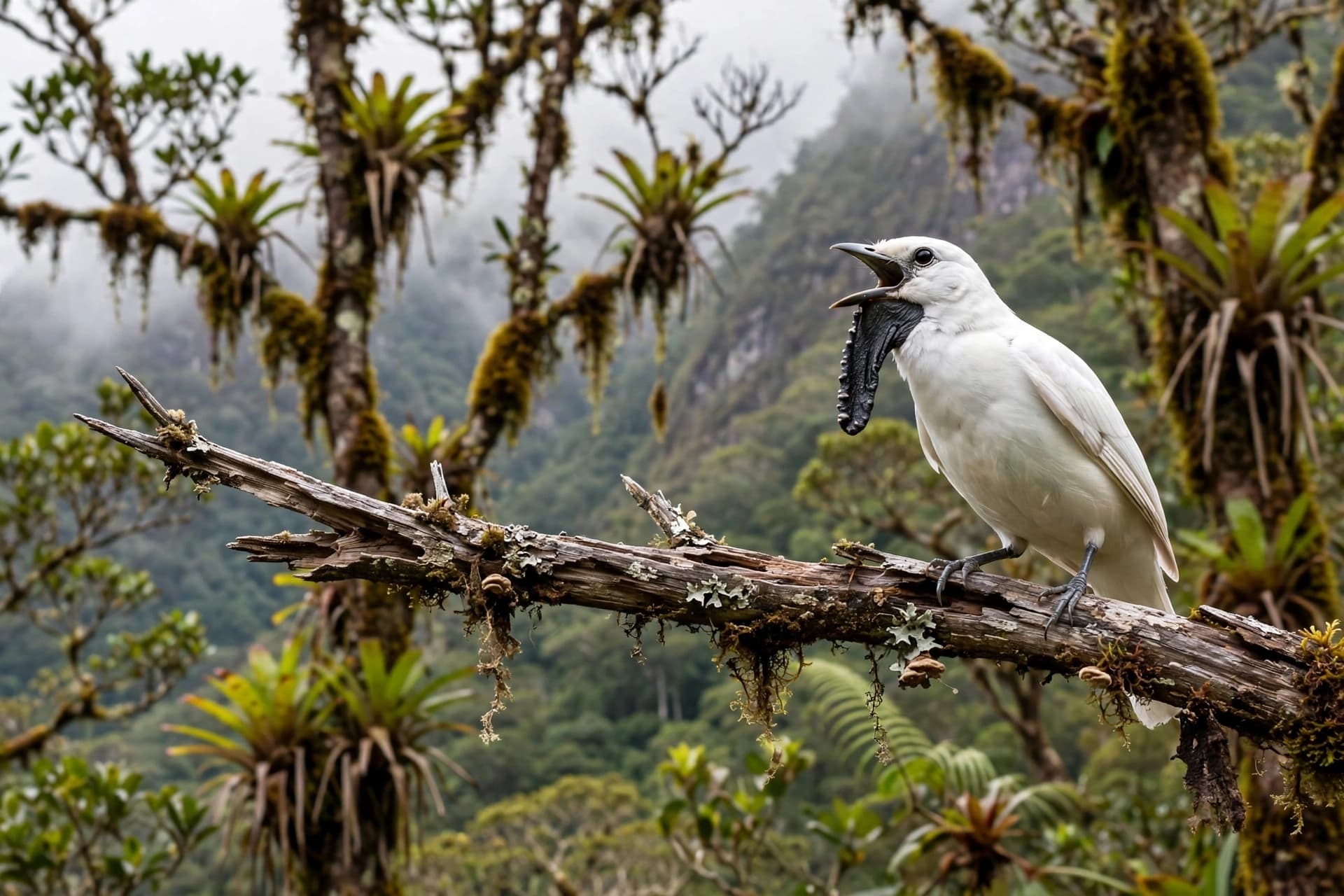
Disclaimer The featured images were created with Meta AI and may contain errors or representations that are not fully accurate.
Published by Banx Network. This article is part of the Banx decentralized media programme, powered by the BXE token on the XRP Ledger.