Key Highlights
- Incident:A Learjet 60 crashed in South Florida, killing all nine aboard.
- Discovery:Tail components found over a mile from the crash site indicate in-flight breakup.
- Investigation:NTSB is examining weather conditions and structural failure as potential causes.
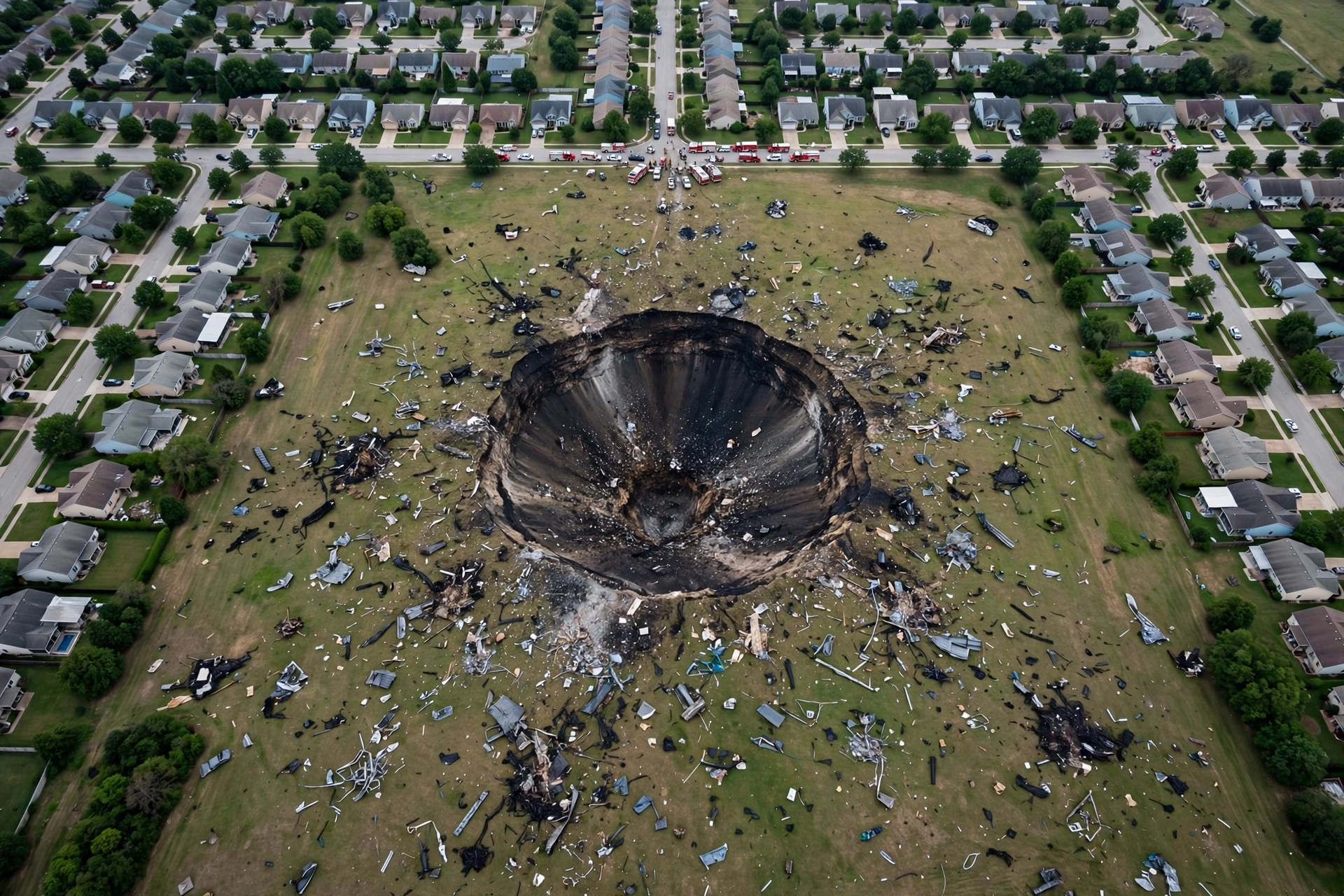
The recent crash of a Learjet 60 in South Florida has raised significant questions about the circumstances leading to the tragic event. All nine individuals on board lost their lives when the aircraft went down near Palm Beach, creating a large crater and scattering debris across the area. Investigators have since uncovered crucial evidence suggesting that the plane began to break apart in mid-air, long before it made contact with the ground.
The National Transportation Safety Board (NTSB) confirmed that the aircraft's elevator, a critical component for controlling pitch, was discovered in three separate pieces scattered over a distance of approximately two to six kilometers from the crash site. NTSB member Tom Chapman stated that it seems unlikely the damage occurred solely upon impact, indicating that the parts likely separated during flight. This loss of control would have severely hindered the pilot's ability to manage the aircraft, particularly in the moments leading up to the crash.
The Learjet was en route to the Bahamas when it encountered severe weather conditions associated with a powerful storm system sweeping through Florida. The plane went down approximately eleven kilometers southwest of Palm Beach, with the impact creating a significant crater and dispersing debris over a wide area. The investigation faced challenges, including the need to remove a utility pole to access the wreckage, and the force of the crash likely resulted in many components being fragmented.
Aviation experts are currently analyzing the implications of the tail component separation. Preliminary assessments suggest that the breakup may have been due to structural failure, potentially exacerbated by the extreme weather conditions the aircraft faced. The storm system that affected the region brought unprecedented rainfall, with some areas experiencing up to twenty-eight inches in just thirty-six hours, an event classified as a 1-in-1,000-year occurrence. Investigators will need to determine whether these weather conditions played a role in the aircraft's structural integrity.
The timing of the crash coincided with Election Day voting, complicating emergency response efforts amidst the broader weather emergency. The NTSB's investigation will be thorough and methodical, with a preliminary report anticipated within a month. However, a final determination of the cause may take over a year. The tail components, now in the custody of investigators, represent the initial pieces of a complex puzzle that ultimately ended in tragedy.
For the families of the nine victims, the slow progression of the investigation offers little solace. They are left waiting for answers about what caused the plane to break apart—whether it was due to adverse weather, mechanical failure, or another factor. The investigation aims to provide clarity through evidence and analysis, acknowledging that while answers may not bring back their loved ones, they are nonetheless essential for understanding the events that transpired.
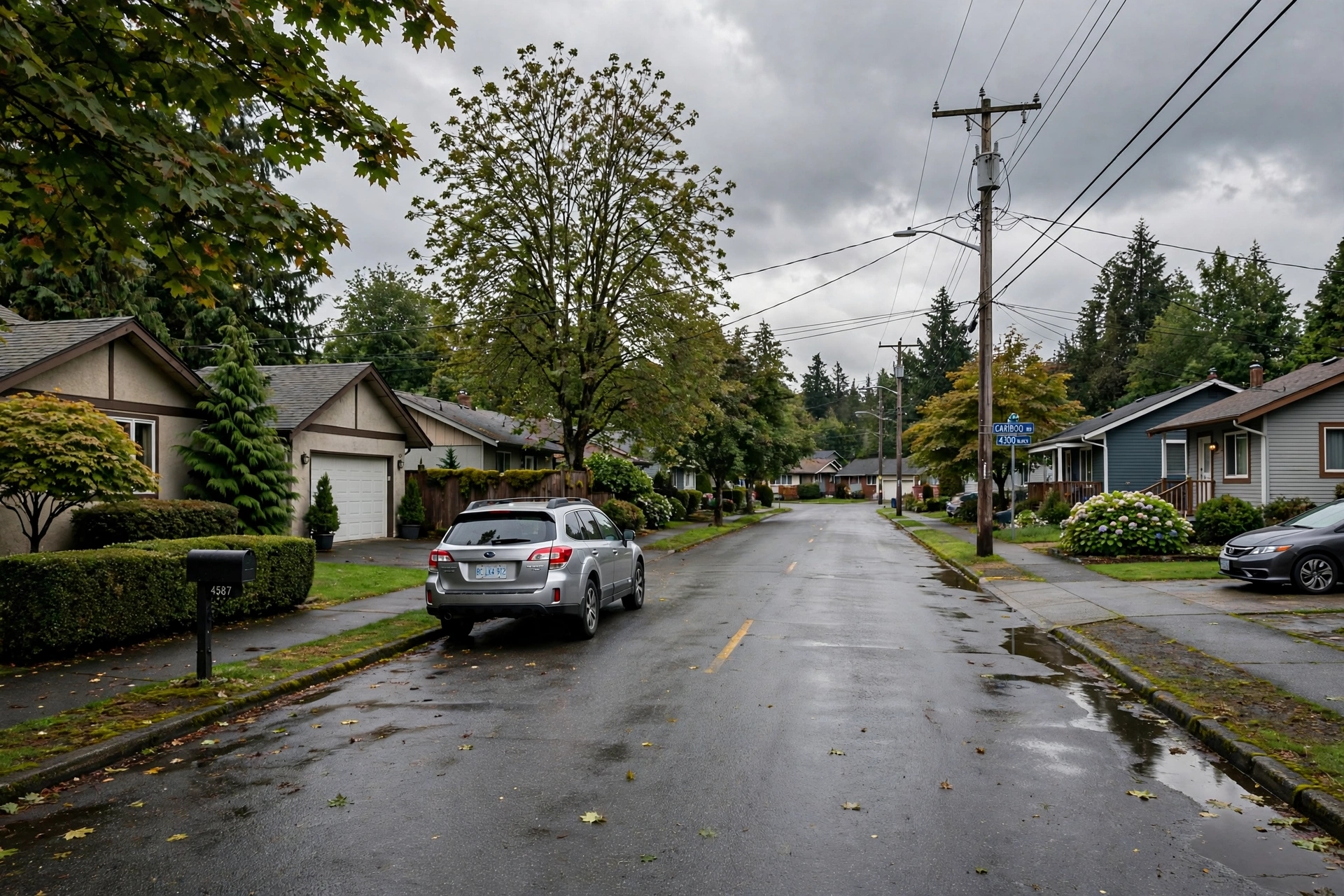
AI Image Disclaimer: The visuals in this article are generated by artificial intelligence and are intended for illustrative purposes only; they do not depict the actual aircraft, the crash site, or the individuals involved.
Published by Banx Network. This article is part of the Banx decentralized media programme, powered by the BXE token on the XRP Ledger.