In the early hush of Ukrainian mornings, when the first pale light drifts through windows once bright with the promise of another day, there is a quiet that feels heavier than usual. In towns and cities from the Carpathians to the steppes, the rhythms of daily life — children’s laughter in playgrounds, the soft stir of parents tending breakfast — carry a gentler, more uncertain cadence. These sounds, once reliable as the turning of seasons, now seem tempered by deeper tides of history and human motion. For Ukraine, as it marks the fourth anniversary of a war that has reshaped its landscape and its people, there is another kind of horizon shifting: the echo of fewer footsteps in the nursery and fewer lullabies in the dawn‑light.
Analysts and demographers have noted that Ukraine’s birth rate — the average number of children a woman is expected to have over her lifetime — has fallen to less than one, a level far below the threshold needed to sustain a population over generations. This stark decline comes not only from years of demographic change but from the profound disruptions of conflict, displacement, and uncertainty that have touched nearly every household. The war’s toll — measured in the lives lost, the families uprooted, and the economy strained — now runs also through the quiet ledger of births.
For decades before the conflict’s outbreak in 2022, Ukraine’s birth rate was already among the lowest in Europe. Young people often moved abroad in search of opportunity, and many couples postponed parenthood for economic reasons. But the outbreak of full‑scale war accelerated these trends. Millions of Ukrainians — predominantly women and children — left the country, seeking safety and stability elsewhere. Those who remain have often faced the double burden of making ends meet while living with the daily reality of uncertainty that can make plans for the future feel distant.
Inside the country, the impacts ripple through communities. Front‑line losses are not only measured in uniformed personnel but in the absence of those who might have shaped families and towns in the years ahead. Public health experts and demographers speak of a “collapse” in fertility — a term that evokes not just statistics but the deeper human consequence of war on bodies, hopes, and the quiet rhythms of life. With birth rates dipping below one child per woman, Ukraine’s population dynamics are now marked by an imbalance where deaths exceed births — a reversal of the natural growth that once defined generations.
Yet amid these sober figures, life persists. In maternity wards that once echoed with the cries of newborns, there are still births and family celebrations, moments of joy and resilience that bloom even against the backdrop of hardship. For some families, bringing a child into the world in wartime is an act of hope and determination — a testament to faith in the future even when the path to it feels fraught with challenge.
As the morning light widens and the patterns of everyday life resume their familiar pulse, the contours of this demographic story settle into view with clarity. Ukraine’s birth rate has fallen sharply during the course of the war, with the average number of children per woman now below one. This decline, compounded by the loss of lives and the migration of many young adults, underscores the scale of the demographic challenges facing the country. Such shifts in population structure carry implications for labor markets, social services, and the long-term prospects of a nation seeking to rebuild in the years after conflict.
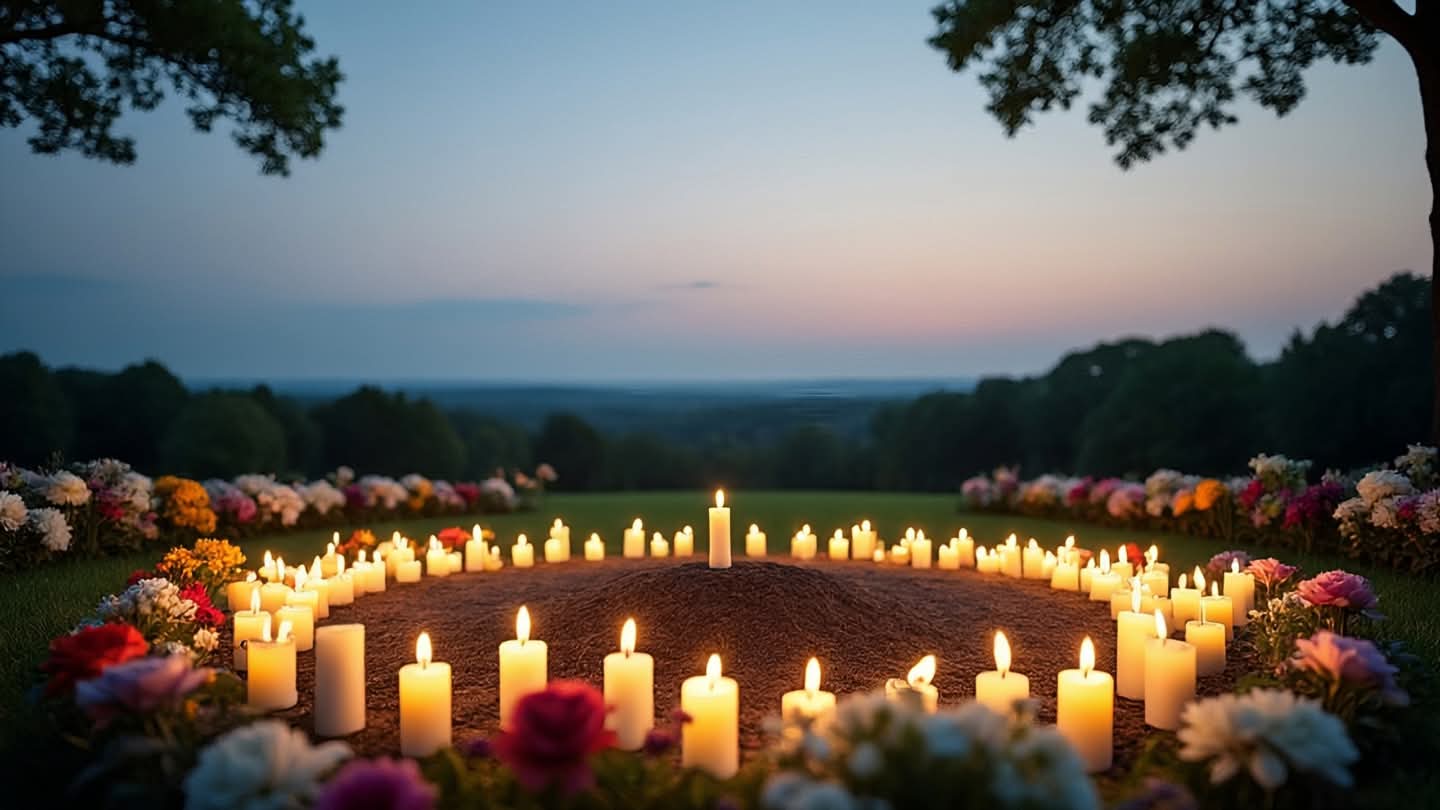
Illustrations were created using AI tools and serve as conceptual representations.
Sources (Media Names Only)
CNN UNN Glavcom The Guardian UN Population Fund (UNFPA)
Published by Banx Network. This article is part of the Banx decentralized media programme, powered by the BXE token on the XRP Ledger.