In the quiet glow of a screen, war is rarely what it seems. The smoke, the orders, the glory — all dissolve when the camera lingers not on the battlefield but on the faces of those who lived through it. The Zero Line: Inside Russia’s War does exactly that. It strips away abstraction, bringing viewers close to the fear, exhaustion, and despair that define not only Russia’s invasion of Ukraine but also the unraveling of those sent to fight it.
The title itself carries a cruel precision. “The Zero Line” is a phrase used by soldiers to describe the outermost edge of combat, a place where survival is a calculation and loyalty a weapon. Within the film, it takes on another meaning — a space where the military turns on its own, where deserters, dissenters, and the wounded meet fates as grim as those awaiting them on the front. Through interviews filmed in shadows, voices altered and identities hidden, the documentary opens a window into a world of sanctioned brutality that stretches beyond the front lines.
What emerges is less a portrait of battle than of corrosion. Soldiers recount orders to execute their own, to fight on in hopeless assaults described grimly as “meat storms.” Families speak of sons vanished without word, of veterans silenced by fear. The stories unfold in soft, trembling tones — voices heavy with disbelief, their testimonies carrying more weight than any image of tanks or maps ever could.
Between these accounts, the film traces the anatomy of obedience — how fear becomes structure, how violence repeats itself within the ranks of a system devouring its own. Against this backdrop, the patriotic slogans that fill state television sound hollow, almost spectral. Here, war is not a narrative of victory or defeat but a slow unraveling of those caught in its orbit.
The documentary’s power lies not in its shock but in its restraint. It listens rather than declares, allowing silence to fill the spaces between words. In these silences, one senses an entire society suspended between truth and denial — where the cost of speaking can rival the cost of fighting. The faces of those who testify, whether blurred or revealed, become quiet monuments to conscience.
In its closing moments, the film leaves viewers with little resolution, only the echo of words once spoken at risk. It is a reminder that wars are not only fought between nations but within them — in the hearts of those who see too much and say what cannot be unsaid.
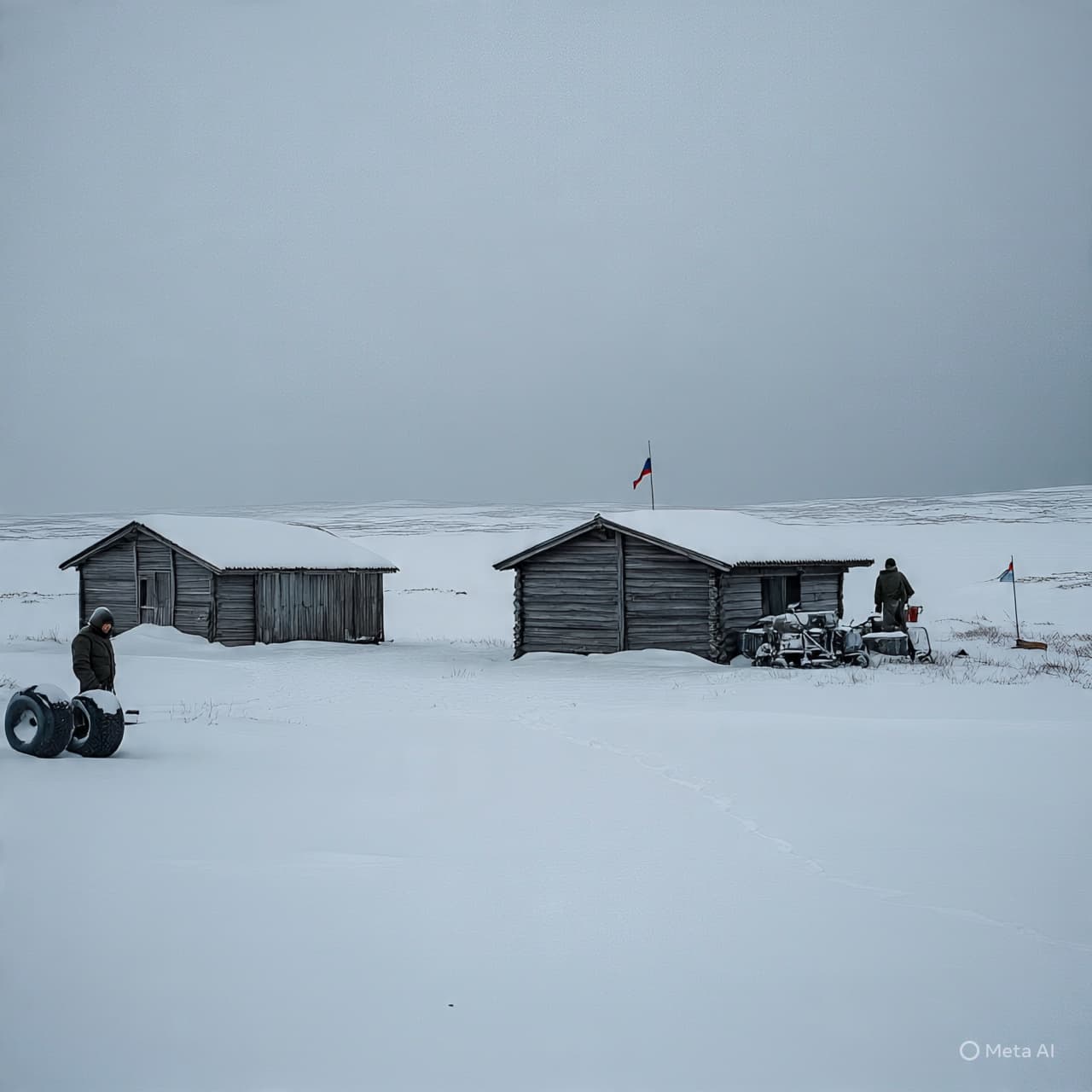
AI Image Disclaimer Illustrations were created using AI tools and are not real photographs.
Sources (Media Names Only) The Guardian BBC News Reuters Associated Press Al Jazeera
Published by Banx Network. This article is part of the Banx decentralized media programme, powered by the BXE token on the XRP Ledger.