There are mornings along the Gulf where sea and sky seem to meet in an almost imperceptible hush, as if the horizon itself were pausing in contemplation. Ships drift lazily along routes marked by centuries of trade; fishermen steer small boats against faint breezes that carry the scent of salt and promise. In quieter times, these waters embody the logic of constancy — a rhythm of tides and commerce that binds distant ports and sleepy coastal towns in a shared pulse.
But in recent days, that pulse has been disrupted.
Across the wide expanse of the Gulf of Oman and Persian Gulf, missiles and drones have traced arcs that break the serenity of morning light. Nations whose skylines are usually reflected in glass and steel — from the UAE’s high‑rises to Kuwait’s quiet shorelines — now find those reflections punctuated by flashes of alert sirens and the distant thrum of intercepted ordnance. Air defenses, many built around advanced systems, have labored under what analysts describe as an almost relentless cadence of projectiles, including ballistic missiles and unmanned drones launched in waves intended to overwhelm.
Such strikes arrive in the broader context of a conflict that has moved beyond borders and into the air and sea lanes that define daily life here. Gulf Cooperation Council states — from the United Arab Emirates and Bahrain to Qatar and beyond — have reported damage to infrastructure, disruptions to airports and energy facilities, and the near‑constant need to deploy interceptors against approaching threats. Despite their technological edge, the finite number of defensive interceptors now strains under the demand of repeated waves, forcing officials to consider prioritizing high‑value targets and risking lesser‑priority crossings.
For ordinary people — those who once rose with the call to prayer and walked the sunny boulevards that flank modern cities — the sense of time has changed. It is no longer only measured in workdays or school schedules, but in the intervals between alerts. Flights are rerouted, children remain closer to home, and public spaces resonate with the low hum of caution. Markets, too, feel the weight of these demands: energy shipments once taken for granted now hang on the alternation of clear skies and sudden advisories.
In political corridors, leaders speak with languages both sober and resolute. The collective voice of Gulf and Western allies has condemned the strikes on sovereign territory, emphasizing the shared right to defend citizens and infrastructure. Gulf Cooperation Council ministers have underscored that sovereignty and regional stability demand action rooted in international law and coordinated defense.
At the same time, national capitals — from Riyadh to Doha — have not hesitated to voice their displeasure more pointedly, summoning envoys and decrying what they describe as violations of regional security and sovereignty. Statements from foreign ministries reflect deep concern at the breadth of recent attacks and a readiness to support measures that protect territory and civilian life, even as diplomatic channels remain open in pursuit of de‑escalation.
So the Gulf finds itself in a race measured less in seconds than in the arc of trajectories — missiles and drones intercepted, defenses recalibrated, and the ebb of populous life under skyward strains. The sea still sings its long, patient song; the date palms still stand in orderly rows; and the sun still rises each morning over cityscapes and dunes. Yet beneath that enduring beauty lies a quiet urgency: a collective effort to repel a barrage that has sought to push this region toward instability.
In direct terms, Gulf states are confronting repeated Iranian missile and drone strikes that have targeted infrastructure and airspace. Advanced air defense systems have intercepted large numbers of these threats, but supply limitations and the volume of attacks pose challenges. Gulf Cooperation Council nations, in coordination with allies, have condemned the strikes and emphasized their right to defend sovereignty, while diplomatic responses continue amid ongoing conflict.
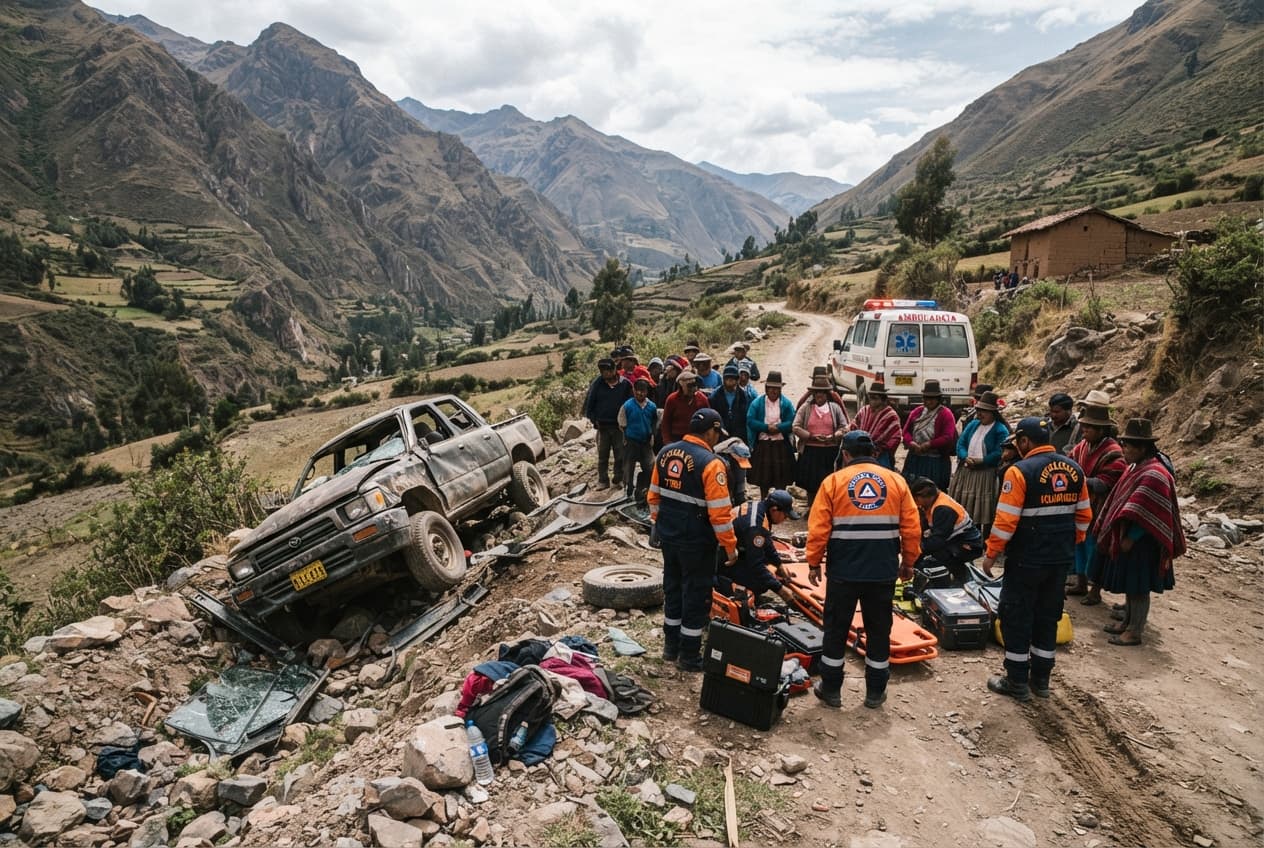
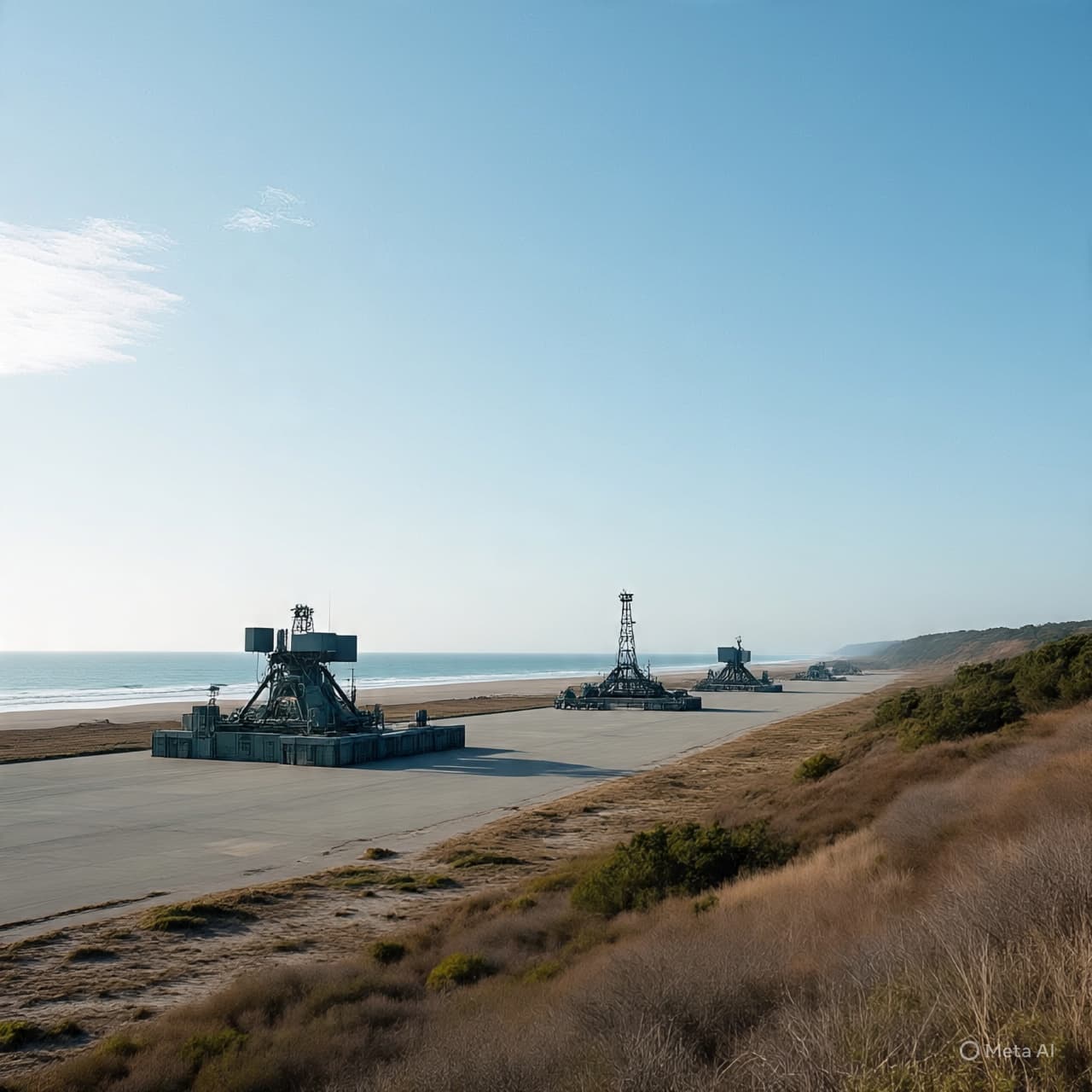
AI Image Disclaimer Visuals are AI-generated and serve as conceptual representations.
Sources (Media Names Only) The Wall Street Journal The Guardian Associated Press Gulf News BBC News
Published by Banx Network. This article is part of the Banx decentralized media programme, powered by the BXE token on the XRP Ledger.