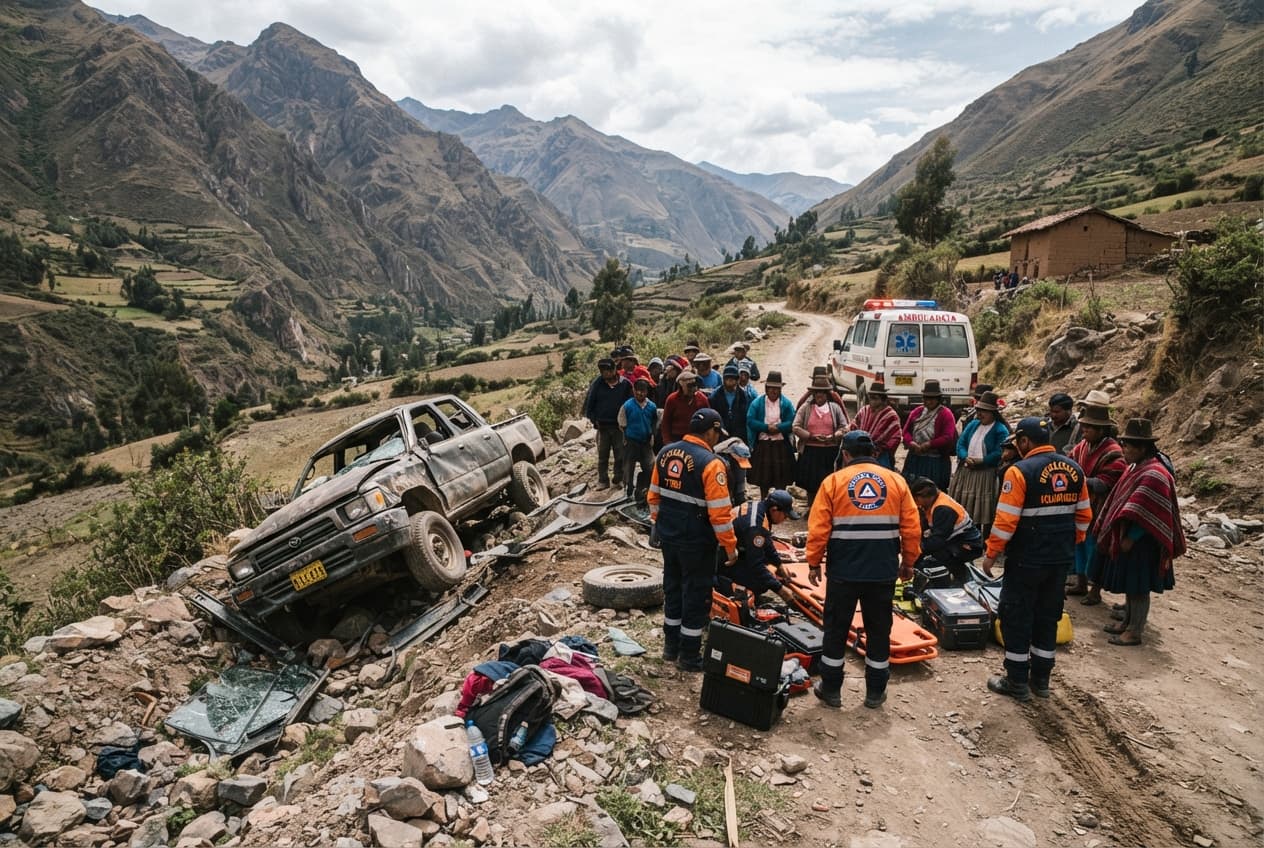
Addis Ababa, Ethiopia—Twisted metal and scattered personal belongings littered the dirt embankment where an overloaded transport vehicle left the unpaved roadway. An overloaded passenger truck overturned on a remote rural route in southern Ethiopia, killing eleven people instantly and injuring dozens more. Local villagers rushed to the disaster scene with makeshift tools to assist trapped passengers before regional emergency units arrived. First responders encountered severe logistical hurdles due to the isolated geographic location and lack of immediate communication networks.
Medical personnel established an emergency triage area beneath acacia trees, treating survivors for compound fractures and severe internal trauma. The severely injured were loaded onto passing commercial vehicles and transport vans to reach the nearest under-equipped rural clinic. Regional police commanders confirmed that the truck was carrying well over its legal passenger capacity when mechanical failure struck. Investigators noted that the vehicle's braking system showed catastrophic wear following continuous operation across rugged terrain.
Federal transport safety inspectors arrived at the crash site to examine the mangled chassis and interview surviving eyewitnesses. Initial findings indicate that loose gravel and excessive cargo weight caused the driver to lose steering control on a sharp descent. Local transport unions pointed to chronic vehicle shortages and high fuel costs as driving forces behind dangerous passenger overcrowding. Government authorities have repeatedly warned commercial operators against utilizing freight trucks for unauthorized civilian transit.
The tragedy reignited fierce public criticism regarding rural road infrastructure standards and enforcement gaps across regional transit networks. Community advocates demanded immediate government intervention to improve unpaved highway corridors connecting isolated farming districts to urban markets. Transport ministry officials issued formal statements expressing profound condolences to the grieving families while promising closer regulatory monitoring. Regional police pledged to step up roadside inspections targeting unauthorized passenger hauling on commercial freight carriers.
Local administrative councils coordinated burial arrangements for the victims, utilizing community donations to support affected households. Health ministry representatives dispatched emergency medical supplies and surgical teams to regional hospitals struggling with overflow trauma patients. Family members gathered outside the provincial health bureau demanding transparent updates on the identification of the deceased. The remote crash site remained guarded by local militia units as forensic teams finalized their initial on-site data collection.
Heavy recovery equipment was dispatched from the provincial capital to hoist the overturned truck chassis clear of the drainage ditch. Road maintenance crews spread gravel across the slippery dirt track to restore basic traffic flow for localized agricultural transport. Regional authorities reiterated warnings against boarding unregistered or overloaded vehicles operating outside regulated safety parameters. The investigation into the systemic causes of the disaster remains active as transport officials review driver logbooks.
Published by Banx Network. This article is part of the Banx decentralized media programme, powered by the BXE token on the XRP Ledger.