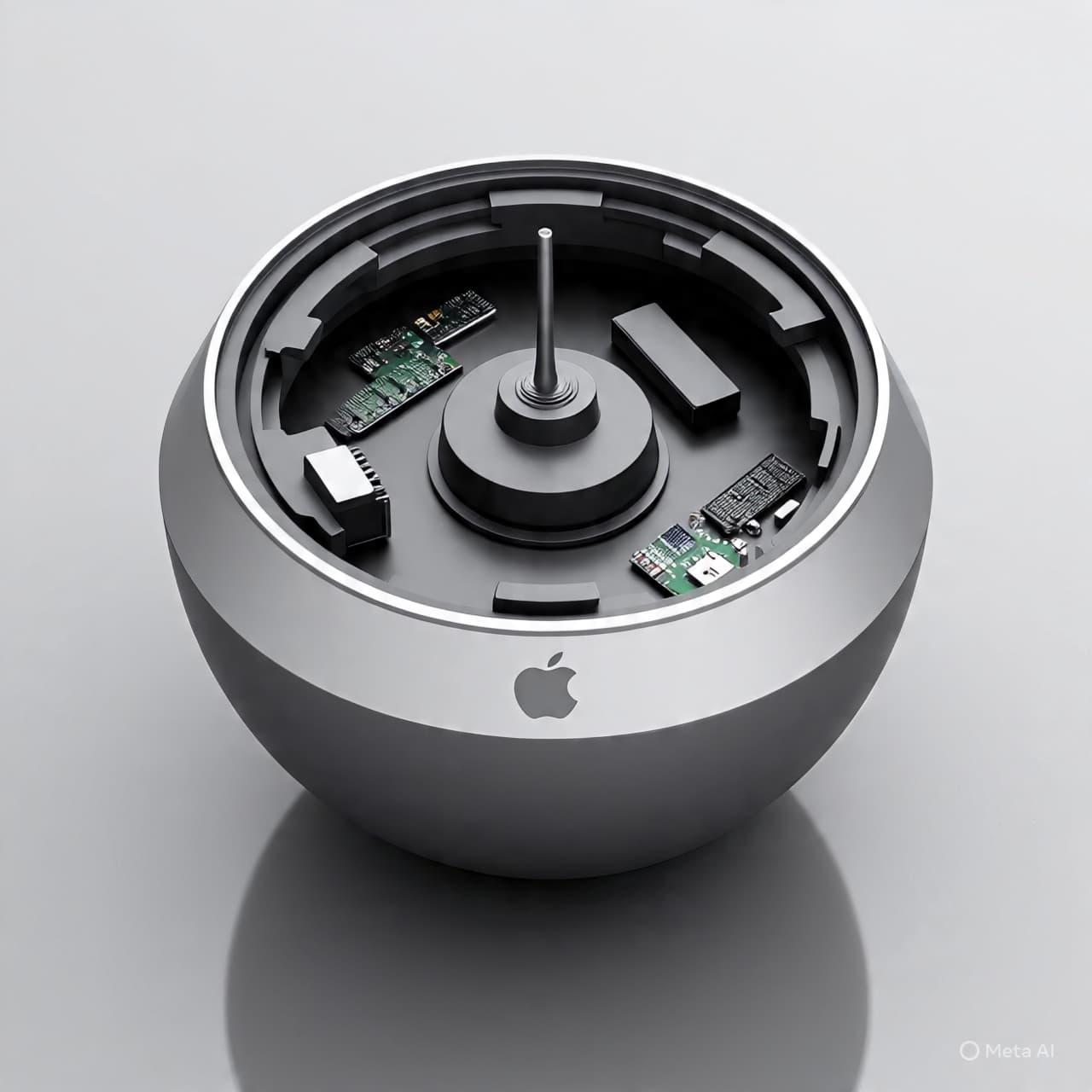
There’s a curious ritual that unfolds whenever Apple launches a new piece of hardware: alongside official reviews and first-look videos comes a teardown — a methodical dissection of the device that reveals what’s truly inside. This week, gadget repair specialists iFixit have done just that with the recently released second-generation Apple AirTag, offering an inside look at what’s changed, what hasn’t, and what still raises eyebrows among the enthusiasts who watch this tiny tracker’s innards more closely than most.
Apple’s updated AirTag ships with several incremental upgrades over its predecessor, chief among them a speaker that Apple says is up to 50 % louder, and a newer Ultra Wideband chip designed to extend the reach of its “Precision Finding” feature and improve Bluetooth tracking range. These changes underscore the company’s focus on practicality — making the device easier to locate by sound and more reliable at greater distances within the Find My ecosystem.
But once iFixit cracked open the AirTag 2’s familiar white shell, one longstanding concern resurfaced. Despite hopes that Apple would make tampering more difficult — especially for the speaker, which has been used in the past to mask the device’s presence — the teardown reveals that disabling the sound remains surprisingly simple. According to iFixit’s inspection, the speaker is still connected by just two fine wires; with a soldering iron, those wires can be cut, effectively silencing the audible chime while leaving the tracking functionality intact.
Apple clearly attempted to beef up the physical anchoring of components — the speaker is more securely integrated than in the original model — but iFixit’s findings suggest that these changes don’t stop a determined tinkerer. Whether the goal is benign customization (for example, minimizing sound on a personal item) or something less desirable (such as avoiding the audible alerts that help prevent unwanted tracking), the ease of disabling the speaker reignites familiar debates about device security and user intent.
Inside the AirTag 2, iFixit also highlights the inclusion of an updated System on Chip (SoC) and the second-generation U2 Ultra Wideband chip, which together power the refined location-finding capabilities. Though the exterior design remains close to the original — compatible with existing accessories and still compact — these internal enhancements reflect Apple’s effort to modernize the accessory without reinventing its form factor.
For users, the louder speaker and improved range are welcome improvements. For repair and security watchers, the teardown underscores a tension that persists in many connected devices: balancing ease of use and repairability with features designed to protect privacy and prevent misuse. The AirTag 2 upgrades show progress in some areas, even as familiar vulnerabilities — like the ease of silencing the speaker — remain.
AI Image Disclaimer Images in this article are AI-generated illustrations, meant for concept only.
Sources 9to5Mac, MacRumors, Wccftech — iFixit teardown insights on the second-generation Apple AirTag and internal findings.
Published by Banx Network. This article is part of the Banx decentralized media programme, powered by the BXE token on the XRP Ledger.