The continent often described as the cradle of humanity is once again listening closely to the signals of nature. Across Africa, rains arrive too late or all at once, heat lingers longer than memory recalls, and familiar seasonal rhythms quietly shift. In these altered patterns, health workers are beginning to hear another sound—one less poetic, more urgent—the return and spread of disease. It is not sudden, nor entirely unexpected, but it is steadily becoming harder to ignore.
The World Health Organization has warned that climate shocks are increasingly shaping Africa’s disease landscape. Floods, droughts, heatwaves, and cyclones are no longer isolated environmental events; they are catalysts that open new pathways for illness. When floodwaters linger, they create breeding grounds for mosquitoes. When drought forces communities to rely on unsafe water sources, cholera and other waterborne diseases follow. When heat weakens crops and livestock, malnutrition quietly lowers immune defenses.
Recent years have shown how outbreaks once considered sporadic are becoming more frequent and more complex. Malaria, dengue, Rift Valley fever, cholera, and measles are appearing in places where health systems are already stretched thin. Climate stress does not create these diseases, but it removes the barriers that once kept them contained. Warmer temperatures extend transmission seasons. Displacement caused by extreme weather pushes populations into crowded shelters where infection spreads easily.
WHO officials note that Africa bears a disproportionate share of climate-related health impacts despite contributing minimally to global greenhouse gas emissions. Many countries face overlapping crises: fragile health infrastructure, limited laboratory capacity, shortages of medical staff, and the growing pressure of rapid urbanization. Climate-driven outbreaks arrive not as isolated emergencies but as part of a continuous strain on public health systems.
Yet there are also signs of quiet resilience. Early warning systems are improving. Cross-border disease surveillance is expanding. Community health workers are increasingly trained to recognize climate-linked risks before outbreaks spiral. WHO and partner organizations are urging investment not only in emergency response, but in climate-adaptive health systems—facilities that can withstand floods, heat, and power disruptions while continuing to serve communities.
The challenge ahead is not framed as a battle to be won quickly, but as a reality to be managed thoughtfully. Climate change is reshaping the conditions in which diseases emerge and spread. Africa’s experience, health experts suggest, offers an early reflection of what many regions may face in the future.
As governments and global institutions weigh responses, the message remains measured but clear: protecting health in a warming world requires seeing climate and disease not as separate stories, but as chapters of the same unfolding narrative.
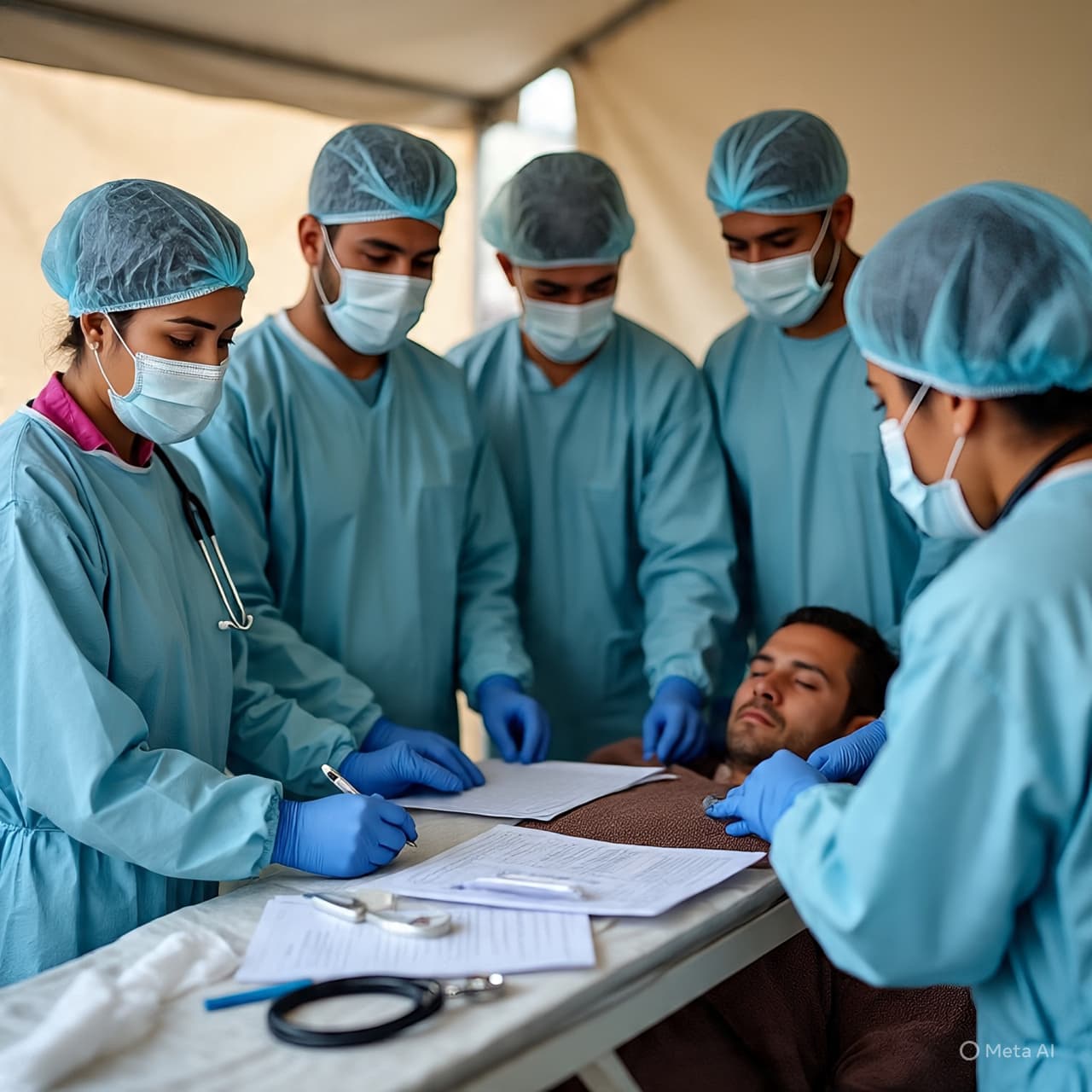
AI Image Disclaimer (Rotated Wording) Visuals accompanying this article are created using AI tools and are intended as conceptual representations rather than real photographs.
sources include:
World Health Organization (WHO) Reuters BBC News Al Jazeera The Guardian
Published by Banx Network. This article is part of the Banx decentralized media programme, powered by the BXE token on the XRP Ledger.