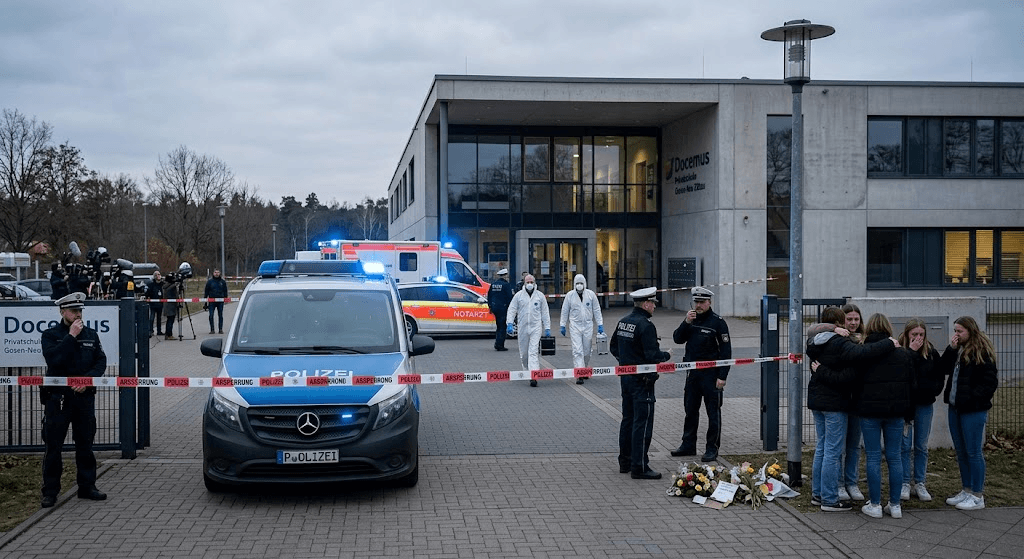
The mornings in Berlin rise quietly, streets filled with the scent of fresh bread and the rhythm of everyday motion. Yet within these ordinary patterns lies a quieter pulse, one measured not by clocks or footsteps but by the hidden lives of those living with fear and constraint. Germany’s homes, at once safe and intimate, also conceal realities that rarely emerge into public view: a vast majority of domestic incidents, lived and felt, remain unseen.
Recent research indicates that fewer than five percent of domestic and intimate partner violence incidents are formally reported to authorities. This means that nineteen out of twenty episodes of harm unfold without entering official records, leaving a gulf between what is statistically recognized and what is actually experienced. Fear, shame, concern for children, or the belief that suffering should remain private can all contribute to this silence. Across demographics — women, men, LGBTQ+ individuals, young people, and ethnic minorities — the barriers to reporting are varied but pervasive.
While official figures point to tens of thousands of reported victims each year, these numbers reveal only a fragment of the broader landscape. Behind each reported case lies a story; behind each unreported case, countless narratives of restraint, caution, and the subtle negotiation of personal safety. Counselors, social workers, and support professionals witness the full spectrum of these experiences, from verbal and psychological control to physical harm, highlighting the persistent but hidden challenges within domestic life.
The stark disparity between lived experience and recorded data emphasizes the need for continued attention to support systems and societal awareness. Expanding access to protective measures, fostering environments where victims feel believed and supported, and nurturing cultural and institutional recognition of domestic harm are crucial steps. The absence of a report does not equate to the absence of suffering, and the quiet spaces of private homes often hold stories that demand listening.
In factual terms, the study confirms that under five percent of domestic violence incidents in Germany are reported. The findings underline that the vast majority of these experiences remain undocumented, with experts citing fear, limited access to help, and social pressures as primary reasons. Women are disproportionately affected by severe forms of violence, though individuals across all genders and backgrounds encounter barriers to reporting.
AI Image Disclaimer
Visuals are AI-generated and serve as conceptual representations.
Sources (Media Names Only)
The Local News Minimalist Deutschlandfunk
Published by Banx Network. This article is part of the Banx decentralized media programme, powered by the BXE token on the XRP Ledger.