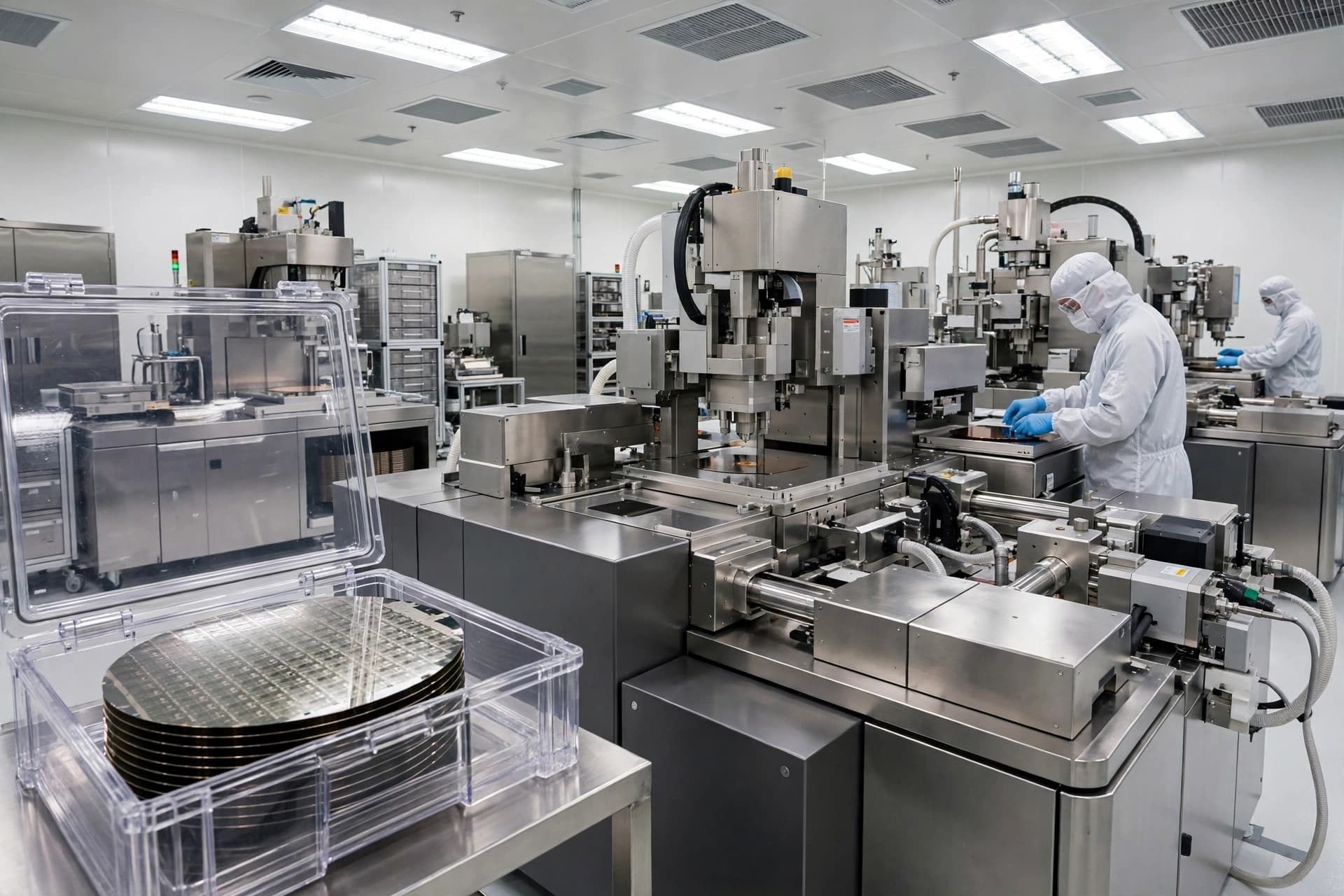
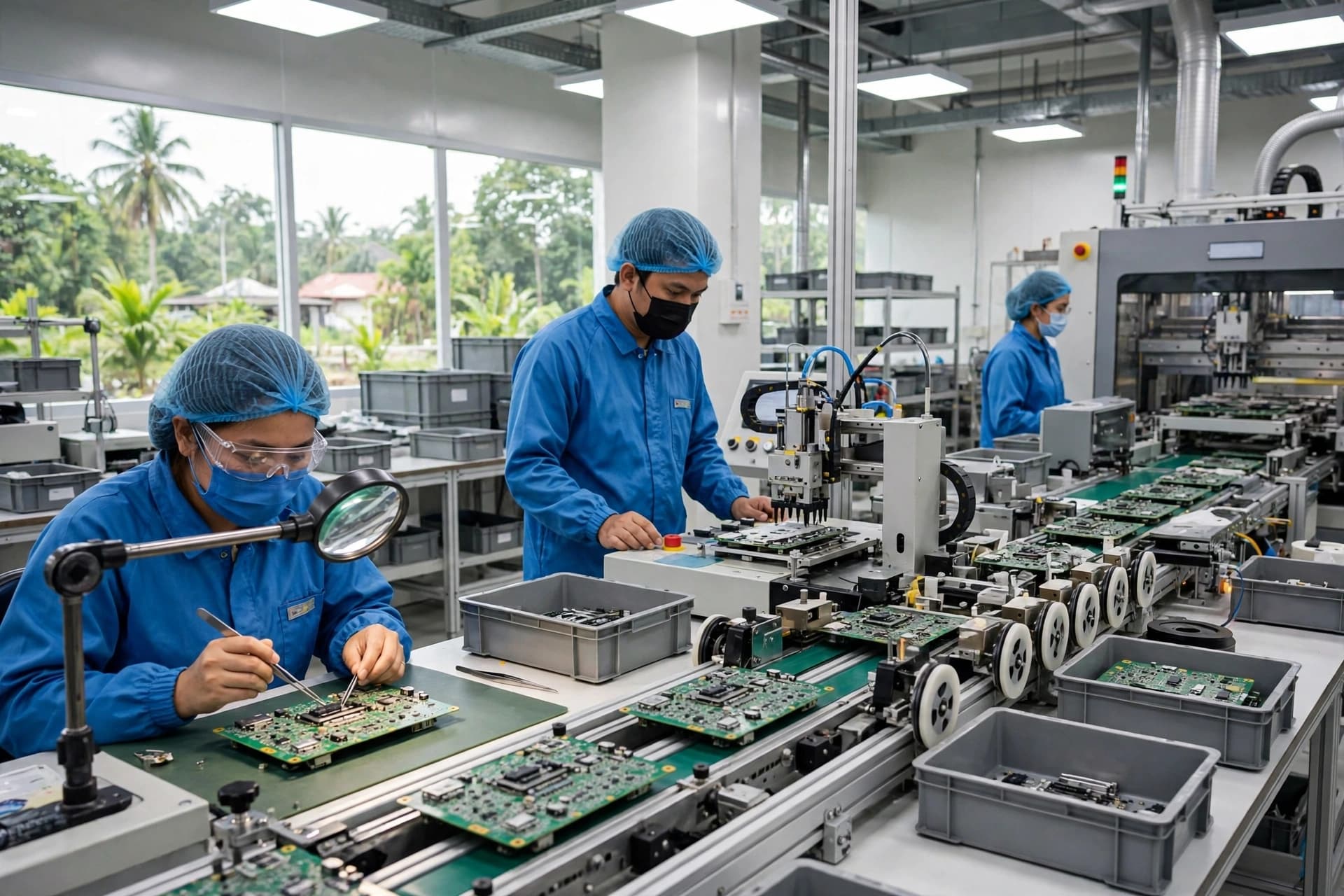
In the half-light of an industrial morning, before machines fully stir, the outlines of factories and data halls suggest a future already under construction. Steel frames stand ready, concrete pads wait for purpose, and blueprints speak confidently of scale. Yet beneath this sense of momentum, a quieter absence lingers — one not easily captured on a balance sheet or projected in a slide deck.
It is this absence that Ford Motor Company’s chief executive, Jim Farley, recently brought into view. Speaking about the rapid expansion of artificial intelligence infrastructure and advanced manufacturing, Farley warned that the United States faces a shortage not of ideas or capital, but of skilled blue-collar workers capable of turning ambition into reality. The data centers that power AI systems, and the factories meant to anchor a new era of domestic production, require electricians, welders, machinists, and technicians in numbers that, he suggested, no longer exist at scale.
The concern arrives at a moment when industrial confidence is otherwise high. Governments speak of reshoring, companies announce multibillion-dollar investments, and AI is framed as both an economic engine and a strategic imperative. Yet Farley’s observation cuts through that optimism with a practical reminder: technology does not stand on code alone. It depends on hands trained to wire, assemble, repair, and maintain — skills forged over years, not quarters.
For decades, manufacturing work receded from the cultural foreground, often portrayed as a relic rather than a pathway. Vocational education waned as college degrees became the default aspiration, and apprenticeship pipelines narrowed. What remains, Farley suggested, is a gap between the scale of industrial ambition and the workforce prepared to meet it. “There’s nothing to backfill the ambition,” he said, describing a system where demand is accelerating faster than skills can be cultivated.
The implications stretch beyond any single automaker. AI data centers are complex physical environments, demanding precision construction and continuous operation. Factories transitioning to electrification and automation require workers fluent not just in mechanical systems, but in software-driven processes. Without a deep bench of trained labor, projects risk delays, cost overruns, or relocation to regions better equipped to staff them.
Industry leaders and policymakers have begun to acknowledge this tension. Discussions now include renewed investment in trade schools, partnerships between employers and community colleges, and incentives to make skilled labor careers more visible and viable. Still, such efforts move gradually, while corporate timelines press forward with urgency.
Farley’s warning is not framed as a rebuke, but as an observation shaped by proximity to the problem. From the vantage point of a company building both vehicles and the infrastructure behind them, the shortage appears less abstract and more immediate. It is the sound of a project slowed not by regulation or financing, but by the simple lack of people qualified to do the work.
In straightforward terms, Ford’s CEO has cautioned that the United States does not currently have enough skilled blue-collar workers to build and operate the AI data centers and factories envisioned by today’s industrial expansion. He argues that without significant investment in workforce development, the gap between ambition and execution may continue to widen.
AI Image Disclaimer Illustrations were created using AI tools and are not real photographs.
Sources Financial Times Bloomberg Reuters The Wall Street Journal CNBC
Published by Banx Network. This article is part of the Banx decentralized media programme, powered by the BXE token on the XRP Ledger.