There are seasons in exploration when the horizon seems fixed — a distant rim of light toward which engines are pointed and calendars are drawn. And then there are seasons of recalibration, when the horizon remains but the path to reach it bends, subtly at first, then unmistakably.
NASA has announced a significant restructuring of its Artemis Moon program, the multi-mission effort intended to return astronauts to the lunar surface and establish a more sustained presence there. The adjustment comes amid shifting timelines, budget considerations, and technical realities that have shaped the program since its inception.
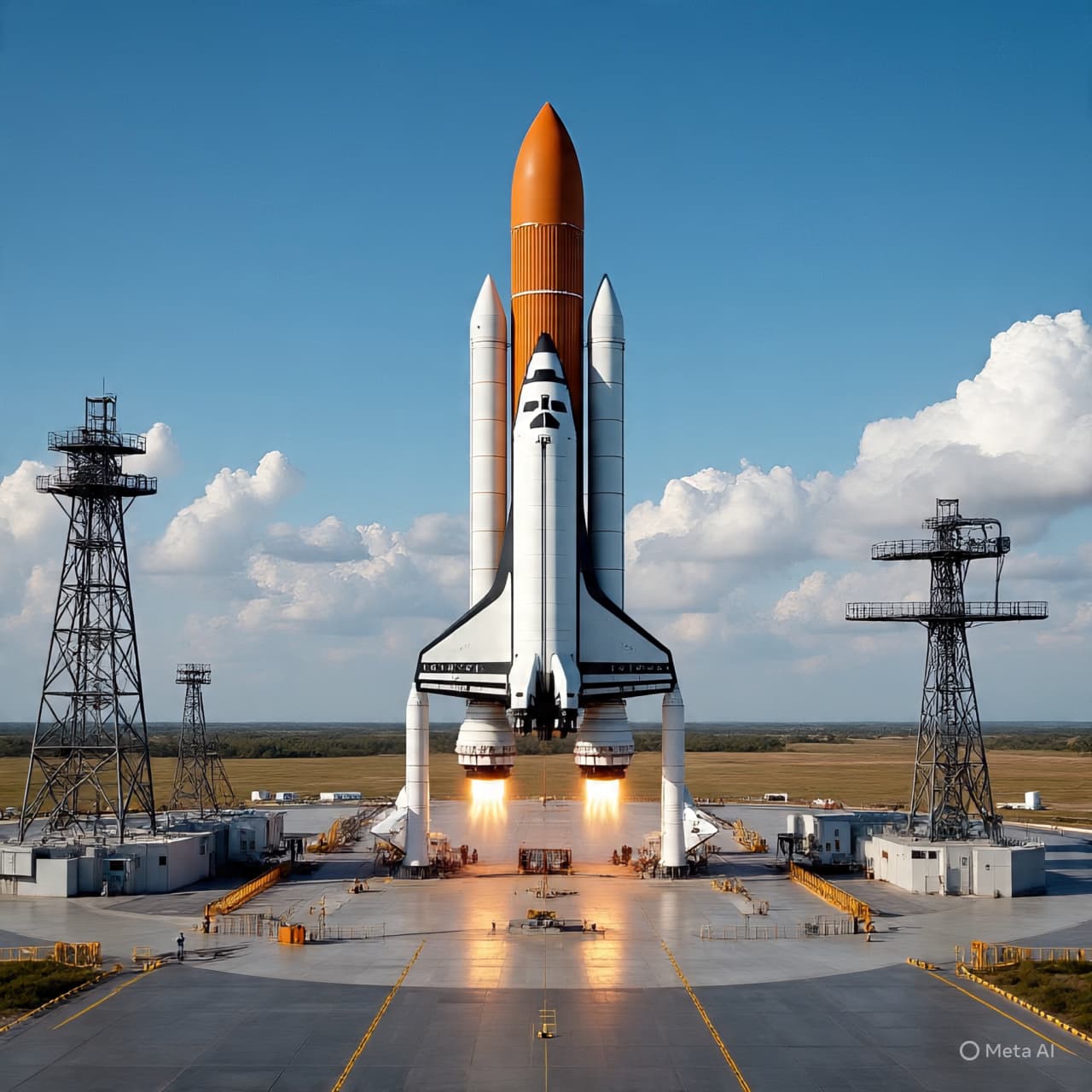
Artemis was conceived as more than a single landing. It was designed as a framework: the Space Launch System rocket, the Orion spacecraft, the Lunar Gateway station planned for orbit around the Moon, and commercially developed lunar landers working in concert. The goal has been not only to revisit the surface, but to build an architecture capable of supporting repeated missions and, eventually, preparations for journeys to Mars.
In its latest announcement, NASA outlined changes affecting mission sequencing and hardware development priorities. Agency officials indicated that certain elements of the program will be restructured to improve efficiency and address delays, while preserving the central objective of returning astronauts to the Moon later this decade. The adjustments reflect both technical lessons learned during uncrewed test flights and the evolving landscape of commercial partnerships that now form a core part of U.S. space strategy.
Artemis I, the uncrewed test of the Space Launch System and Orion spacecraft, flew successfully around the Moon in late 2022, demonstrating key systems in deep space. Subsequent missions have faced scheduling shifts, influenced by spacecraft readiness, life-support testing, and integration of lunar landing systems developed by private industry partners. NASA leadership has acknowledged that aligning these components within realistic timelines requires flexibility.
The agency’s announcement signals a recalibration rather than a retreat. Officials emphasized continued commitment to landing astronauts — including the first woman and the first person of color — on the lunar surface. International partners contributing to the Gateway station and other elements of the program remain engaged, and commercial companies contracted for lander development continue technical work.
In recent years, Artemis has existed within a broader context of geopolitical competition and renewed global interest in the Moon. Other nations, including China, have advanced their own lunar ambitions. At the same time, Congress and the White House have weighed funding levels against domestic priorities, influencing the pace at which large programs can proceed.
The result is a program that now reflects both aspiration and adjustment. The Moon remains in view, but the sequence of steps is being refined. In spaceflight, such revisions are not uncommon. Large-scale exploration programs often evolve as engineering challenges surface and economic landscapes shift.
NASA officials said updated mission timelines and structural details will be released in the coming months, offering greater clarity on the sequence of upcoming flights. For now, the agency has confirmed that Artemis remains active, though reshaped.
The Moon, unchanged in its distance, continues to circle Earth with patient regularity. On the ground, plans are redrawn, tested, and redrawn again. Exploration moves forward not only through ignition, but through reconsideration — a process as deliberate as the countdown itself.
AI Image Disclaimer Illustrations were created using AI tools and serve as conceptual representations.
Sources (Media Names Only) Associated Press Reuters Ars Technica SpaceNews The New York Times
Published by Banx Network. This article is part of the Banx decentralized media programme, powered by the BXE token on the XRP Ledger.