There is a strange poetry to the night sky when seen through the infrared eyes of a great observatory. Beyond the glitter of familiar stars, in the deep reaches of the constellation Vela, a dying star has woven its final breath into a tapestry of gas and dust that seems — perhaps only in the way our minds seek patterns — to echo the folds of a thinking organ. The Exposed Cranium Nebula, also known simply as PMR 1, emerged in new light from the James Webb Space Telescope, a spectral dance of matter that invites reflection on motion and mortality in the cosmos.
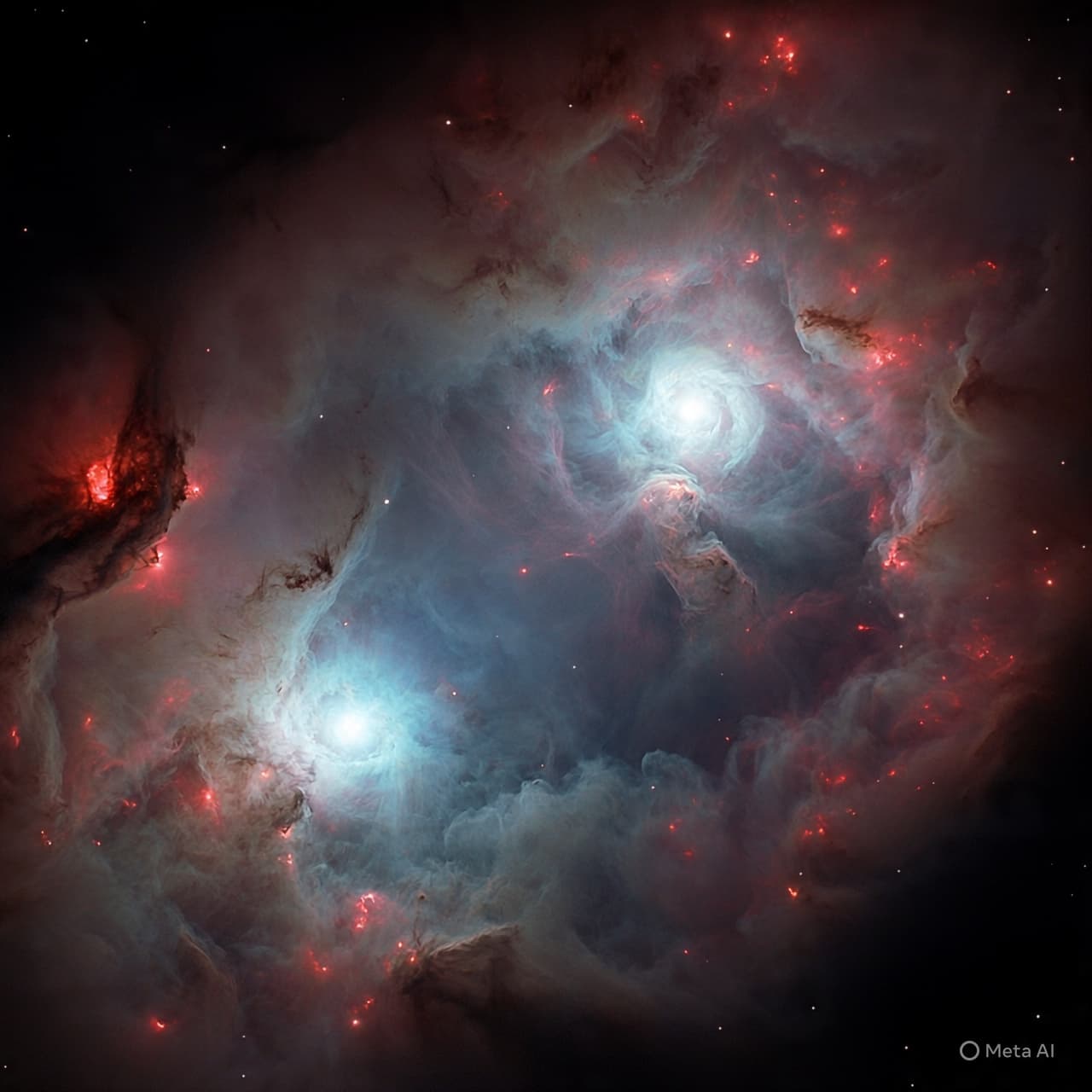
In these latest images, taken across both near‑ and mid‑infrared wavelengths, the cloud swirls in a form that uncannily resembles a human brain nestled within a translucent skull. A dark channel runs through its centre, bisecting billowing clouds like a fissure between two cerebral hemispheres. This feature — the product of jets and outflows from the central star as it sheds its outer layers — offers not only a visual metaphor but also a record of physical processes that mark the final phases of stellar life. The outermost shell, composed primarily of glowing hydrogen gas, was thrown off earlier in the star’s decline, while the more complex inner clouds trace a later chapter in its demise.
To stand before such an image — albeit in the mind’s eye rather than under an open sky — is to encounter the infinite weaving of form and force. There is a quiet drama in the way the nebula’s gases coil and drift, sculpted by the push and pull of gravity and light, shaped by winds emanating from a fading core. Here, at a distance of roughly 5,000 light‑years, the life of a star reaches its twilight, leaving behind not ashes but an intricate portrait of creation and unmaking. Webb’s keen instruments — the Near‑Infrared Camera (NIRCam) and the Mid‑Infrared Instrument (MIRI) — peel back layers of dust that once hid these structures, revealing the subtle transitions of temperature and composition that accompany stellar death.
Yet even as science elucidates the mechanisms at work, there remains room for contemplation. In the nebula’s uncanny shape we find a mirror of our own curiosity: the human impulse to seek recognition in distant clouds, to map familiar stories onto the vast canvas of space. And perhaps that too is part of the cosmos’ gentle teaching — that matter and meaning, while distinct, can arise side by side across the reaches of time and light.
In clear terms, astronomers using NASA’s James Webb Space Telescope have captured highly detailed infrared images of Nebula PMR 1, nicknamed the Exposed Cranium nebula because its shape resembles a brain inside a translucent skull. The nebula surrounds a star in the late stages of its life, which is shedding its outer layers and creating clouds of gas and dust. The distinctive dark lane seen in these images — dividing the nebula into two lobes — likely results from stellar outflows or jets, and the detailed structure revealed by Webb’s instruments offers new insights into the final phases of stellar evolution.
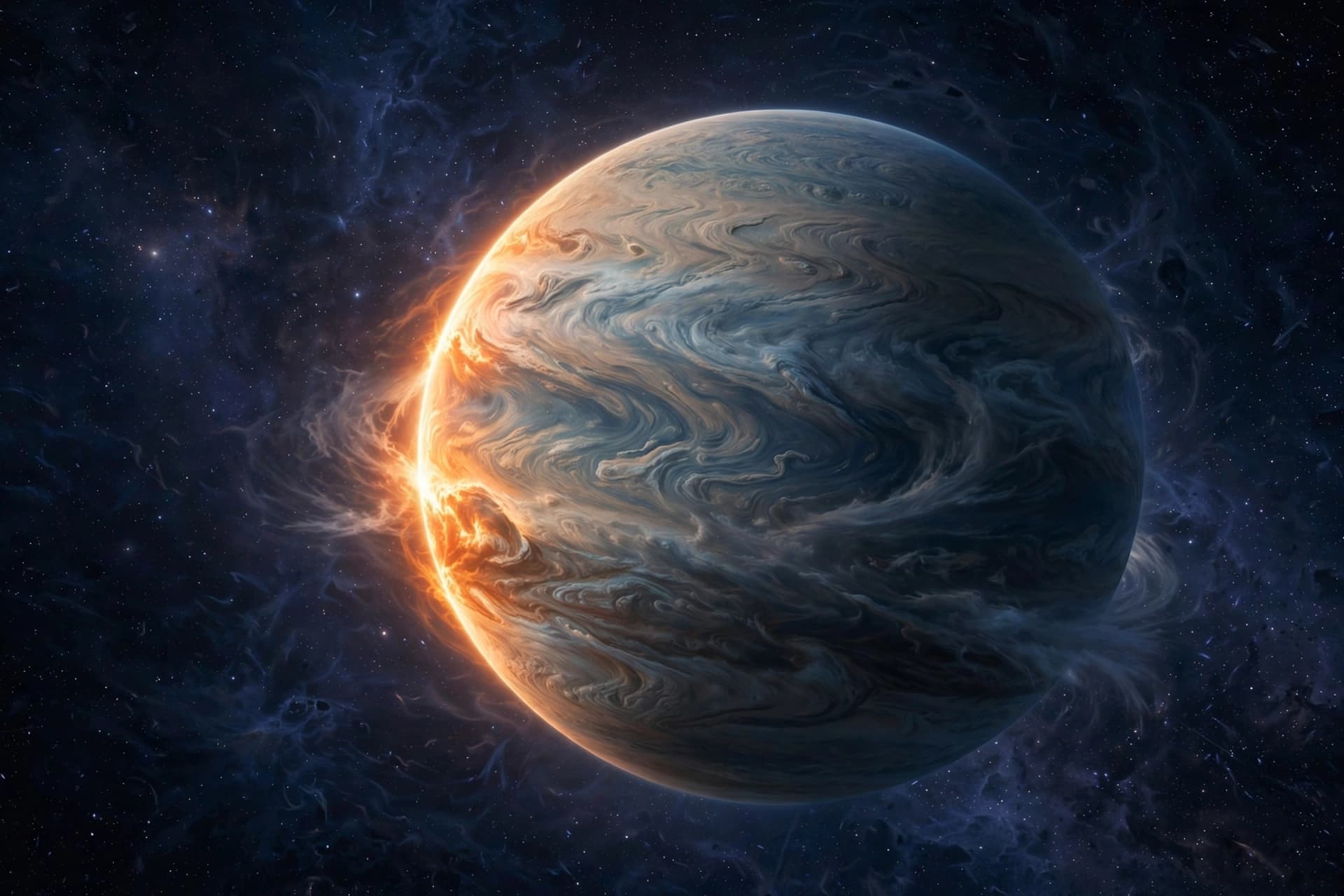
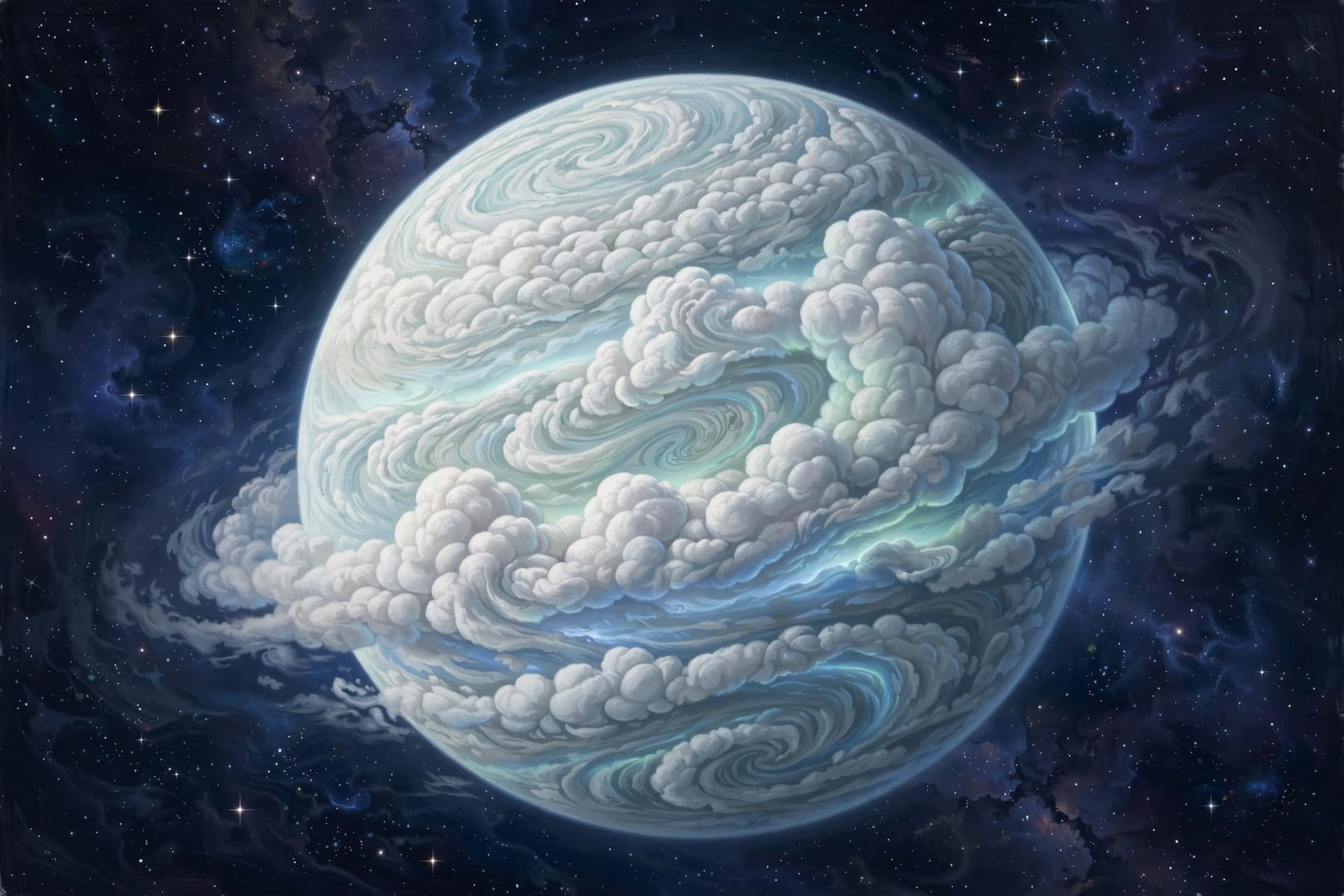
AI Image Disclaimer
Illustrations were created using AI tools and serve as conceptual representations.
Sources (Media Names Only)
Scientific American Associated Press NASA
Published by Banx Network. This article is part of the Banx decentralized media programme, powered by the BXE token on the XRP Ledger.