n the vast stillness of Antarctica — a land more often thought of in terms of silence, snow, and endless white horizons — there are moments when human curiosity reaches deep beneath the ice and brings back a story much older than any written page. This week, scientists announced just such a story: an international research team has drilled the longest-ever sediment core from beneath the Antarctic ice sheet, revealing an astonishing archive stretching back roughly 23 million years. That archive is not merely rock and mud, but an imprint of Earth’s ancient climates, offering a rare window into a world much warmer and different than our own.
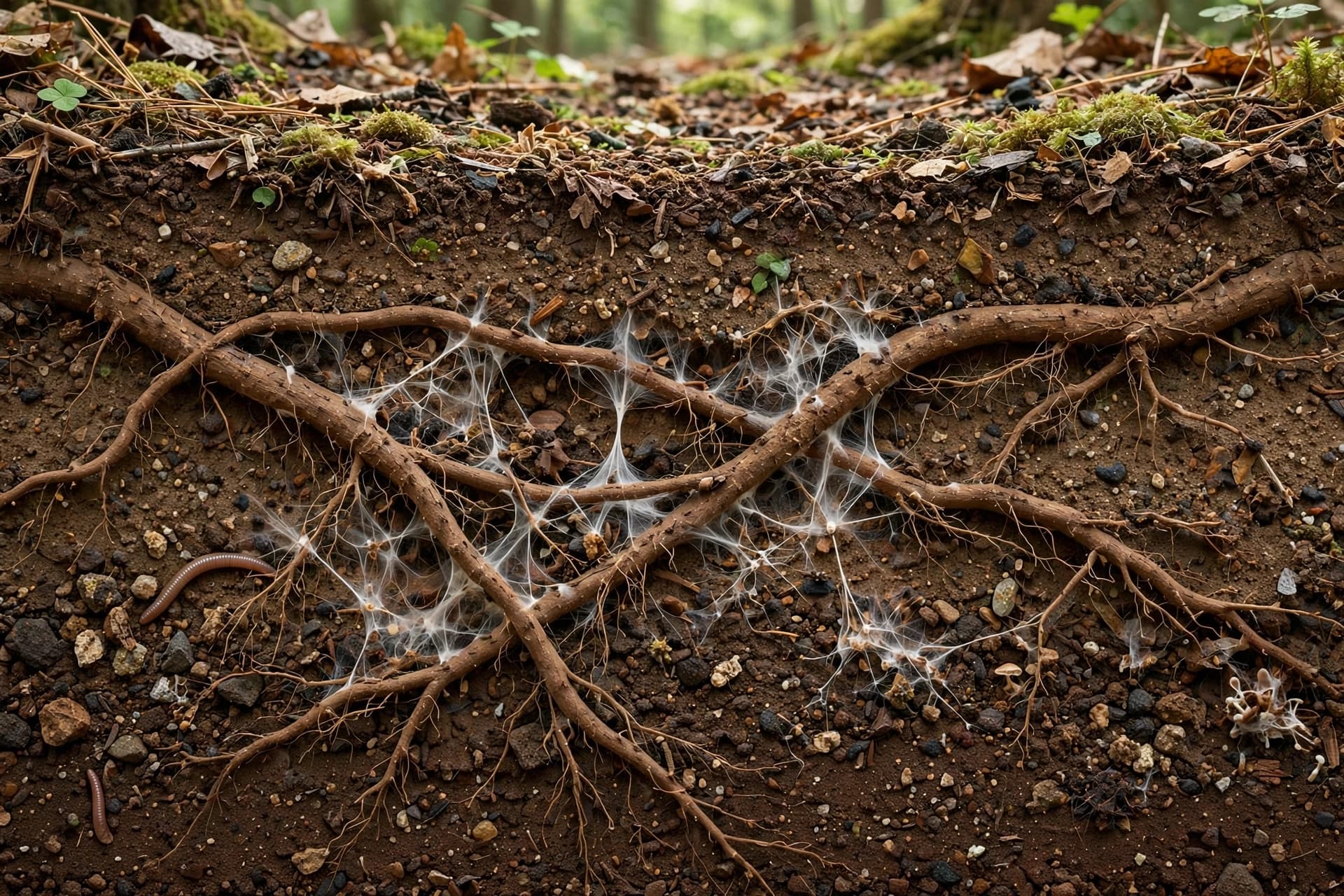
Imagine a world long before humans walked the Earth, when global temperatures rose and fell through cycles of warmth and chill, when the boundaries of ice were not fixed but ebbing and flowing in harmony with Earth’s long seasons and rhythms. That’s the kind of tale preserved in the depths below West Antarctica’s Crary Ice Rise, where scientists punched through more than half a kilometer of ice to reach the sediment underneath. There, encased in layers of mud, gravel and marine remains, lie clues about ancient ocean conditions, ice cover and the margins of a continent now dominated by white.
This isn’t a casual scientific curiosity; it is a record of context, because it includes periods in Earth’s past when global average temperatures were significantly warmer than today. The rhythms of sediment — the kinds of particles deposited, the fragments of shells and fossilized microorganisms preserved — tell researchers not just that those warmer intervals happened, but how the great ice sheets responded when heat prevailed. That response has direct resonance with questions we face now, as human-driven warming nudges Earth toward climates that parallel some ancient periods contained in this very core.
What makes this achievement remarkable is not only its depth — 228 metres of sediment beneath 523 metres of ice — but its location within an ice sheet rather than at its edge or beneath sea ice. Previous records were short, often yielded near ice shelves or in open marine settings. This new core comes from deep under the ice itself, a direct glacial margin record that reflects how the West Antarctic Ice Sheet has waxed and waned over millions of years. In those sediment layers, scientists found not just deposits typical of ice-covered regions but also signs of times when open ocean existed — an echo of climates when ice retreats of magnitude similar to those modelled for future warming may have occurred.
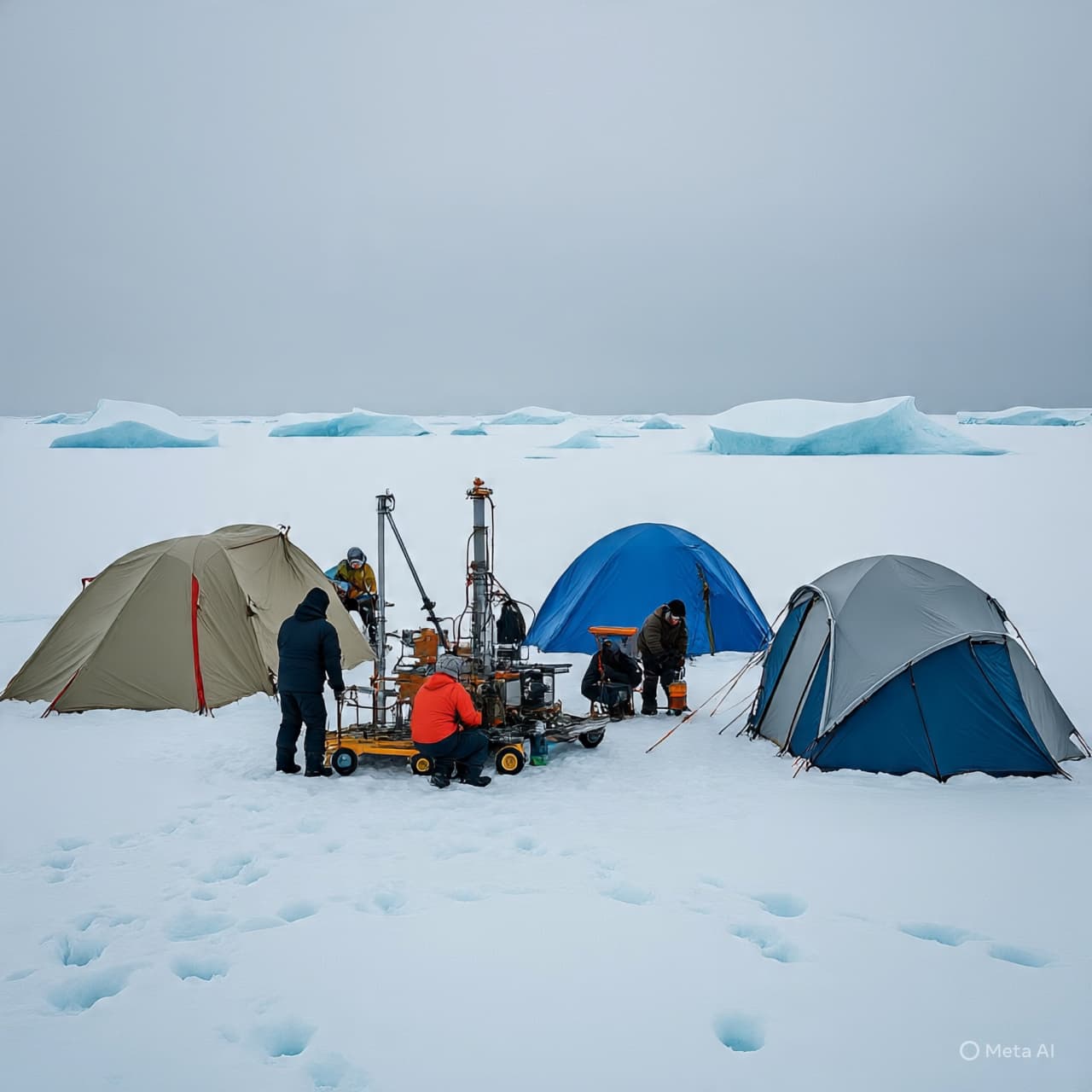
Getting to this archive was no easy matter. The team — 29 scientists, drillers, engineers and support specialists from around the world — faced the logistical challenges of establishing an isolated field camp in one of Earth’s most remote environments. They used hot-water drilling to melt a deep hole through the ice, lowered more than a kilometer of drill string to reach the sediment, and worked in shifts through a brief Antarctic season to bring the core to the surface. The core’s arrival at Scott Base marks the beginning, not the end, of its journey: samples will travel to laboratories in New Zealand and other countries for detailed analysis, refinement and interpretation.
In a world that often feels oriented toward rapid change and urgent alerts, it can help to think of climate history as a longer, deeper narrative. This sediment core is a chapter far older than the span of human civilization, a reminder that Earth’s systems have shifted before, that ice can retreat and advance, that oceans can open where ice once stood, and that temperatures wax and wane over timescales far beyond a single lifetime. Yet the lessons from the past may be the best guides we have for understanding where the planet may be heading in the coming decades.
In straight scientific terms: an international team has drilled a 228-metre sediment core from beneath the West Antarctic Ice Sheet at Crary Ice Rise, producing the longest such record under an ice sheet. Preliminary data suggest the layers span the past 23 million years, providing climate scientists with a detailed archive of environmental changes, ice sheet behavior and conditions during past warm periods, which can inform projections of how the ice sheet might respond to future warming.
AI Image Disclaimer Visuals are AI-generated illustrations and are intended for representation, not real photographs.
Sources
• Imperial College London press reporting on researchers extracting the longest sediment core under an Antarctic ice sheet.
• Phys.org coverage of the record-breaking SST core spanning roughly 23 million years and its climate implications.
Published by Banx Network. This article is part of the Banx decentralized media programme, powered by the BXE token on the XRP Ledger.