Cities are living archives, where the layers of history are often buried beneath the concrete of progress. In Portland, Oregon, the story of the Centennial Mills complex is one such layer—a tale of industrial ambition, environmental oversight, and eventual decay. As city leaders prepare to brief the public on the ongoing investigation into the site’s condition and the proposed plans for its demolition, the community stands at a crossroads. This moment invites reflection on how we manage our industrial heritage and the responsibilities owed to future generations. It is a dialogue about memory, safety, and the transformation of urban spaces.
The Centennial Mills site, located along the Willamette River, has long been a subject of concern due to contamination and structural instability. Once a bustling hub for flour milling, the facility fell into disrepair, leaving behind hazardous materials that pose risks to both the environment and public health. The investigation aims to uncover the full extent of these liabilities, ensuring that any remediation efforts are thorough and accountable. Transparency in this process is crucial for maintaining public trust.
City officials have emphasized the need for a careful and methodical approach to the demolition. Rushing the process could lead to unintended consequences, such as the release of toxins or structural collapse. Instead, a phased plan is being developed, prioritizing safety and environmental protection. This strategy requires coordination between engineers, environmental scientists, and local authorities. It is a complex puzzle that demands precision and patience.
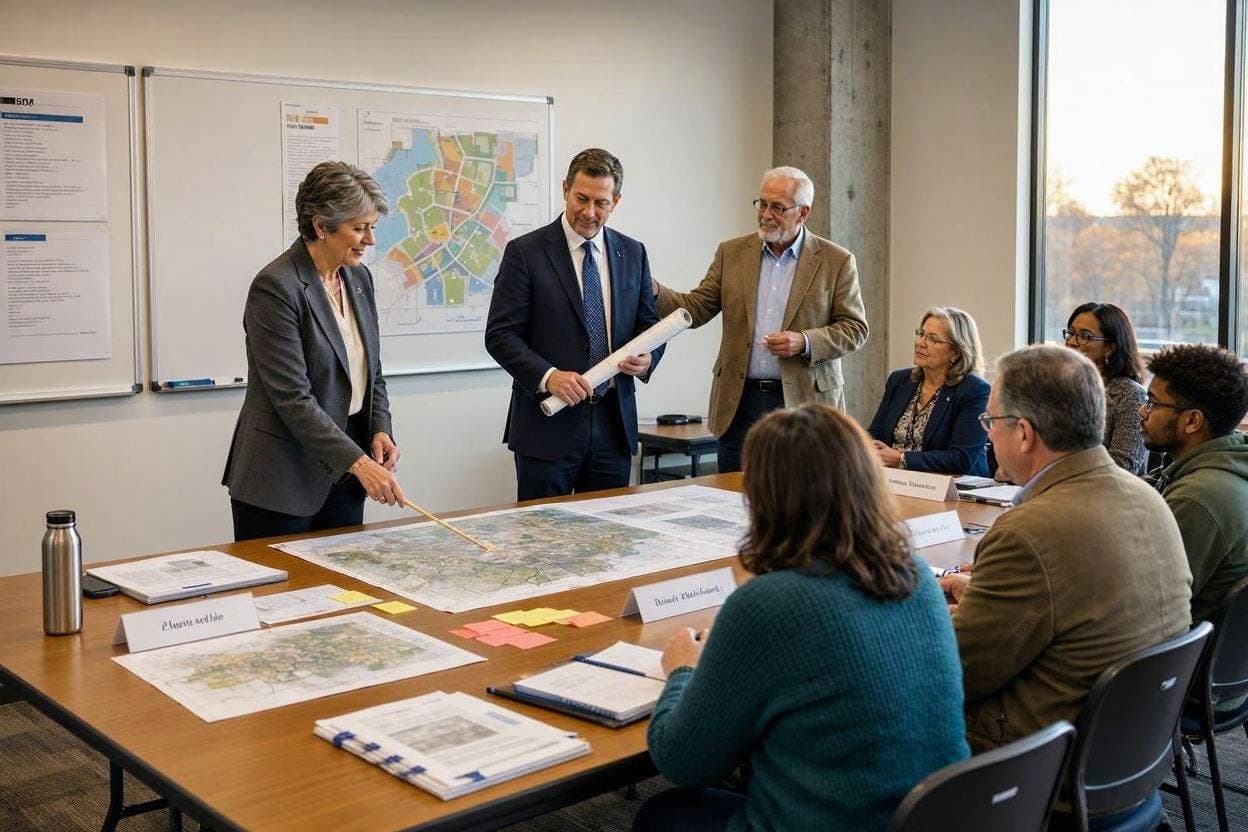
For the surrounding neighborhoods, the presence of the derelict mills has been a source of frustration and anxiety. Residents have voiced concerns about air quality, water contamination, and the aesthetic blight of the abandoned structures. The upcoming briefing offers an opportunity for these voices to be heard and addressed. Community engagement is not just a formality but a vital component of effective governance.
The demolition also raises questions about the future use of the land. Will it become a park, a residential area, or remain industrial? These decisions will shape the character of the neighborhood for decades to come. Urban planners are considering various scenarios, weighing economic benefits against social and environmental needs. The goal is to create a space that serves the community while honoring its past.
As the investigation proceeds, accountability remains a key focus. Determining who is responsible for the contamination and the cost of cleanup is essential for justice. Legal and financial mechanisms are being explored to ensure that taxpayers are not left bearing the entire burden. This aspect of the process highlights the importance of regulatory enforcement in preventing similar situations in the future.
Portland leaders will soon present findings from the Centennial Mills investigation and outline demolition plans. The process emphasizes safety, transparency, and community input. The hope is for a resolution that protects public health and revitalizes the riverfront area.
AI Image Disclaimer: The visual elements accompanying this report are AI-generated interpretations designed to reflect the urban planning and industrial context of the story.
Sources: The Oregonian Portland Mercury City of Portland Official Site
Published by Banx Network. This article is part of the Banx decentralized media programme, powered by the BXE token on the XRP Ledger.