In the hallowed halls of the Vatican, where history whispers from every stone, a voice of moral authority continues to rise above the din of global conflict. Pope Leo XIV has once again renewed his urgent appeal for an end to the war in Ukraine, framing the cessation of hostilities not merely as a political necessity but as a profound human imperative. His words, delivered with characteristic gentleness yet unwavering firmness, serve as a reminder that behind the geopolitical strategies and military maneuvers lie countless lives suspended in uncertainty. It is a plea for peace that resonates beyond religious boundaries, touching the shared conscience of humanity.
The Pontiff’s recent statements have emphasized the futility of war as a means to resolve disputes, arguing that violence only deepens wounds and sows seeds for future discord. During his general audiences and private meetings with diplomatic envoys, he has urged leaders to find the courage to engage in direct dialogue. This call for "unarmed and disarming" peace, a theme central to his recent messages, challenges the conventional wisdom that security is achieved through strength alone. Instead, he proposes a vision of security built on trust, reconciliation, and mutual respect.
For the people of Ukraine, these words offer a measure of spiritual solidarity, even if they cannot stop the shells falling on their cities. The Pope has consistently expressed his closeness to the victims of the conflict, praying for those who have lost loved ones and homes. His visits and phone calls to Ukrainian leaders, including President Volodymyr Zelenskyy, underscore the Vatican’s active role in diplomatic efforts. While the Holy See does not possess military power, its moral influence remains a significant force in international relations.
The international community has listened with varying degrees of receptivity. Some nations view the Vatican’s stance as idealistic, while others see it as a crucial counterbalance to the hardening positions of warring parties. In a world often divided by competing interests, the Pope’s neutral ground offers a rare space for reflection. He has also highlighted the role of Europe in mediating the conflict, urging the continent to take ownership of its security architecture rather than relying solely on external powers.
Critics may argue that prayers and appeals do little to change the reality on the battlefield. Yet, history shows that moral pressure can shift public opinion and create openings for negotiation. The Pope’s persistence keeps the idea of peace alive in the public discourse, preventing it from being entirely overshadowed by the logic of war. It is a slow, often frustrating process, but one that maintains the possibility of a different outcome.
As the conflict drags on, the humanitarian toll continues to mount. The Pope’s renewed call comes at a time when fatigue is setting in among allies and adversaries alike. By framing the end of the war as a moral duty, he seeks to reinvigorate the commitment to diplomacy. It is a reminder that peace is not just the absence of war, but the presence of justice and compassion.
Pope Leo XIV’s renewed appeal for an end to the war in Ukraine is a testament to the enduring power of moral leadership. While the path to peace remains fraught with challenges, his voice serves as a constant reminder of the human cost of conflict. The hope is that his words will inspire leaders to choose dialogue over destruction.
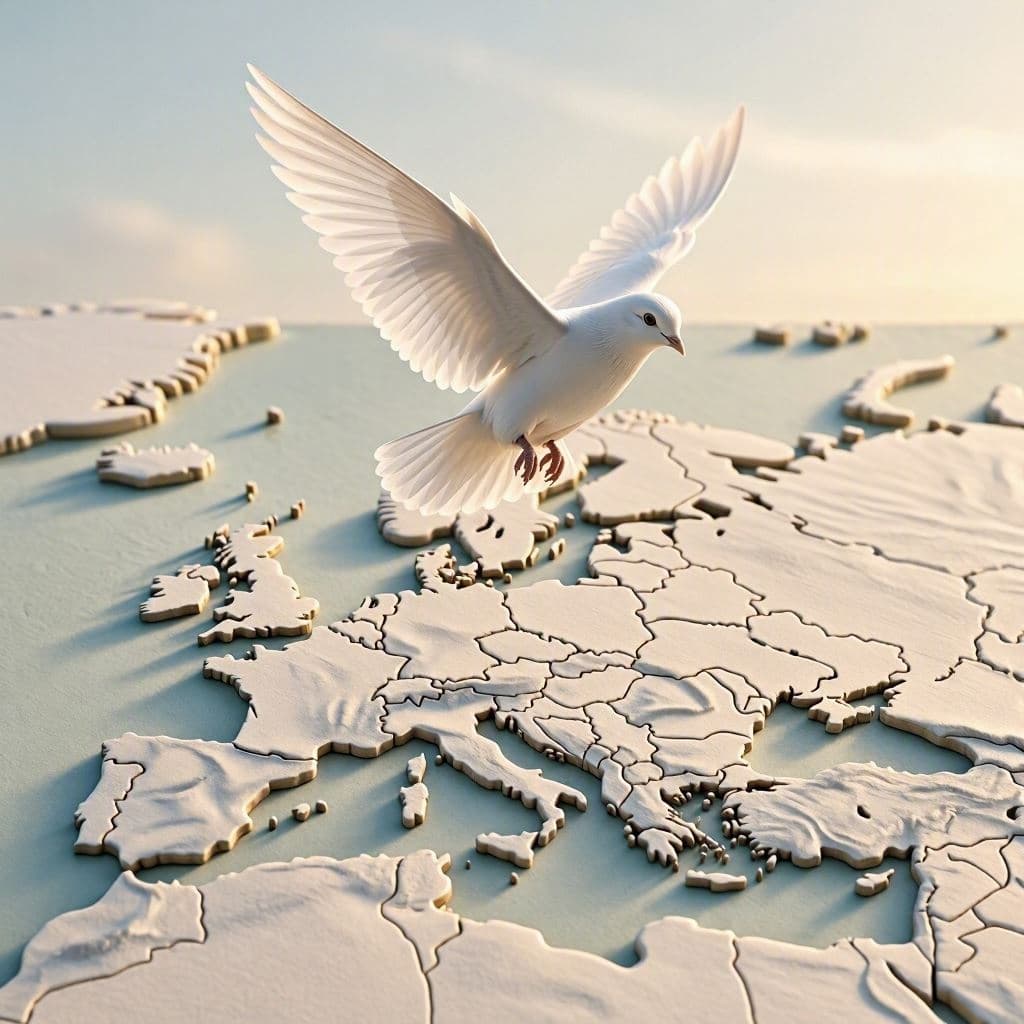
AI Image Disclaimer: The visual elements accompanying this report are AI-generated interpretations designed to reflect the solemn and diplomatic context of the story.
Sources: Vatican News Reuters America Magazine
Published by Banx Network. This article is part of the Banx decentralized media programme, powered by the BXE token on the XRP Ledger.


.jpg&w=3840&q=75 "EU Gambling Levy Omitted From Irish MFF Budget Draft, but Remains Under Discussion")