In an intensifying phase of the conflict, Ukrainian drones have reportedly targeted oil terminals in Leningrad Oblast, Russia, for the third night in a row. These strikes reflect a significant uptick in drone warfare as both sides adapt their strategies in the ongoing conflict.
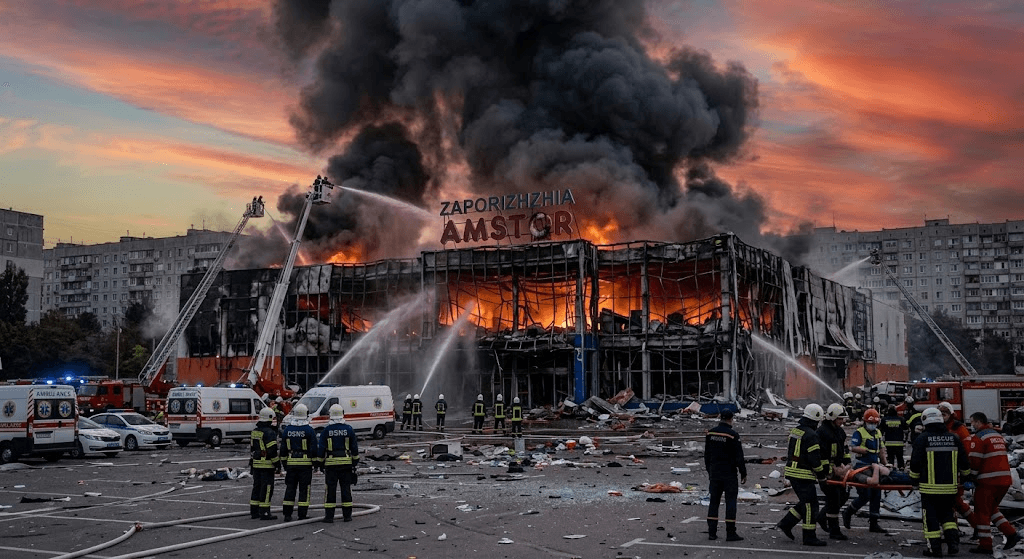
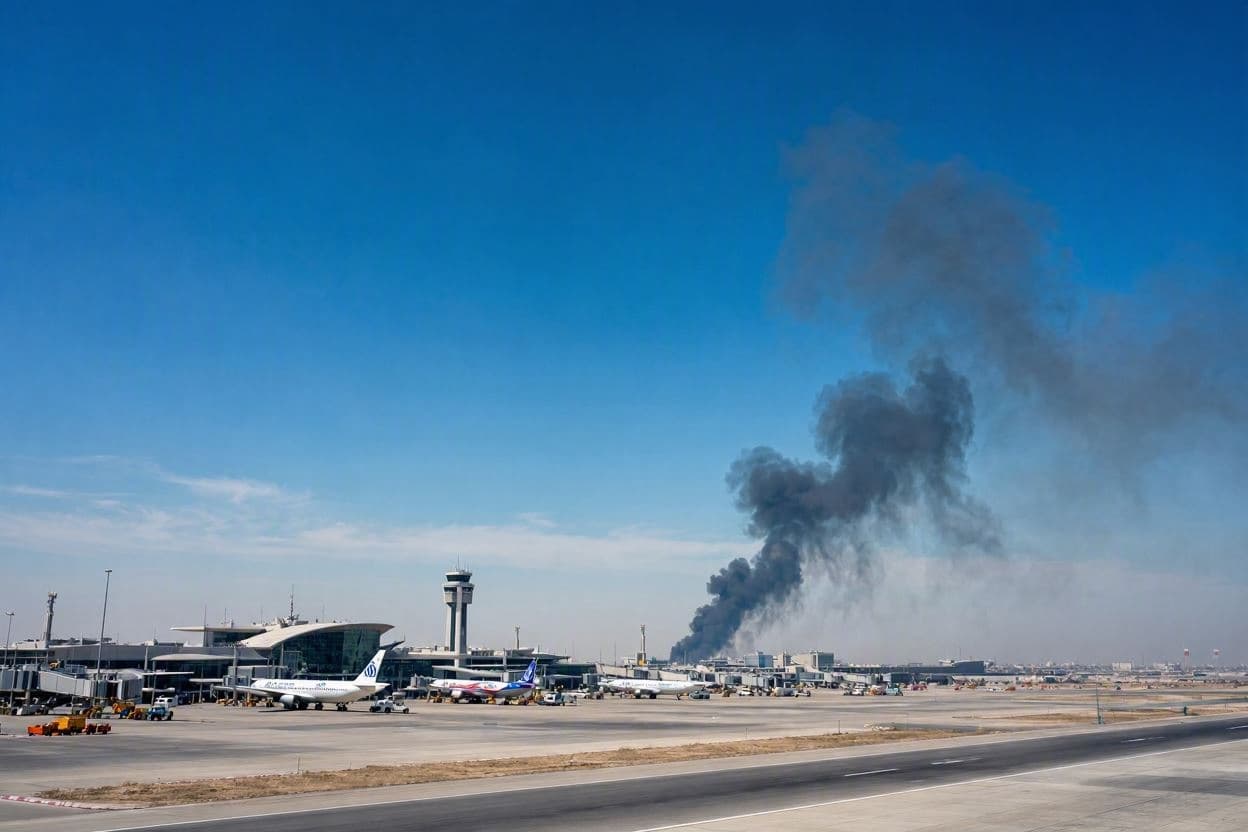
The attacks have been characterized by precise targeting, aiming at critical infrastructure that supports Russian military operations and logistics. Reports suggest that significant damage was inflicted on the facilities, with flames rising from the impacted areas as emergency services respond to manage the situation.
This escalation in drone strikes comes amid heightened tensions between Ukraine and Russia, as both nations continue to grapple with the ongoing fallout from the war that began in 2022. Ukrainian officials have hinted that these operations are part of a broader strategy to disrupt Russian supply lines and weaken military capabilities.
The Russian government has condemned these attacks, labeling them acts of aggression and emphasizing their commitment to defending national security. In response, Russia has ramped up its air defense measures in the region, seeking to protect vital infrastructure from further assaults.
As the situation unfolds, these developments highlight the evolving nature of the conflict, with drone warfare becoming a prominent aspect of military strategy. Analysts are closely monitoring the implications of these strikes for future operations on both sides and the potential for further escalations in hostilities.
The ongoing conflict, marked by such aggressive tactics, raises essential questions about regional security and the strategies nations may employ as the war presses on, reflecting a grim reality of modern warfare.
Published by Banx Network. This article is part of the Banx decentralized media programme, powered by the BXE token on the XRP Ledger.