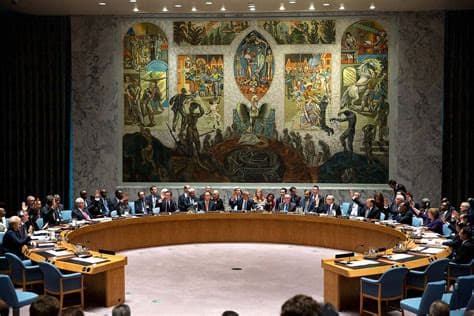
In light of the escalating conflict and continued aggression in Ukraine, officials have formally urged the United Nations to reconsider Russia’s position as a permanent member of the Security Council. This call comes amid widespread condemnation of Russia’s actions, which Ukraine and its allies argue are flagrant violations of international law and sovereignty.
Ukraine's proposal highlights a growing frustration with what many perceive as a failure of the UN Security Council to uphold its primary mission of maintaining international peace and security. Ukrainian leaders argue that Russia's military interventions and actions in Ukraine undermine the UN’s credibility and effectiveness.
Support for Ukraine’s call has gained traction among various international leaders and organizations, increasing diplomatic pressure on the UN to address the legitimacy of Russia's role in global governance. Discussions have begun regarding potential reforms to the Security Council, with some advocating for a re-evaluation of the powers granted to permanent members.
The implications of such a move would be profound, potentially altering the dynamics within the Security Council and redefining international relations. It raises fundamental questions about the structure of global governance and the power dynamics that have shaped it since the end of World War II.
As the situation develops, Ukraine and its allies continue to seek not only accountability for Russian actions but also an overhaul of international systems that may no longer reflect the current geopolitical landscape. This call for reform serves as a rallying point for those advocating for a more equitable and just international order, where respect for sovereignty and human rights are universally upheld.
Published by Banx Network. This article is part of the Banx decentralized media programme, powered by the BXE token on the XRP Ledger.