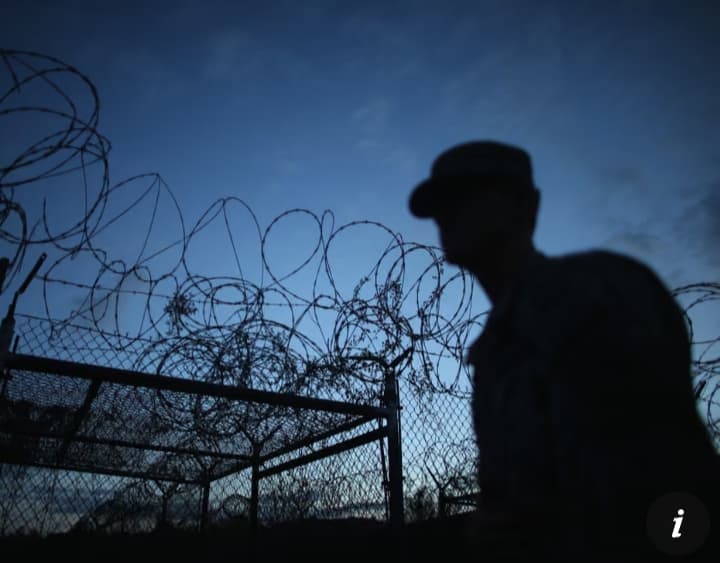
In a notable move, the UK government has agreed to pay a substantial sum to a former Guantánamo Bay detainee who endured severe torture during his detention. This financial settlement comes as a part of a broader acknowledgment of the injustices faced by individuals held under controversial circumstances following the September 11 attacks.
The detainee, whose identity has been kept confidential, was reportedly subjected to inhumane treatment, raising serious concerns about the UK’s involvement in these proceedings and its moral responsibilities. This settlement underscores the complexities surrounding accountability for actions taken during the War on Terror, with implications for both legal frameworks and public perceptions.
The decision to compensate the detainee has sparked discussions among human rights advocates, many of whom view it as a necessary step toward acknowledging the grave violations of human rights that occurred at Guantánamo Bay. Activists argue that financial compensation, while significant, is insufficient to rectify the lasting impact of torture and abuse faced by detainees.
Reaction from the government has been mixed, with some officials supporting the settlement as a means to address past wrongs, while others express concern about the implications for national security and the precedent it sets regarding the treatment of those held in custody for suspected terrorist activities. The UK has faced scrutiny for its ties to practices at Guantánamo Bay, with critics advocating for greater transparency and accountability.
As the ramifications of this settlement unfold, important questions remain about the adequacy of measures in place to prevent future abuse and ensure justice for all individuals subjected to torture. The settlement reflects an urgent need for a re-evaluation of policies governing detainee treatment and a commitment to upholding human rights standards.
Ultimately, this case serves as a reminder of the moral and ethical responsibilities that governments must consider when navigating the complexities of security and human rights. As discussions continue, it is clear that addressing the legacy of Guantánamo Bay will require ongoing dialogue and substantial action toward reform and accountability.
Published by Banx Network. This article is part of the Banx decentralized media programme, powered by the BXE token on the XRP Ledger.