
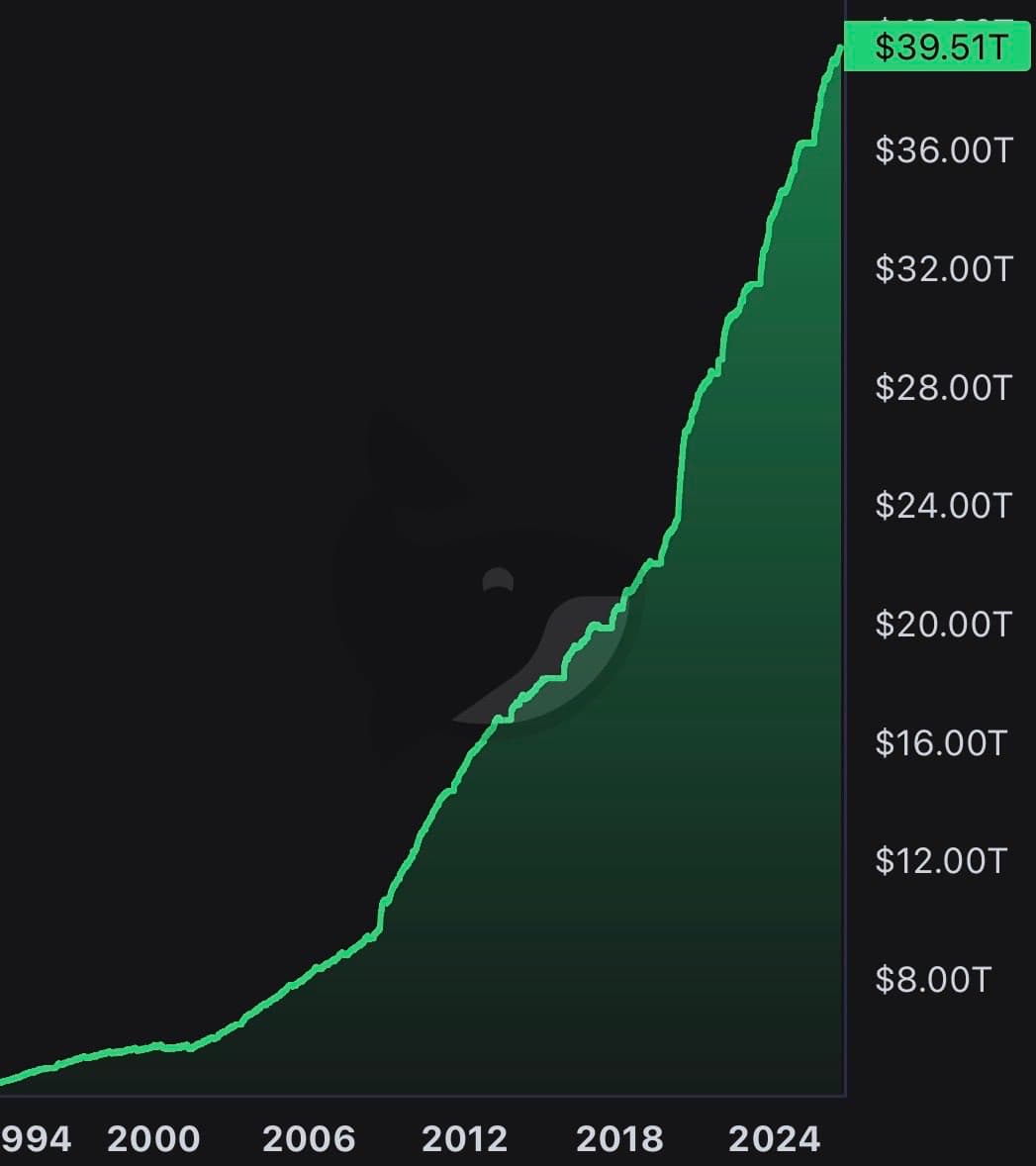
The United States national debt is approaching the $37 trillion mark, underscoring the scale of the country's long-term fiscal challenges. The debt has expanded significantly over the past two decades as federal spending has outpaced revenue, driven by economic stimulus programs, defense expenditures, healthcare obligations, and rising interest costs. Federal borrowing increased sharply during periods of economic disruption, including the global financial crisis and the COVID-19 pandemic. While these measures helped support economic activity, they also contributed to a substantial increase in the government's overall debt burden. Today, the Treasury continues to finance budget deficits through the issuance of government securities purchased by domestic and international investors. One of the fastest-growing expenses facing the federal government is interest on the debt itself. As interest rates have risen from historically low levels, the cost of servicing existing obligations has increased. Economists warn that higher interest expenses can limit fiscal flexibility by consuming a larger share of government resources that could otherwise be allocated toward infrastructure, education, healthcare, or national security priorities. Supporters of continued government spending argue that strategic investments can stimulate economic growth and improve long-term productivity. Critics, however, contend that persistent deficits increase financial risks and place additional burdens on future generations. The debate remains a central issue in Washington as lawmakers consider tax policy, spending priorities, and deficit reduction measures. The size of the debt does not necessarily indicate an immediate financial crisis, as the United States continues to benefit from the dollar's status as the world's primary reserve currency. Nevertheless, investors, policymakers, and credit-rating agencies closely monitor fiscal trends to assess long-term sustainability. With borrowing expected to remain elevated in the coming years, the national debt is likely to remain a major topic in economic and political discussions. Decisions made by Congress and future administrations will play a critical role in determining the country's fiscal trajectory.
Published by Banx Network. This article is part of the Banx decentralized media programme, powered by the BXE token on the XRP Ledger.



