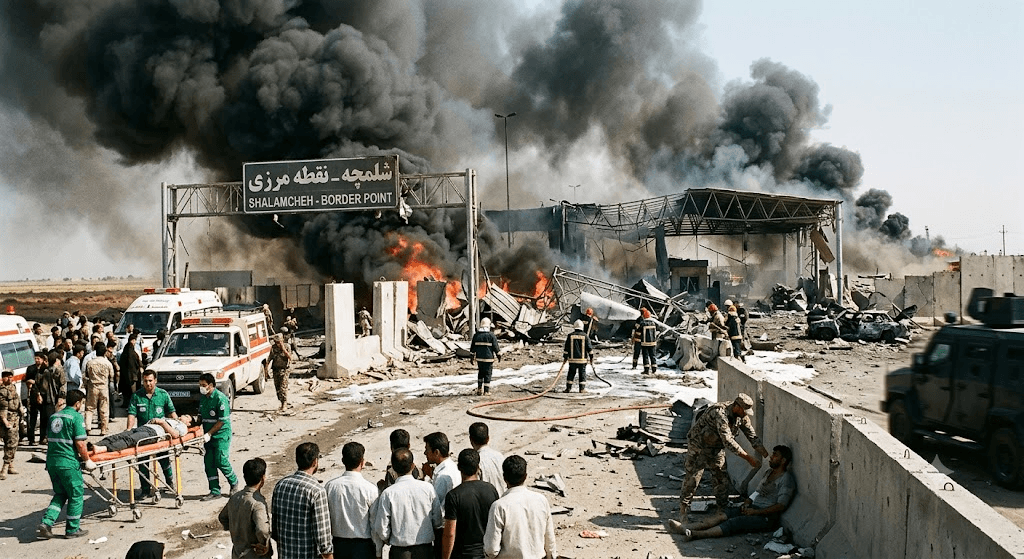
KHUZESTAN PROVINCE, Iran — In a major escalation of the ongoing regional conflict, a U.S. missile strike targeted the highly strategic Shalamcheh international border crossing between Iran and Iraq early Thursday morning, July 23, 2026. The precision strike killed two people and left 11 others wounded, shattering a vital gateway for trade and religious pilgrimage.
The attack marks the 12th consecutive night of U.S. military operations inside Iran, pushing the Middle East deeper into a high-stakes, volatile confrontation that is already sending shockwaves through the global economy.
According to reports from Iran’s state media and Valiollah Hayati, the deputy governor for security and law enforcement in Khuzestan province, the U.S. missile struck near the main passenger terminal at the Shalamcheh crossing.
Shalamcheh is a crucial land artery connecting southwest Iran to Iraq. Historically, it serves as a central hub for bilateral trade and is traversed daily by thousands of Shia Muslim pilgrims journeying to the holy city of Karbala.
The passenger terminal area bore the brunt of the impact. While initial security assessments reported no casualties, updated numbers from regional health authorities later confirmed two fatalities and 11 injuries among those at the crossing. Local reports indicate that the blast caused substantial damage to civilian transit facilities.
The strike at Shalamcheh was not isolated. Iranian state media noted that the barrage was part of a broader midnight wave hitting southwestern and southern Iran, with secondary American missile strikes reported near the city of Andimeshk and the port city of Bushehr.
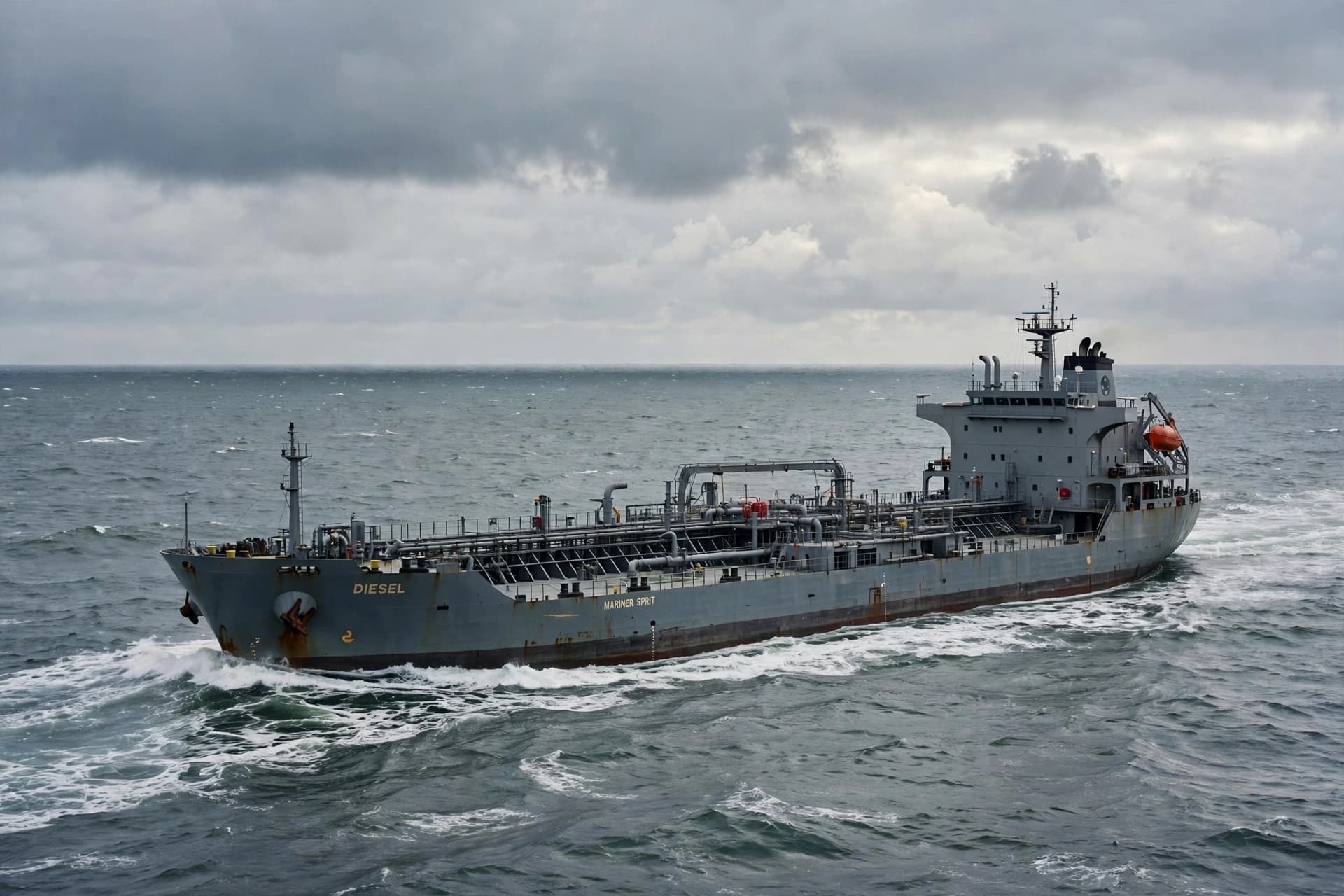
U.S. Central Command (CENTCOM) defended the persistent air campaign, stating that operations will continue to degrade Iran's capability to threaten civilian mariners, commercial vessels, and allied forces in regional waters.
To neutralize what Washington defines as operational threats, the U.S. offensive is conducting pinpoint strikes on Iranian drone and missile silos, logistics hubs, and manufacturing centers. The campaign also aims to degrade maritime surveillance infrastructure used to track commercial vessels. Furthermore, these operations maintain a retaliatory posture, responding directly to Iranian drone and missile strikes launched against U.S. military assets and regional partners in Jordan, Bahrain, and Kuwait.
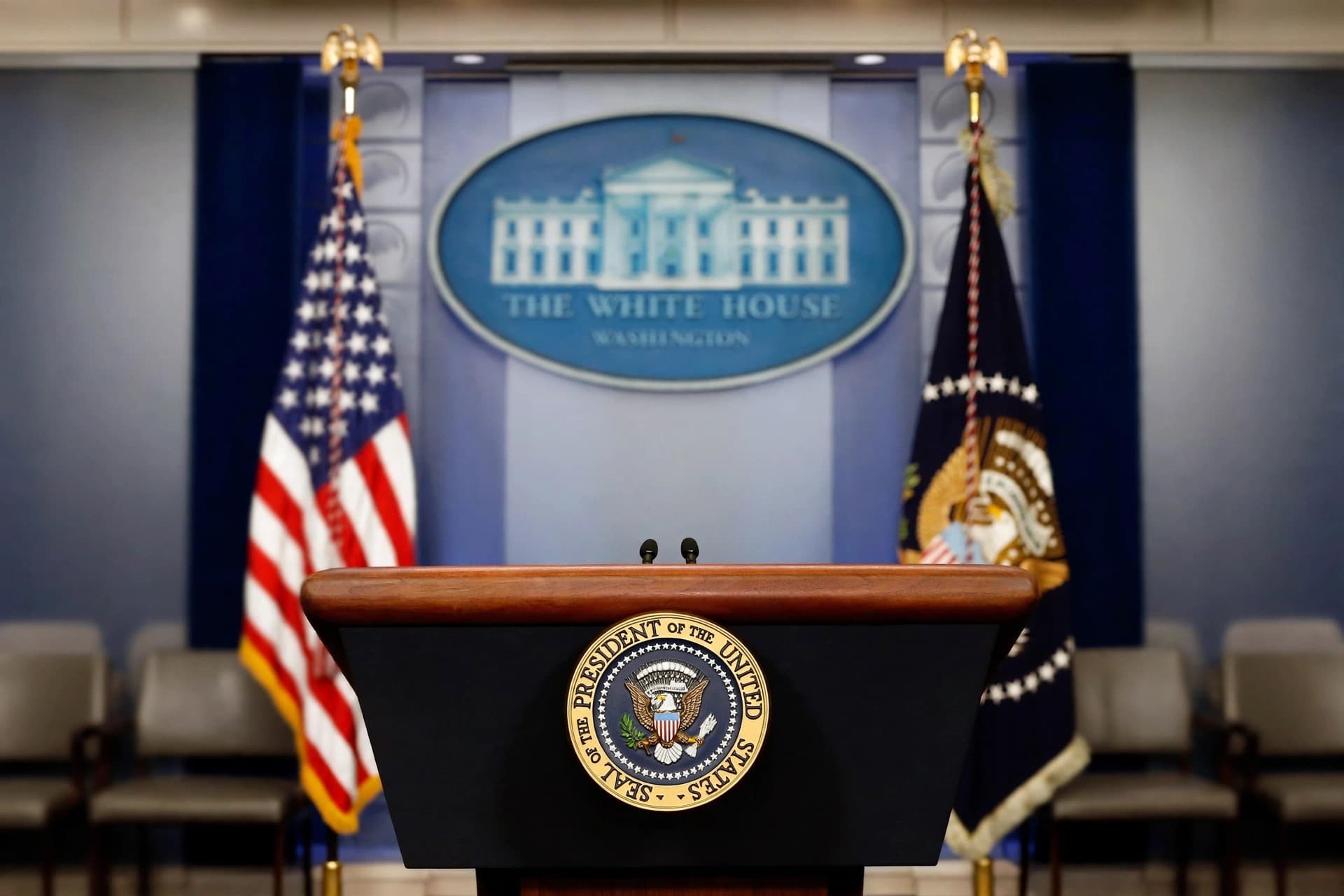
The political backdrop in Washington remains incredibly tense. On Wednesday, the U.S. President traveled to Dover Air Force Base to receive the remains of four U.S. service members killed in recent Iranian counter-attacks on regional military bases. The Pentagon reported that it has spent over $37 billion on the conflict so far, with domestic fuel prices climbing ahead of the fall elections.
Tehran has fiercely condemned the strikes, labeling the United States a "terrorist enemy". Iranian Foreign Minister Seyed Abbas Araghchi responded to the wave of infrastructure attacks by declaring an "eye for an eye" doctrine.
"Any aggression against Iran, including our infrastructure, will compel a powerful and decisive response," Araghchi posted on X.
Despite Washington's claims of heavy degradation to Iran's military apparatus, Tehran continues to prove it retains potent defensive and offensive capabilities. Over the past week, Iran-backed factions have struck energy facilities in neighboring Gulf states, while Yemen's Houthi rebels have targeted Saudi oil tankers in the Red Sea, threatening yet another vital trade chokepoint.
As the cross-border strikes intensify, the conflict is crippling global trade infrastructure. With the Strait of Hormuz effectively closed—a passage that handles roughly a fifth of the world’s traded oil and gas in peacetime—the economic collateral damage is mounting rapidly.
The World Bank issued a stark warning following Thursday's border strike, noting that if the U.S.-Iran conflict continues to prolong, global economic growth could plummet to a mere 1.3%—down sharply from 2.9% just a year prior.
As smoke clears at the Shalamcheh crossing, diplomatic channels appear entirely frozen. With both Washington and Tehran locked into cycles of kinetic retaliation, the strike on the Iran-Iraq border signals a dangerous new normal where even civilian transit arteries are no longer safe from the crossfire.
Published by Banx Network. This article is part of the Banx decentralized media programme, powered by the BXE token on the XRP Ledger.