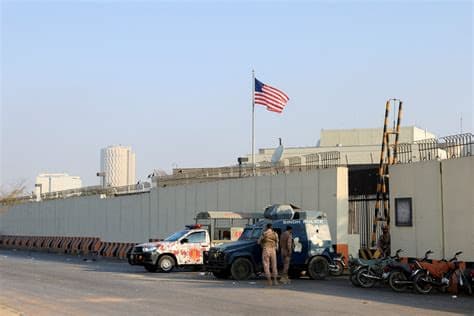
On March 3, 2026, a chaotic situation unfolded at the U.S. Consulate in Karachi as U.S. Marines fired on protesters who were attempting to breach the compound. Reports indicate that the incident occurred during a large demonstration against U.S. foreign policy, leading to a volatile confrontation with security personnel.
Several protesters sustained injuries as security forces responded to what they perceived as an imminent threat to the consulate. Eyewitnesses claim that the demonstration turned violent when a portion of the crowd attempted to breach the consulate’s gates, prompting the Marines to take defensive action.
Local authorities confirmed the incident, stating that the decision to open fire was made to protect both personnel and the integrity of the diplomatic mission. An official statement emphasized the importance of safeguarding embassies and consulates globally, particularly during times of heightened tensions.
The U.S. State Department condemned the violence while reaffirming its commitment to protect diplomats and keep diplomatic missions secure. They urged local law enforcement to investigate the circumstances surrounding the protest and enhance security measures to prevent future incidents.
This violent outbreak is a continuation of escalating anti-U.S. sentiments in many regions, driven by ongoing conflicts and perceived injustices. The incident in Karachi has prompted discussions about the safety and security of foreign missions, especially in volatile areas.
International reactions have varied, with some criticizing the use of force against protesters and calling for accountability. This event highlights the delicate balance between maintaining security for diplomatic personnel and upholding the right to peaceful assembly.
As investigations continue, the situation serves as a reminder of the challenges faced by diplomatic entities in areas of political unrest. The need for dialogue and de-escalation is crucial to restoring calm and ensuring the safety of both protesters and security personnel in the region.
Published by Banx Network. This article is part of the Banx decentralized media programme, powered by the BXE token on the XRP Ledger.