Key Highlights
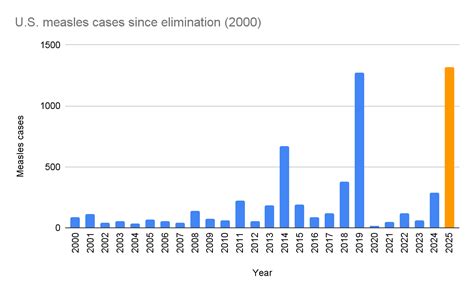
- U.S. Status: The United States has lost its measles elimination status after 26 years.
- PAHO Findings:The Pan American Health Organization found sustained transmission lasting over 12 months.
- Mexico Review:The outcome of Mexico's review has not yet been made public.
The United States has officially lost its measles elimination status, a designation it had maintained since the year 2000. This significant public health development was confirmed by the Pan American Health Organization (PAHO), which reported that the U.S. experienced sustained transmission of the measles virus for more than 12 months. This change in status highlights the ongoing challenges faced by public health officials in controlling vaccine-preventable diseases.
The PAHO's assessment focused on whether outbreaks in the U.S. reflected uninterrupted circulation of the same virus lineage. According to PAHO, the criteria for maintaining elimination status include the cessation of endemic transmission. While occasional imported cases of measles do not automatically result in a loss of this status, the sustained transmission observed in the U.S. has raised concerns about vaccination rates and public health strategies.
The implications of losing measles elimination status are profound. Measles is a highly contagious disease that can lead to severe health complications, including pneumonia, encephalitis, and even death. The U.S. had been a model for measles elimination, but recent years have seen a decline in vaccination rates, attributed to various factors including misinformation about vaccine safety and access issues.
In conjunction with the U.S. review, Mexico's measles status was also evaluated by PAHO. However, the outcome of Mexico's assessment has not yet been publicly disclosed. This lack of information raises questions about the current state of measles control in Mexico, especially as both countries navigate the challenges posed by vaccine hesitancy and public health messaging.
As health officials work to address these issues, the focus will likely shift toward increasing vaccination coverage and public awareness campaigns. The loss of elimination status serves as a critical reminder of the importance of maintaining high vaccination rates to protect communities from outbreaks of vaccine-preventable diseases.
The situation underscores the need for continued vigilance and proactive measures in public health to prevent the resurgence of diseases that were once under control. As the U.S. and Mexico face these challenges, collaboration and information sharing will be essential in restoring and maintaining measles elimination status in the future.
Published by Banx Network. This article is part of the Banx decentralized media programme, powered by the BXE token on the XRP Ledger.