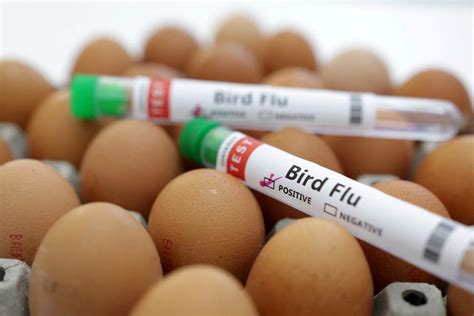
Key Highlights
- H5N1 bird flu is spreading among dairy cattle and poultry in the U.S.
- At least one human death linked to the virus has been reported in Washington state.
- Public health officials are monitoring the situation for potential human transmission risks.
The ongoing outbreak of H5N1 bird flu among dairy cattle and poultry in the United States has raised significant concerns among public health experts. The virus, which has been primarily associated with avian species, has now been detected in livestock, prompting fears of a broader impact on both animal and human health. As of now, at least one human death has been confirmed in Washington state, highlighting the potential severity of the situation.
Health officials are particularly concerned about the possibility of the H5N1 virus mixing with seasonal flu viruses. This genetic exchange could occur if both viruses infect the same individual, potentially leading to new strains that could spread more easily among humans. While the Centers for Disease Control and Prevention (CDC) has stated that there is currently no evidence of sustained human-to-human transmission, the situation remains fluid, and experts are closely monitoring developments.
The CDC has classified the public health risk from H5N1 as low at this time, but the agency is urging vigilance. Farmworkers and those in close contact with infected animals are advised to take precautions to minimize their risk of exposure. The full extent of infections among farmworkers is still being assessed, and officials are working to ensure that any potential cases are identified and managed promptly.
In addition to the immediate health concerns, the economic implications of the bird flu outbreak are also significant. Poultry and dairy farmers are facing potential losses as the virus spreads, which could lead to increased prices for consumers and disruptions in the food supply chain. The agricultural sector is on high alert, with many farms implementing biosecurity measures to prevent further spread of the virus.
As the situation evolves, public health officials are emphasizing the importance of vaccination and monitoring for flu-like symptoms among those who work with livestock. The CDC continues to provide updates and guidance to help mitigate the risks associated with this outbreak.
In summary, while the current risk to the general public remains low, the emergence of H5N1 in U.S. farms is a reminder of the interconnectedness of animal and human health. Ongoing surveillance and research will be crucial in understanding the full impact of this outbreak and preventing future pandemics.
Published by Banx Network. This article is part of the Banx decentralized media programme, powered by the BXE token on the XRP Ledger.