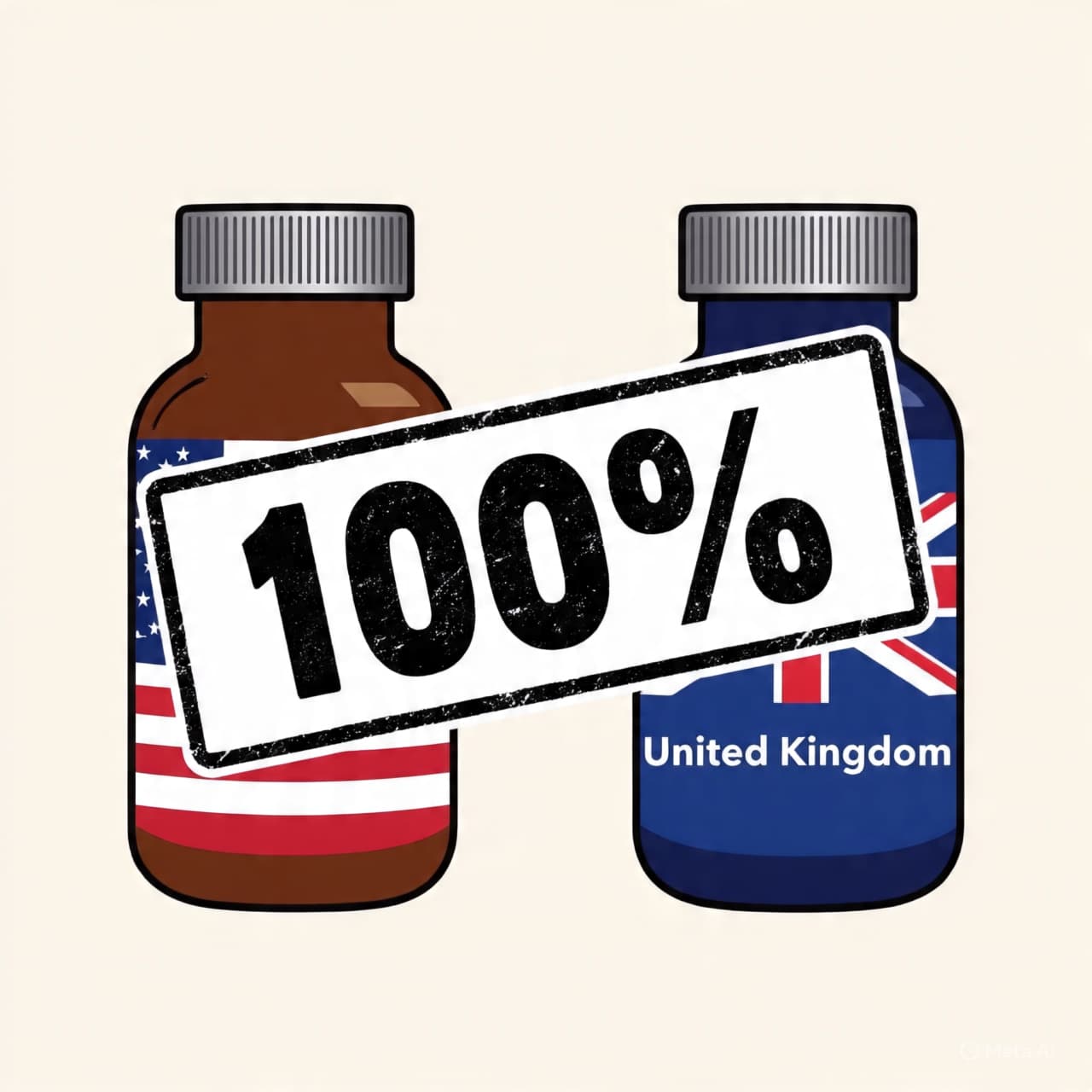
Britain’s pharmaceutical exports could soon face steep hurdles as the United States considers imposing tariffs of up to 100% on medicines. The proposal, part of broader trade policy deliberations, has raised concerns across the health and business sectors. Pharmaceuticals represent one of Britain’s most valuable export categories, supplying critical drugs to U.S. hospitals, pharmacies, and distributors. A doubling of tariffs would likely inflate costs, disrupt supply chains, and strain relations between two of the world’s closest trading partners. Industry observers caution that such tariffs could make American healthcare more expensive, given the high reliance on imported medicines. At the same time, U.K. manufacturers may lose competitiveness in their largest overseas market, threatening jobs and investment at home. Trade experts emphasize that tariffs in sensitive sectors like pharmaceuticals carry far-reaching consequences beyond economics. Delays or price increases in medicine availability directly impact patients, a factor that makes this policy area particularly delicate. While no final decision has been implemented, the very suggestion of 100% tariffs has triggered discussions about contingency planning. Some U.S. healthcare providers are already exploring alternative sourcing strategies, while British firms are lobbying for diplomatic solutions. The episode reflects the complexity of modern trade disputes, where economic strategies intersect with public health imperatives. How both nations navigate the issue may set the tone for future cross-Atlantic cooperation.
This article is based on reporting from Financial Times, Reuters, and BBC News.
Published by Banx Network. This article is part of the Banx decentralized media programme, powered by the BXE token on the XRP Ledger.