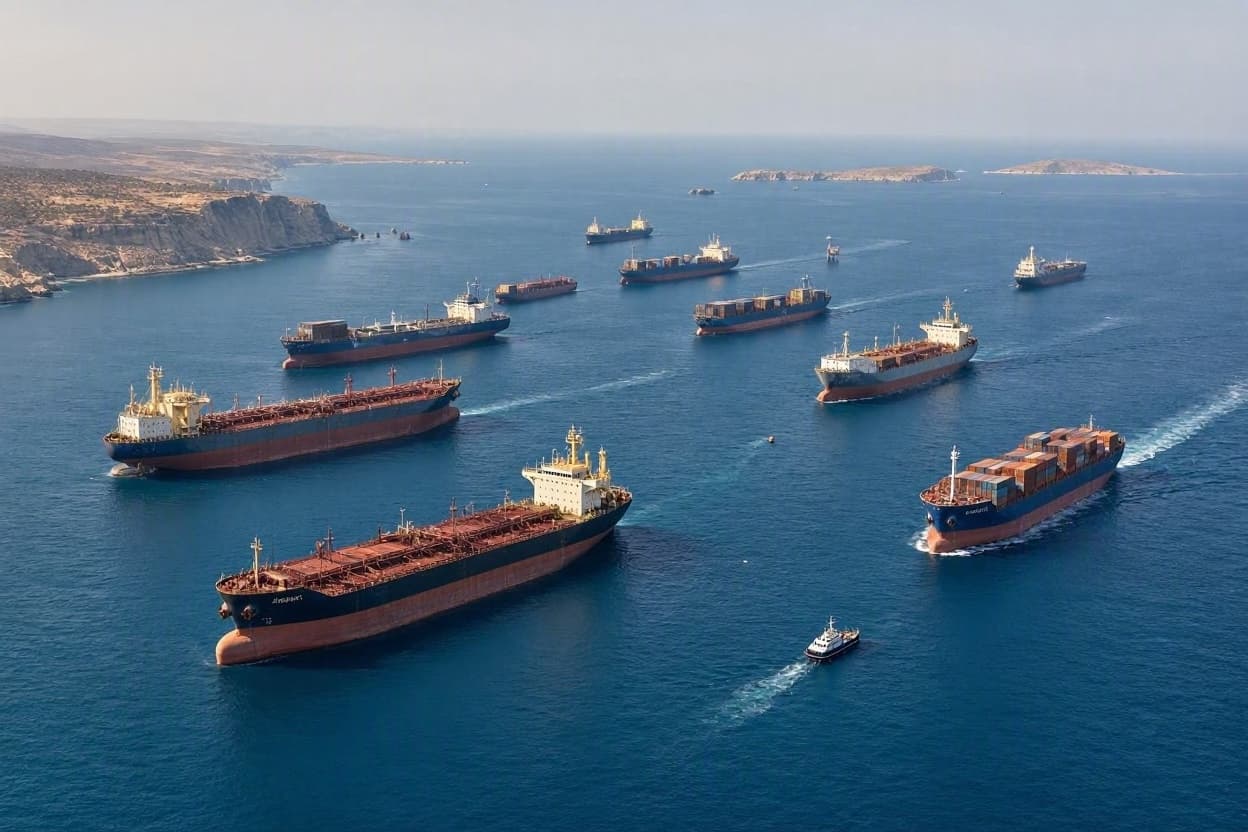
In the narrow waters of the Strait of Hormuz, where a significant portion of the world’s oil passes daily, a quiet but significant operation is underway. The United States military has been conducting a stealth mission to facilitate the safe transit of commercial oil tankers through the strategic chokepoint. This effort, described by former President Donald Trump as a "wildly successful" secret initiative, aims to counter Iranian threats and ensure the free flow of energy resources vital to the global economy.
The operation involves the use of advanced technology, including underwater drones and aerial surveillance, to clear paths and monitor potential threats. By guiding convoys through safe corridors, the U.S. Navy helps commercial vessels navigate the tense waters without direct confrontation. This approach allows for the maintenance of trade flows while minimizing the risk of escalation into open conflict. It is a delicate balance of deterrence and diplomacy, executed beneath the surface of public awareness.
President Trump’s revelation of the mission highlights the strategic importance of the Strait of Hormuz. Control over this waterway is a key lever in regional power dynamics, and the U.S. presence serves as a guarantee of stability for allied nations and global markets. The success of the operation, measured in millions of barrels of oil transported safely, underscores the effectiveness of unconventional military tactics in achieving political objectives.
However, the secrecy surrounding the mission has raised questions among analysts and allies. Some argue that transparency is necessary for democratic accountability, while others contend that operational security is paramount in such sensitive environments. The debate reflects the broader tension between the need for decisive action and the principles of open governance. For the administration, the results speak for themselves, even if the methods remain classified.
Iran has viewed the U.S. presence with suspicion, accusing Washington of violating international law and provoking instability. Tehran’s rhetoric suggests that any attempt to bypass its influence in the Strait will be met with resistance. Yet, the steady flow of tankers indicates that the U.S. strategy is currently holding firm. The standoff continues, but the immediate threat to shipping has been mitigated.
For the global economy, the assurance of oil transit is crucial. Any disruption in the Strait of Hormuz could lead to skyrocketing prices and supply chain disruptions, affecting nations far from the Middle East. The U.S. operation thus serves not just a regional security function but a global economic one. It is a reminder of how interconnected the world’s energy systems are and the role of military power in maintaining them.
As the mission continues, its long-term implications remain to be seen. Will it lead to a de-escalation of tensions, or merely a temporary pause in hostilities? The answer depends on the broader diplomatic context and the willingness of all parties to engage in dialogue. For now, the ships pass through, guided by invisible hands, carrying the lifeblood of the modern world.
In the end, the stealth operation is a testament to the complexity of modern warfare and diplomacy. It shows that power is not always exercised through loud declarations but often through quiet, precise actions. For the U.S., it is a way to assert influence and protect interests without firing a shot. For the world, it is a guarantee that the lights stay on and the engines keep running.
AI Image Disclaimer: Images accompanying this report are AI-generated artistic interpretations of maritime scenes and naval technology, intended to visualize the context of the operation without depicting real classified equipment or specific military personnel.
Sources: CNBC, The Guardian, Axios, Wall Street JournalAkun 10
Published by Banx Network. This article is part of the Banx decentralized media programme, powered by the BXE token on the XRP Ledger.