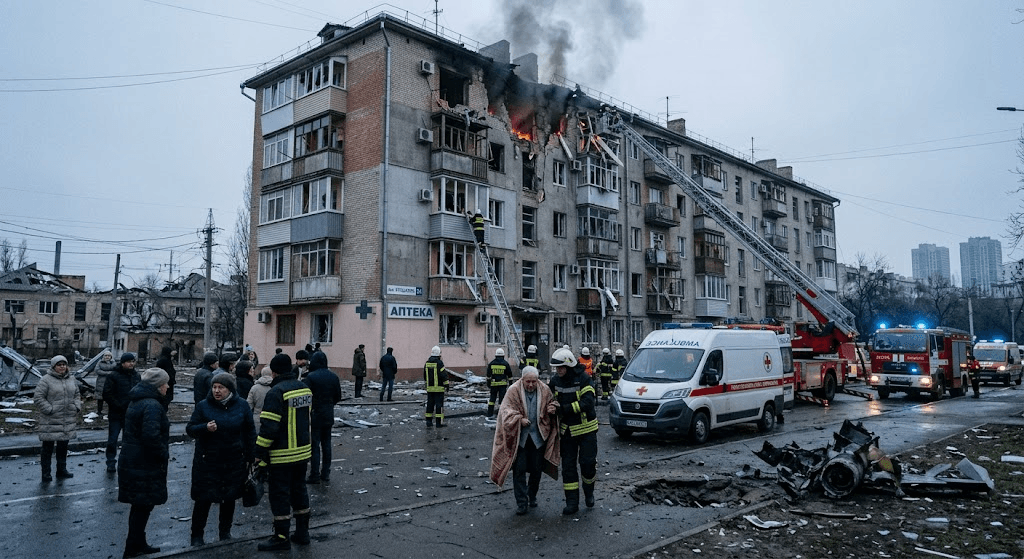
The skies over Japan turned a bruised purple as Typhoon Dujuan unleashed its fury upon the archipelago, bringing with it record-breaking rainfall and devastating winds. The storm, which made landfall on the eastern coast, has left a trail of destruction, claiming at least five lives and leaving several others missing. Landslides triggered by the torrential downpours buried homes and blocked roads, turning familiar landscapes into scenes of chaos. It is a stark reminder of nature’s power and the vulnerability of human settlements in the face of extreme weather.
Record rainfall was recorded in several prefectures, with some areas receiving over 800 millimeters of rain in a single day. The sheer volume of water overwhelmed drainage systems and riverbanks, leading to widespread flooding. Emergency services worked tirelessly to evacuate residents from low-lying areas, saving countless lives through swift action. Heroism is often found in the quiet diligence of first responders.
The five confirmed deaths serve as a somber tally of the storm’s impact. Victims included individuals caught in landslides and those trapped in flooded vehicles. Each life lost represents a family’s grief and a community’s sorrow. The human cost of natural disasters is immeasurable, extending beyond statistics to touch the heart of society. Grief is a shared burden.
Six people remain missing, their fates unknown amidst the debris and mud. Search and rescue operations continue, driven by hope and determination. Volunteers and professionals alike comb through affected areas, looking for any sign of life. In times of crisis, compassion becomes the guiding light. Hope persists in the darkest hours.
Infrastructure damage has been significant, with power outages affecting thousands of households. Transportation networks were disrupted, canceling flights and halting trains. The economic impact will be felt in the coming weeks as businesses assess losses and begin repairs. Resilience is tested in the aftermath.
Climate scientists note that the intensity of Typhoon Dujuan aligns with trends linked to global warming. Warmer ocean temperatures fuel stronger storms, making such events more frequent and severe. This reality underscores the urgent need for climate action and adaptation strategies. The planet speaks through its weather.
Community response has been one of solidarity and support. Neighbors help neighbors clear debris, and local organizations provide shelter and food. These acts of kindness highlight the strength of social bonds in times of adversity. Unity is the anchor in the storm.
In the end, Typhoon Dujuan leaves behind a landscape of challenge and opportunity. As Japan begins the process of recovery, the focus shifts to rebuilding stronger and smarter. The lessons learned from this disaster will inform future preparedness. Nature demands respect, and we must listen.
AI Image Disclaimer: The images accompanying this article are AI-generated artistic interpretations of storm scenes and emergency response efforts, not actual photographs of specific flood zones or victims of Typhoon Dujuan.
Sources: The Guardian Euronews Anadolu Agency
Published by Banx Network. This article is part of the Banx decentralized media programme, powered by the BXE token on the XRP Ledger.