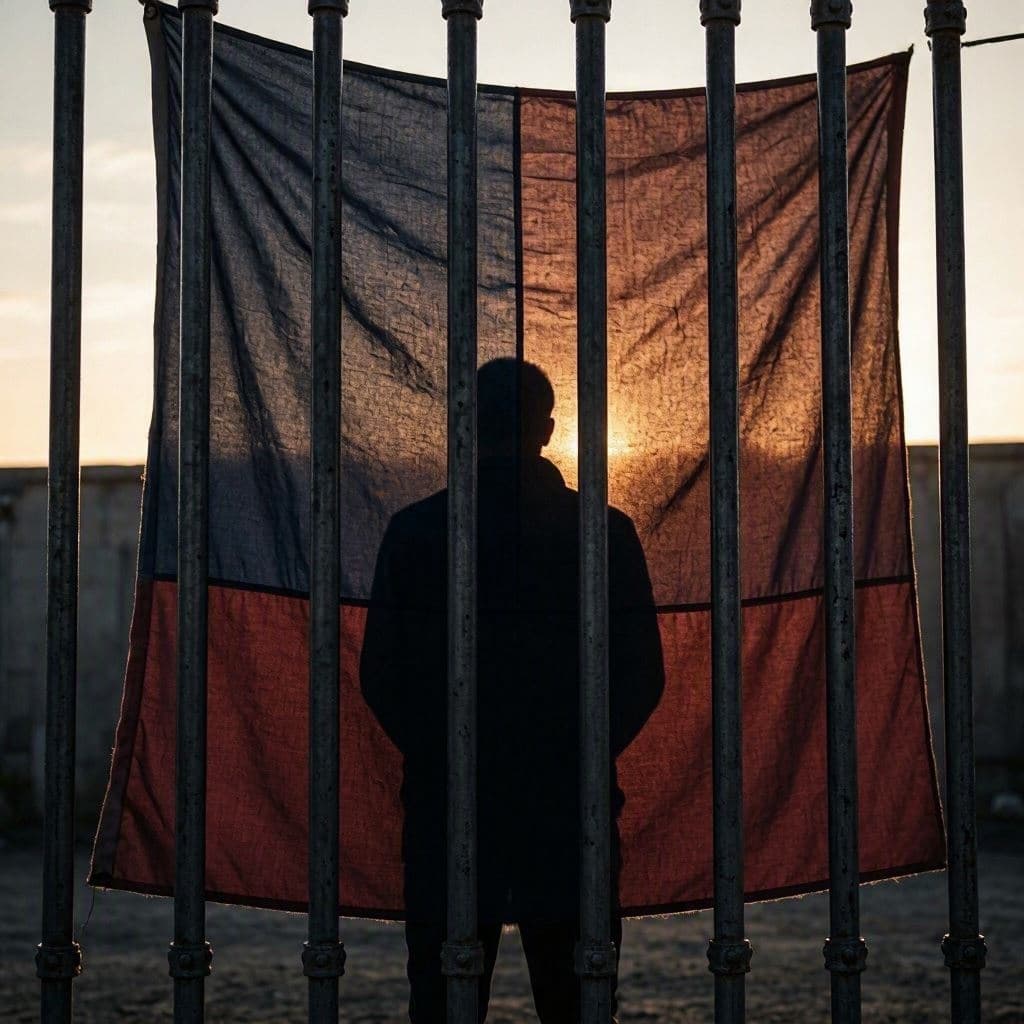
In the bustling capital of Seoul, where tradition and modernity intersect, the legal system recently delivered a verdict that resonates beyond the courtroom. Hak Ja Han, the leader of the Unification Church, has been sentenced to two years in prison. This decision marks a significant chapter in the ongoing scrutiny of religious organizations in South Korea, reflecting a societal demand for transparency and accountability in institutions that wield considerable influence.
The charges leading to this sentence involved financial irregularities and breach of trust, issues that have plagued the organization for years. For followers, the news is a source of confusion and distress, challenging their faith and loyalty. For critics, it is a validation of long-held concerns about the governance and opacity of large religious entities. The verdict serves as a reminder that no institution is above the law.
Hak Ja Han’s role in the church has been central since the passing of her husband, founder Sun Myung Moon. Her leadership has been marked by both expansion and controversy, navigating a complex landscape of international diplomacy and domestic criticism. The sentence underscores the legal risks associated with managing vast assets and memberships without rigorous oversight.
The court’s decision was based on evidence of embezzlement and misuse of funds, highlighting the importance of financial integrity in non-profit and religious sectors. It sends a clear message that charitable status does not exempt organizations from standard legal obligations. This precedent may encourage other groups to review their own practices and ensure compliance.
For the public, the case offers a glimpse into the inner workings of one of Korea’s most prominent religious movements. It sparks discussions about the balance between religious freedom and regulatory oversight. How much scrutiny is appropriate? Where does belief end and fraud begin? These are questions that societies around the world continue to grapple with.
Supporters of the church have expressed disappointment, viewing the sentence as politically motivated or overly harsh. They argue that the organization’s charitable contributions and social programs should be considered in mitigation. However, the court focused on the specific legal violations, maintaining that justice must be blind to status or influence.
As Hak Ja Han begins her sentence, the Unification Church faces a period of transition and reflection. The future of the organization will depend on its ability to rebuild trust and adapt to a more transparent model of leadership. The verdict is not an end but a pivot point, urging a reevaluation of values and practices.
A Seoul court has sentenced Unification Church leader Hak Ja Han to two years in prison for financial crimes. The verdict highlights increasing legal scrutiny of religious organizations in South Korea and emphasizes the need for financial accountability.
AI Image Disclaimer: Visuals accompanying this report are AI-generated and intended to provide contextual imagery rather than depict specific real-world events.
Sources: Yonhap News Agency The Korea Herald BBC News
Published by Banx Network. This article is part of the Banx decentralized media programme, powered by the BXE token on the XRP Ledger.